Commercial Roofing • McAllen TX
Commercial Modified Bitumen Roofing McAllen for Multi-Family Properties, Apartments, and Low-Slope Commercial Buildings
Commercial Modified Bitumen Roofing McAllen is one of the most practical roofing systems for low-slope buildings that need durability, repairability, and strong waterproof performance. In the Rio Grande Valley, modified bitumen is often a smart fit for apartment complexes, multi-family buildings, office properties, community centers, churches, schools, and other commercial structures where roof performance must be managed over time rather than treated as a one-time decision.
At Marva Roofing, we look at Commercial Modified Bitumen Roofing McAllen from a property-management perspective. That means we evaluate more than the surface membrane. We look at drainage, insulation condition, seam integrity, flashing transitions, ponding tendencies, rooftop penetrations, maintenance history, and whether the roof is a good repair candidate or moving closer to replacement. For multi-family owners and managers, that kind of clarity matters because roofing decisions affect tenant satisfaction, operating budgets, insurance documentation, and long-term capital planning.
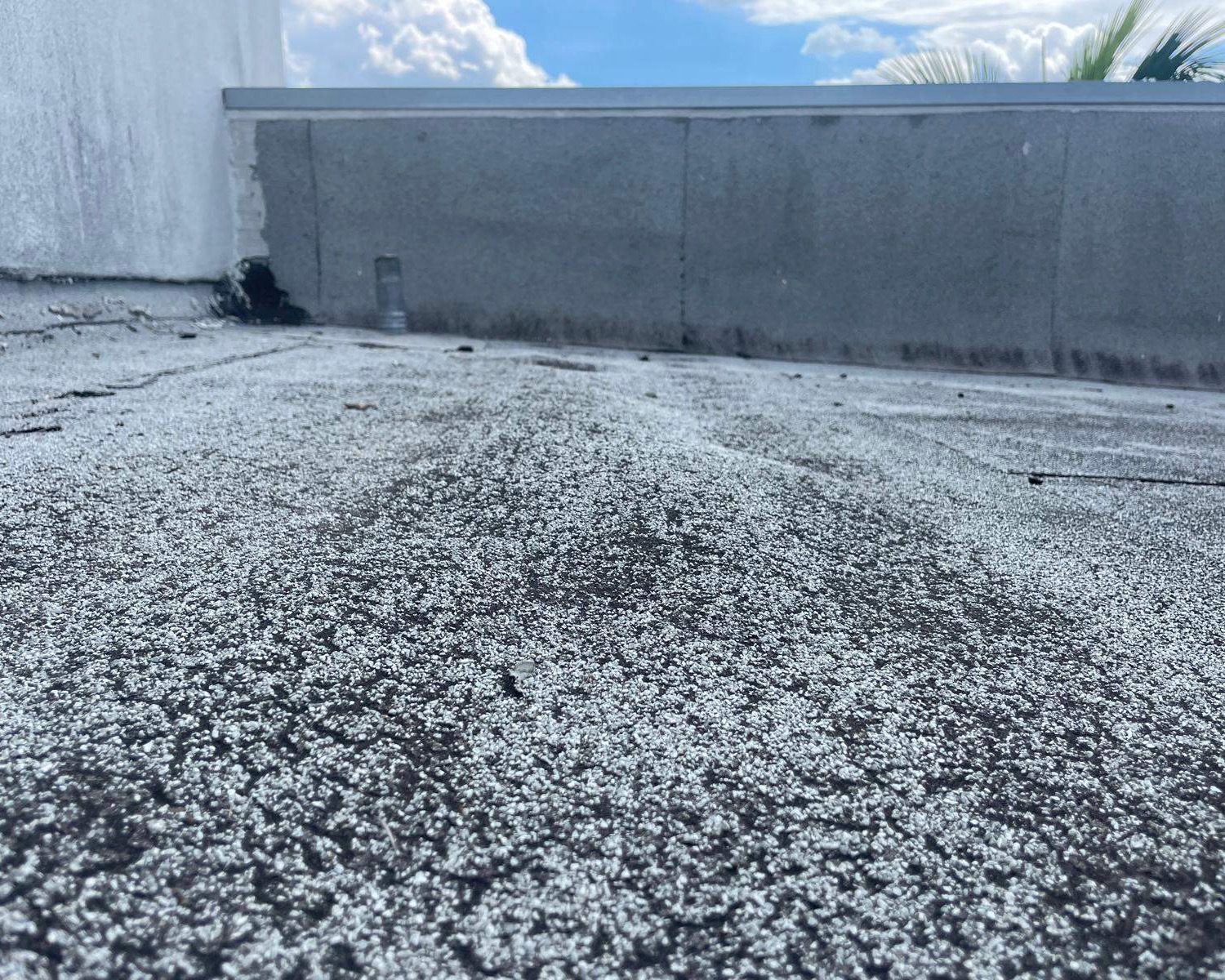
Table of Contents
Commercial Modified Bitumen Roofing McAllen Guide
- What Commercial Modified Bitumen Roofing Means for McAllen Properties
- Why Multi-Family Properties Often Use Modified Bitumen
- How Modified Bitumen Roofing Systems Work
- Installation Considerations for Occupied Properties
- Drainage, Seams, and Long-Term Roof Performance
- Storm, Insurance, and Documentation Considerations
- Maintenance Planning for Property Managers
- Common Repairs on Modified Bitumen Roofs
- When Repair Stops Making Sense
- Why Marva Roofing Is a Strong Fit
- Frequently Asked Questions
- Schedule an Inspection
Commercial Roofing Overview
What Commercial Modified Bitumen Roofing Means for McAllen Properties
Commercial Modified Bitumen Roofing McAllen refers to low-slope roofing systems built with asphalt-based membranes that have been modified with polymers to improve performance. In real-world terms, these systems are commonly used where a property needs a durable, layered roof assembly that can handle weather exposure, foot traffic from service work, and long-term maintenance planning.
Modified bitumen is especially relevant for buildings that are too low-slope for shingles but still need a practical, serviceable commercial roof. That includes apartment clubhouse roofs, covered corridor roofs, common-area buildings, office properties, small retail buildings, and multi-family low-slope sections that need a waterproof system with strong seam and flashing performance.
For property owners, the value of Commercial Modified Bitumen Roofing McAllen is not simply that it is “another flat roof option.” The value is that it can support disciplined inspection, repair, and lifecycle planning. That matters in commercial and multi-family settings where roof decisions affect multiple units, tenants, operating schedules, and capital budgets.
Authority Perspective
Why Roof System Thinking Matters More Than Material-Only Thinking
One of the biggest mistakes in commercial roofing is evaluating the roof by the visible cap sheet alone. The real performance of Commercial Modified Bitumen Roofing McAllen depends on the entire assembly: deck condition, insulation, cover boards where applicable, base sheet, cap sheet, flashing details, drainage layout, penetration sealing, and ongoing maintenance.
Two roofs can both be labeled “modified bitumen” and perform very differently over time. One may hold up well because drainage is clean, seams were executed correctly, flashings were built properly, and maintenance is consistent. Another may fail early because ponding water persists, seams were compromised, previous repairs were poorly integrated, or rooftop penetrations were not detailed correctly.
For building owners and property managers, this is why good roofing decisions should start with documented condition analysis. The roof should be understood as a system, not as a generic surface.
Multi-Family Focus
Why Multi-Family Properties Often Use Modified Bitumen
Many multi-family properties include low-slope roof sections even when the overall property has a mixed architectural style. Clubhouse roofs, breezeways, utility structures, covered walkways, office sections, additions, and certain apartment building designs can all be good candidates for Commercial Modified Bitumen Roofing McAllen.
For property managers, modified bitumen is attractive because it is a known commercial system with a long history of use in low-slope roofing. It can be maintained, documented, and repaired in a structured way. That gives owners a path to manage roof performance instead of waiting for interior leaks to drive decisions.
On multi-family properties, roofing is rarely a one-building conversation. Management may be balancing reserve budgets, occupancy pressures, tenant complaints, and long-term renovation planning across a portfolio of buildings. A contractor who understands Commercial Modified Bitumen Roofing McAllen in that context can provide more useful guidance than one who only speaks in generic replacement language.
Property Management Strategy
Why Property Managers Need Clarity, Not Guesswork
Property managers typically need more than a repair price. They need to know whether the problem is isolated or systemic, whether ponding water is affecting multiple areas, whether repairs are likely to hold, whether the roof can remain in maintenance mode, and whether documentation is strong enough for ownership review or insurance evaluation.
- Which roof sections are urgent and which can be monitored
- Whether seam failures are isolated or repeated
- Whether drainage design is contributing to ongoing issues
- How to plan phased repairs or capital work across multiple buildings
- How to document conditions for ownership, boards, or insurance review
- How to reduce disruption to residents and property operations
Good Commercial Modified Bitumen Roofing McAllen service supports those decisions with clear findings and realistic scope recommendations.
Roof System Design
How Modified Bitumen Roofing Systems Work
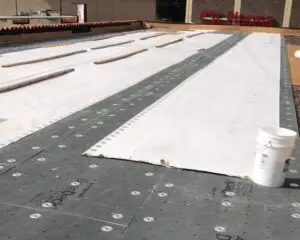
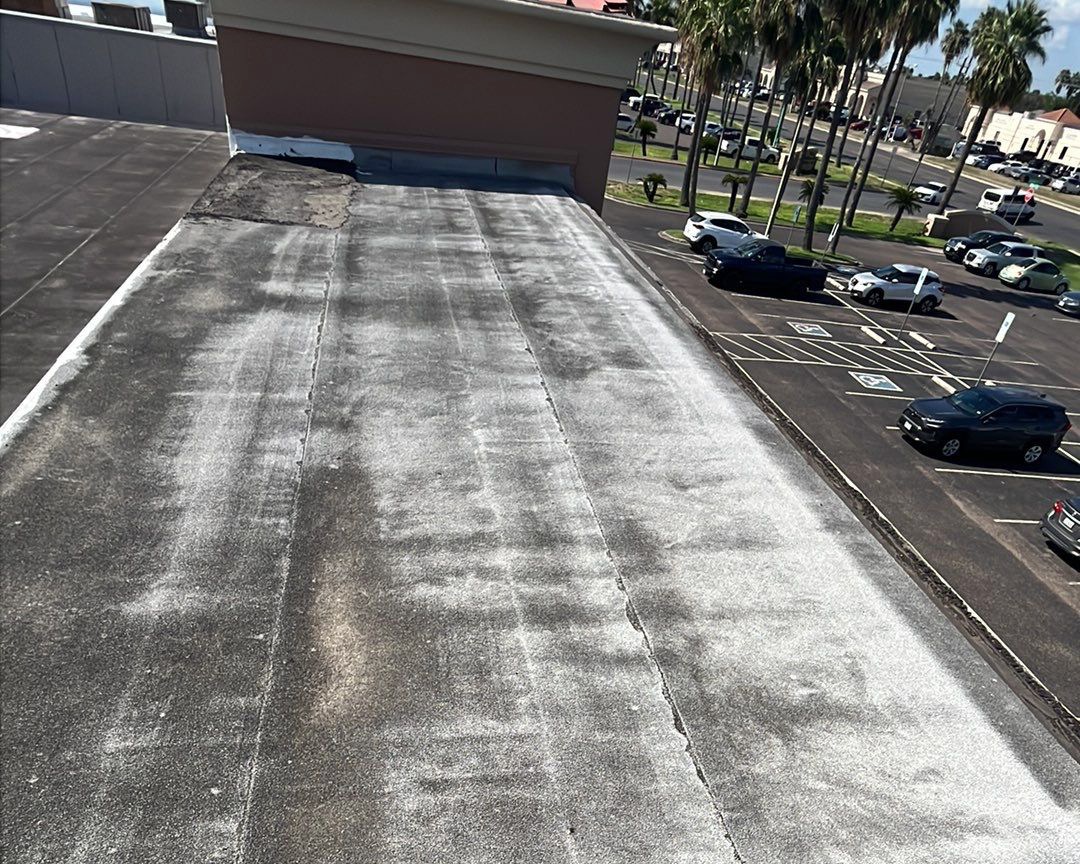
Commercial Modified Bitumen Roofing McAllen systems are built as layered low-slope assemblies designed to resist water intrusion and weather exposure. The exact configuration can vary, but the system often includes a substrate, insulation, base sheet, cap sheet, and flashings integrated at transitions and penetrations.
Modified bitumen systems are commonly associated with two broad categories: SBS and APP. In practical terms, owners do not always need to memorize those labels, but it is useful to understand that system selection and application method matter. Some systems are designed around self-adhered or adhesive-applied approaches, while others are associated with torch or other installation methods depending on product and manufacturer requirements.
- Deck or substrate condition affects the entire assembly
- Insulation and cover board choices influence durability and performance
- Base and cap sheet integration affects waterproofing reliability
- Flashings at walls, curbs, drains, and penetrations are critical
- Drainage design determines how long water remains on the roof surface
The key takeaway is that Commercial Modified Bitumen Roofing McAllen works best when it is installed and maintained as a full system, not treated as a surface patchwork.
Durability and Fit
Where Modified Bitumen Is a Strong Commercial Roofing Choice
Modified bitumen is often a strong fit for low-slope buildings that need a durable asphaltic membrane system with established repair pathways. It can be well suited for buildings where service access, ongoing maintenance, and long-term asset management are part of the operational reality.
This is one reason Commercial Modified Bitumen Roofing McAllen remains relevant even as single-ply systems receive more attention online. For the right property, modified bitumen can offer a durable and practical solution that aligns with commercial maintenance culture.
Installation Planning
Installation Considerations for Occupied Multi-Family and Commercial Properties
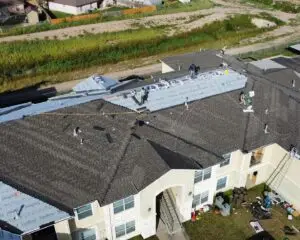
Installing Commercial Modified Bitumen Roofing McAllen on an occupied property requires careful planning. Residents, staff, tenants, vehicles, HVAC operations, and daily site movement all have to be considered. That is especially true for apartment properties and mixed-use sites where roofing work is taking place above occupied units or busy circulation areas.
Material staging, safety control, debris management, access restrictions, and communication all affect how smooth the project feels to management and occupants. On commercial sites, the production process matters almost as much as the finished roof because disorganized work can disrupt operations and create avoidable complaints.
A strong contractor approach includes clear project sequencing, controlled work zones, rooftop access management, and practical communication with property representatives throughout the job.
Workmanship Details
Where Installation Quality Usually Wins or Loses
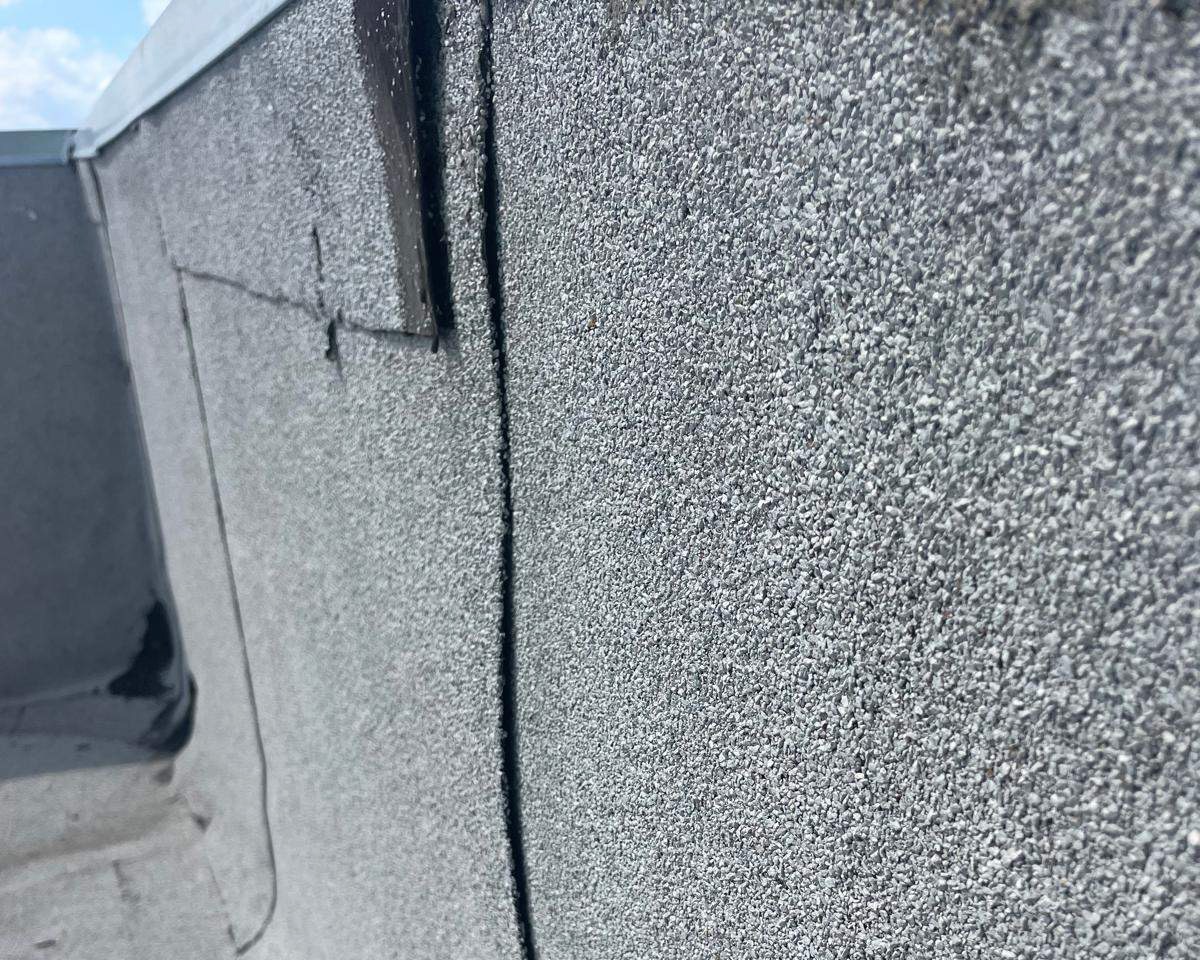
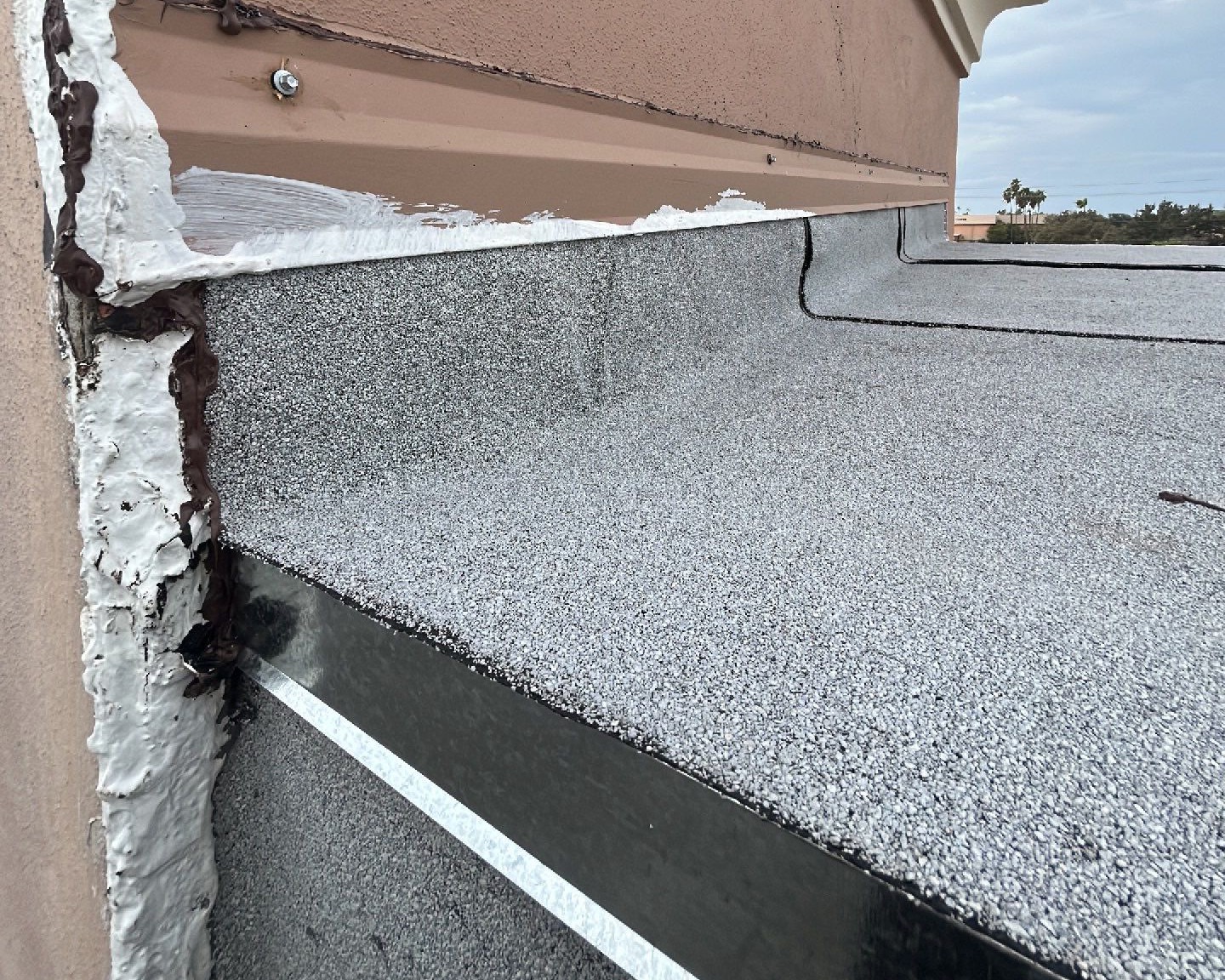
Most serious problems in Commercial Modified Bitumen Roofing McAllen do not start because the owner chose the wrong keyword or system label. They start where details fail: seams, drains, wall flashings, scuppers, HVAC curbs, penetrations, edge metal transitions, or substrate conditions that were ignored.
On multi-building properties, repeated roof designs can repeat the same vulnerability. If one drain transition was installed poorly, several more may be built the same way. That is why inspections and installations should always be pattern-aware rather than focused only on isolated leak points.
- Drain and scupper detailing
- Wall and curb flashing transitions
- Penetration reinforcement and sealing
- Tie-ins at roof edges and parapet conditions
- Substrate preparation and surface cleanliness
Drainage and Water Management
Drainage, Ponding, and Long-Term Roof Performance
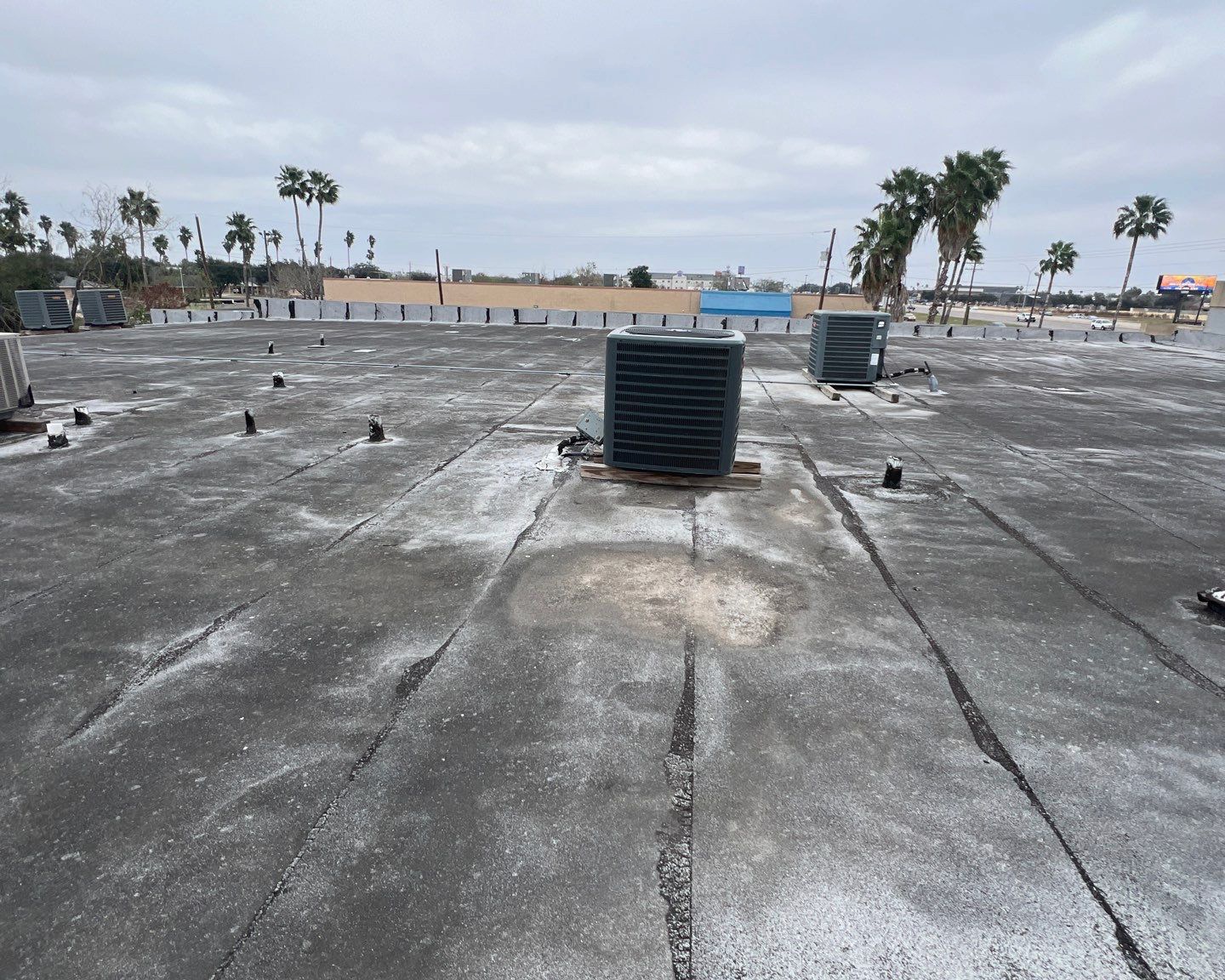
Drainage is one of the most important topics in Commercial Modified Bitumen Roofing McAllen. Low-slope roofs are not meant to function as flat pans. They depend on water moving toward drains, scuppers, or other designed exit points. When drainage is poor, water lingers longer, stressing seams, flashings, and transitions over time.
Ponding water does not automatically mean the entire roof has failed, but it is a warning sign that roof performance and maintenance need closer evaluation. Repeated water retention can accelerate wear and expose vulnerable details to longer-term moisture stress.
For property managers, this is where routine inspections are especially valuable. Drainage problems may be building-specific or limited to certain roof areas, which means targeted corrections may be possible before more expensive deterioration develops.
Seams and Flashings
Why Seams and Transitions Decide Whether the Roof Performs
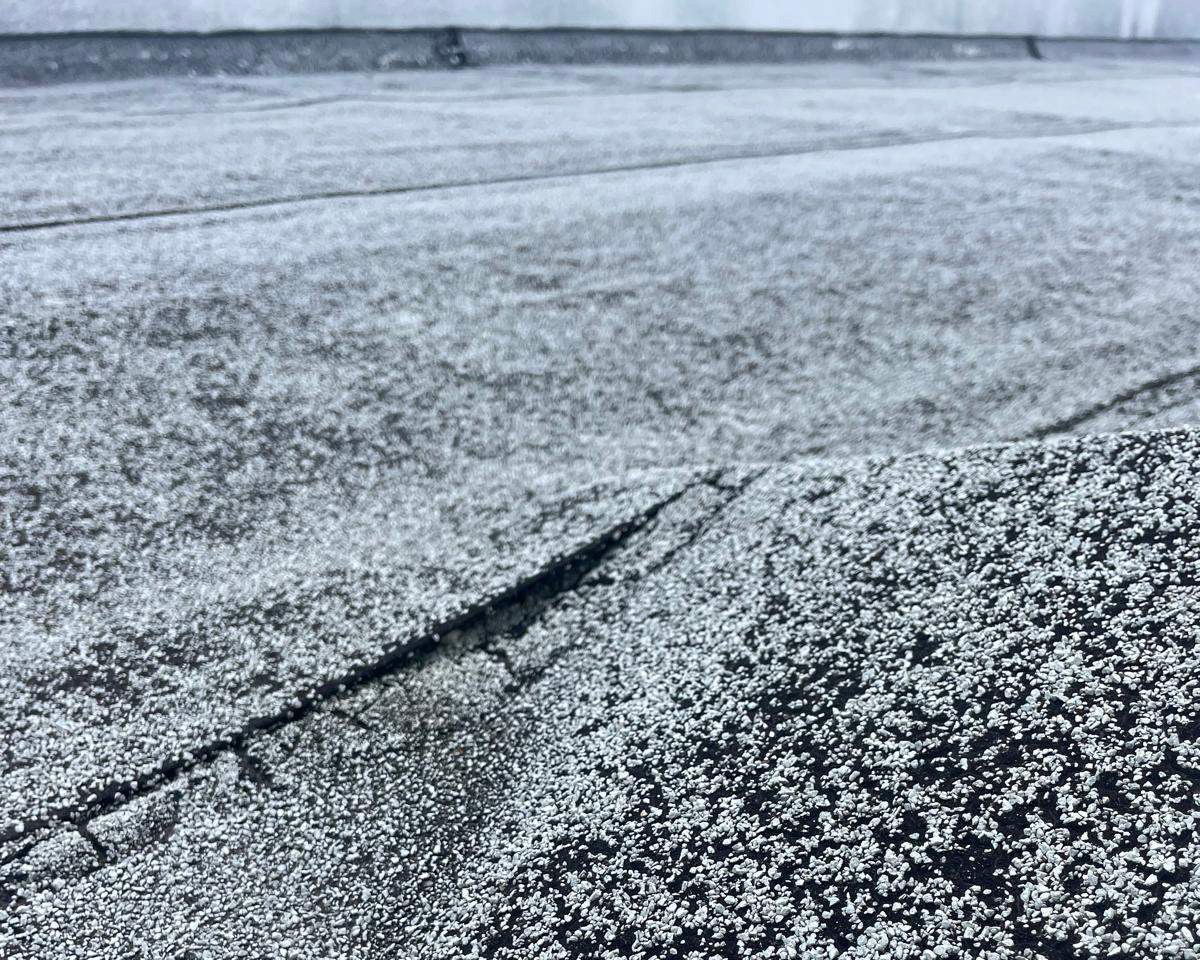
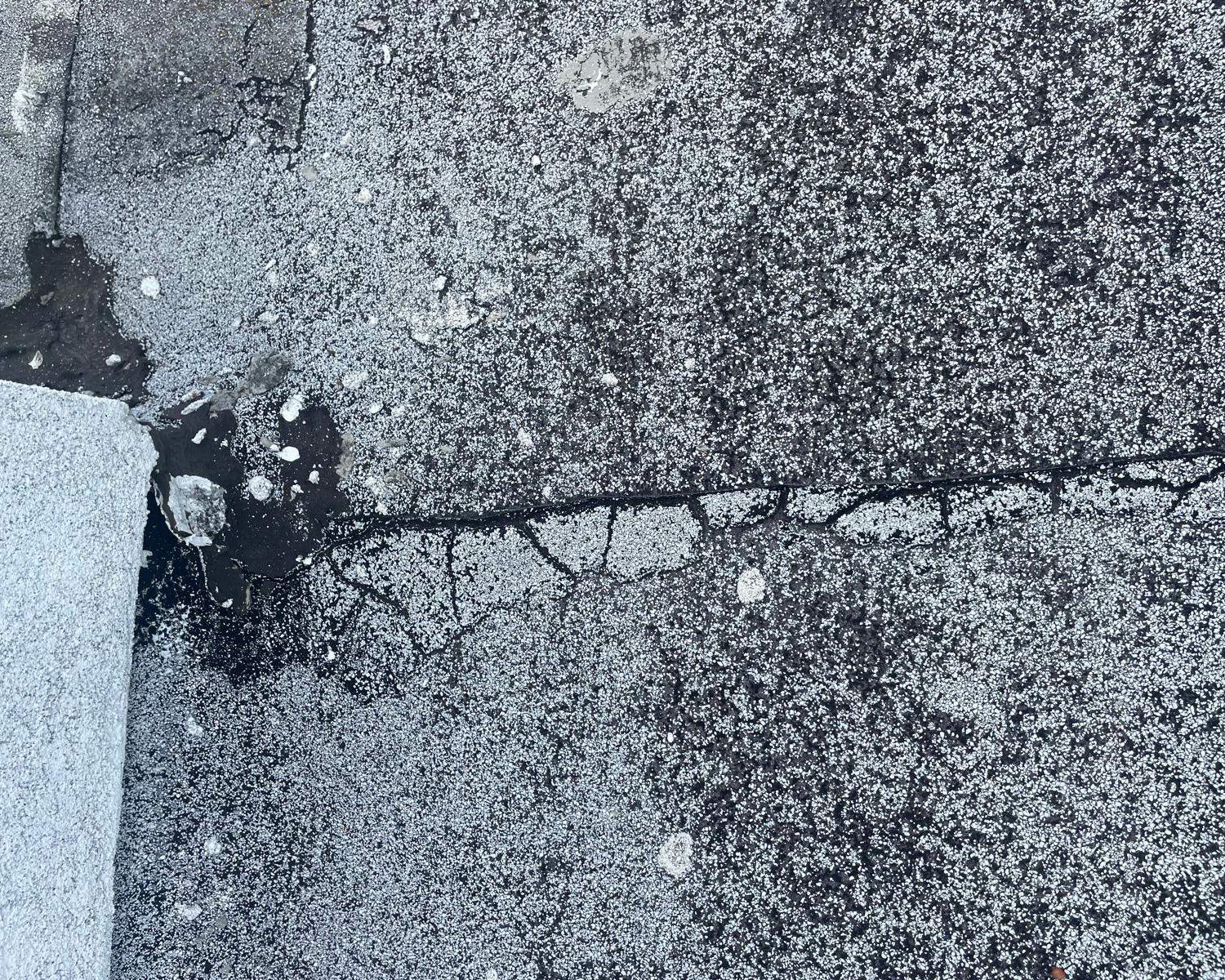
Seams, laps, and flashing transitions are often the real decision points for how long Commercial Modified Bitumen Roofing McAllen stays watertight. A low-slope roof can look acceptable from a distance while still hiding weak transitions at penetrations or perimeter conditions.
For that reason, inspections should pay close attention to:
- Open or stressed laps
- Flashing fatigue around curbs and wall lines
- Drain bowl conditions and tie-ins
- Past repair areas and patch integration
- Movement-related stress at transitions
Multi-family and commercial owners benefit when these details are documented clearly instead of described only in general terms.
Video
Commercial Modified Bitumen Roofing McAllen Video Placeholder
Storm and Insurance Awareness
Storm, Insurance, and Documentation Considerations
Weather in South Texas is part of every commercial roofing decision. Wind, heavy rain, and storm debris can all affect Commercial Modified Bitumen Roofing McAllen, especially at edges, penetrations, and vulnerable transitions. The right response is not guesswork or panic. It is documentation.
Insurance-aware roofing means evaluating the roof carefully, distinguishing between ongoing age-related deterioration and potentially storm-related conditions, and documenting what was actually found. On multi-family properties, that matters because findings may need to be reviewed by ownership groups, insurance representatives, managers, or boards.
Good roof documentation helps establish a roof condition baseline and supports better repair-or-replace decisions.
Risk Control
Why Documentation Matters More on Larger Properties
On larger properties, vague roof conversations become expensive quickly. A good Commercial Modified Bitumen Roofing McAllen inspection should identify where the issue is, whether it repeats elsewhere, which buildings or roof sections are affected, and whether the condition appears localized or systemic.
- Photos of overall roof areas and close-up defect conditions
- Notes tied to specific buildings or roof sections
- Drainage observations and recurring patterns
- Repair history where known
- Clear distinction between maintenance needs and replacement candidates
That kind of reporting helps ownership make roofing decisions with more confidence and less confusion.
Maintenance Planning
Maintenance Planning for Commercial Modified Bitumen Roofing McAllen
Maintenance is one of the biggest opportunities to extend the life of Commercial Modified Bitumen Roofing McAllen. A reactive approach often leads to more leak calls, more emergency patches, and less predictable budgeting. A planned maintenance approach helps owners and managers catch weak points earlier.
Routine maintenance reviews typically focus on drainage areas, seams, flashings, penetrations, previous repair zones, and visible surface wear. On apartment and multi-building properties, maintenance is also about pattern recognition. If multiple structures show the same flashing fatigue or drainage issue, the solution should be strategic rather than purely reactive.
- Annual inspection of all buildings or priority roofs
- Post-storm inspection after major weather events
- Drain and scupper cleaning review
- Monitoring of seams, flashings, and penetrations
- Tracking repeat leak areas by roof section or building
- Budget planning based on documented roof condition
Learn more on our Commercial Roof Maintenance McAllen page.
Operational Advantage
Why Preventative Maintenance Matters on Multi-Building Properties
On a single small structure, a roof issue may remain isolated for a while. On a multi-building complex, the same weakness can appear repeatedly across the property. That is why preventative maintenance for Commercial Modified Bitumen Roofing McAllen is about more than preventing one leak. It is about identifying system trends before they affect multiple tenants or buildings.
Preventative maintenance also supports more disciplined budgeting. Ownership can prioritize roofs with the highest risk, continue to maintain roofs still performing well, and avoid making rushed decisions based on surprise failures.
Repairs
Common Repairs on Commercial Modified Bitumen Roofs
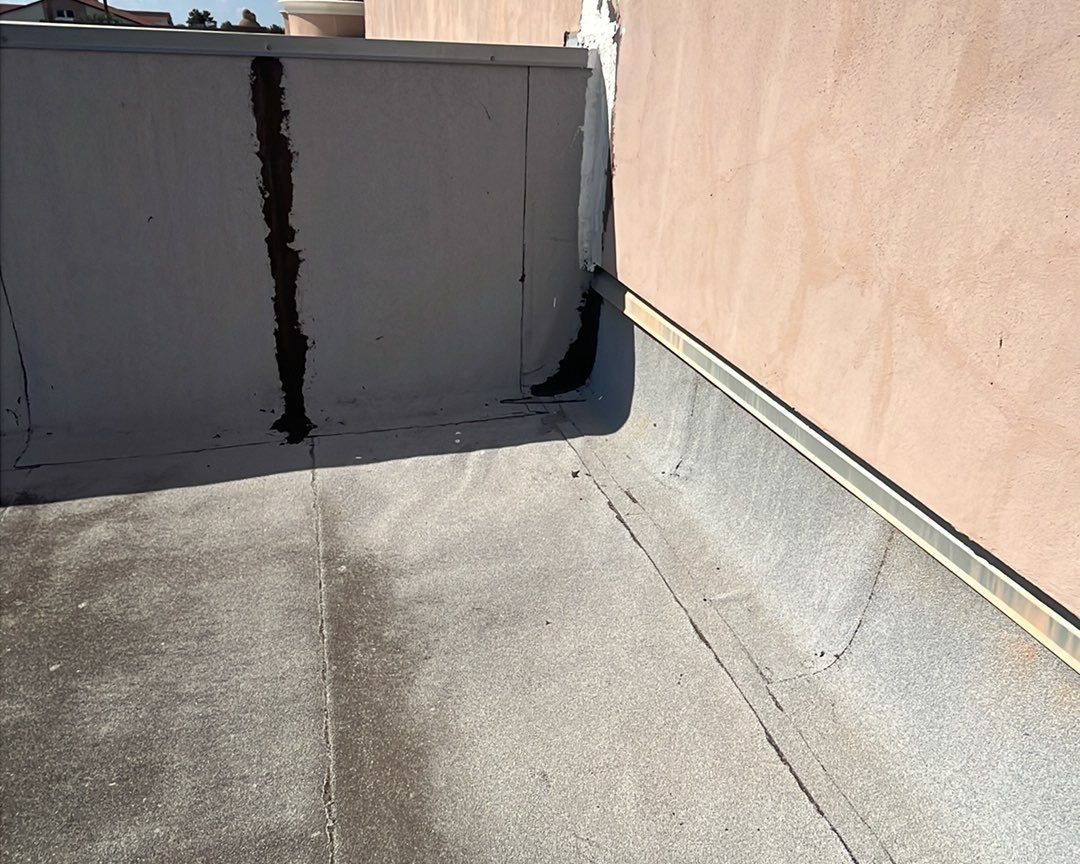
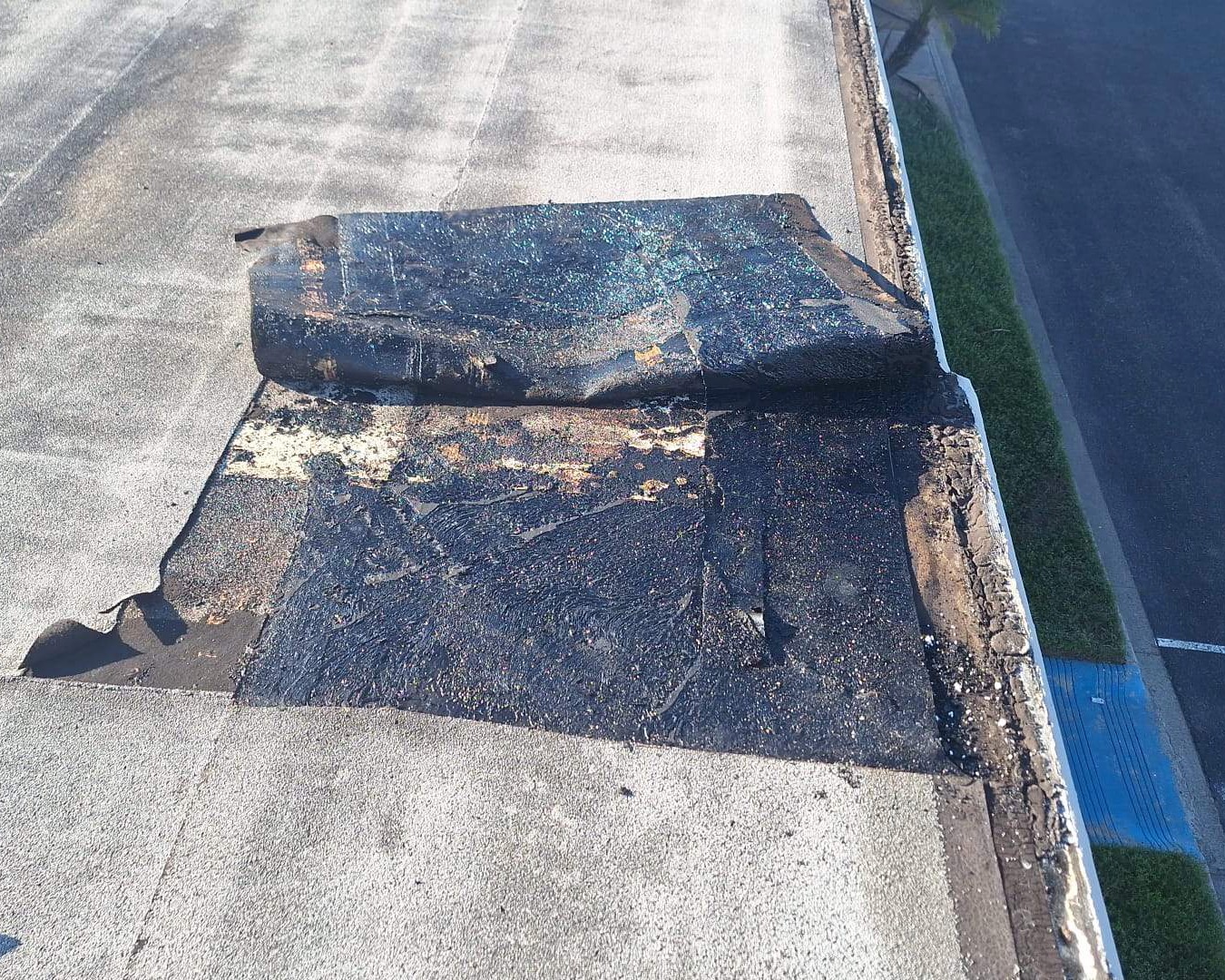
Not every issue requires full replacement. Many Commercial Modified Bitumen Roofing McAllen systems can continue performing well with targeted repairs when damage is localized and surrounding materials remain serviceable. Common repair needs include seam reinforcement, flashing repairs, patching damaged areas, drain detail corrections, and penetration-related waterproofing work.
Repair success depends on diagnosis. The visible leak location inside the building does not always match the actual entry point on the roof. Water can travel through the assembly, which is why good low-slope troubleshooting is important.
See our guide to Commercial Roof Repair McAllen.
Repair Decision-Making
When Repairs Make Sense and When They Do Not
Repairs usually make the most sense when the roof still has useful life remaining, issues are confined to limited areas, and the broader assembly remains stable. If the roof has one or two vulnerable transitions, a localized seam issue, or isolated deterioration, targeted repair may be the right path.
Repairs become less practical when failures are repeated across multiple zones, moisture has spread beneath the system, or the roof has entered a pattern of ongoing emergency work. In those situations, ownership may be spending money without meaningfully improving long-term performance.
For More Technical Information on Industry Standards Visit: National Roofing Contractors AssociationReplacement Strategy
When Repair Stops Making Sense on Commercial Modified Bitumen Roofing McAllen
There comes a point when continued patching no longer protects the asset efficiently. If Commercial Modified Bitumen Roofing McAllen has widespread seam fatigue, repeated leak history, moisture-related insulation problems, or multiple transitions deteriorating at once, replacement may become the more financially responsible path.
A replacement recommendation should never be based on surface appearance alone. It should reflect a structured review of repair history, moisture concerns where visible or documented, drainage conditions, flashing integrity, and whether the roof still supports a practical maintenance path.
- Extent of repeated repairs and leak callbacks
- Condition of seams, penetrations, and perimeter details
- Whether ponding and drainage problems are ongoing
- Whether multiple roof areas show fatigue at the same time
- Whether ownership needs a long-term capital solution
Learn more on our Commercial Roof Replacement McAllen page.
Capital Planning
How Multi-Family Owners Can Plan Roofing Work in Phases
On multi-family properties, not every roof section has to be handled the same way at the same time. One of the most useful benefits of good inspection documentation is the ability to phase work intelligently. Ownership can prioritize the most vulnerable roof areas first, maintain other sections, and tie roofing work to reserve planning or larger renovation schedules.
That helps avoid rushed decisions, improves communication with stakeholders, and allows roofing strategy to support broader asset management goals.
Why Marva Roofing
Why Marva Roofing Is a Strong Fit for Commercial Modified Bitumen Roofing McAllen
Commercial and multi-family roofing needs a contractor who understands both roof systems and operations. For apartment properties, low-slope sections, and commercial buildings, that means inspecting carefully, documenting clearly, recommending scope logically, and planning work in a way that respects occupied property conditions.
- Commercial-first and property-management-aware approach
- Practical repair-versus-replace guidance
- Attention to drainage, seams, penetrations, and flashings
- Clear documentation for owners and managers
- Planning support for phased roofing decisions
The goal is not just to install or patch a roof. The goal is to help ownership protect the building, reduce disruption, and make better roofing decisions with confidence.
Internal Roofing Resources
Related Commercial Roofing Pages
Strengthen your commercial roofing silo and guide property owners to the right next step with internal links to:
- Commercial Roof Inspection McAllen
- Commercial Roof Repair McAllen
- Commercial Roof Maintenance McAllen
- Commercial Roof Replacement McAllen
- Commercial TPO Roofing McAllen
- Commercial Roofing McAllen
These internal links reinforce topical authority while helping visitors move from research to action based on their actual roofing need.
Schedule Service
Schedule a Commercial Modified Bitumen Roofing McAllen Inspection
If you manage an apartment complex, clubhouse, office building, or other low-slope commercial property, a documented roof inspection is the best place to start. A professional review can help determine whether the roof needs maintenance, targeted repairs, phased work, or a larger replacement strategy.
At Marva Roofing, we help owners and managers evaluate Commercial Modified Bitumen Roofing McAllen with a practical, building-by-building perspective. That means clear findings, realistic scope recommendations, and a stronger plan for protecting your roofing investment.