If part of a commercial roof could not be inspected, the report should identify the area, explain the limitation, distinguish what was observed from what remains unknown, and recommend a practical next step. “Not inspected” does not mean “no problem found.” For McAllen and RGV building owners, that distinction matters before approving repairs, budgeting a replacement, or handing the report to another contractor.
Start by asking what the inspection actually covered
An inspection may include different kinds of observations: roof-level views, views from the ground, accessible interior areas, photographs, or separately agreed testing. Ask which methods were used for each roof area. A photograph from a distance is useful context, but it should not be described as a close examination of a seam or concealed layer.
Our commercial roof inspection guide explains the broader inspection process. This checklist focuses on the parts of a report that explain its limits, so you know what decisions the available evidence can support.
Ask for a location, a reason, and the unanswered question
A useful limitation is specific. Instead of “limited access,” ask which roof section, equipment area, underside of the deck, or interior room was not observed. A marked roof plan or labeled overview photo can make the location easier to understand.
The report should also explain why: access was not available, an obstruction blocked the view, conditions prevented safe access, or the item was outside the agreed scope. These are different situations and may need different follow-up arrangements. Do not ask staff to climb onto a roof or move equipment just to fill a blank in the report.
Finally, ask what remains unknown. Was the question about visible surface condition, a concealed roof layer, the underside of the deck, or a reported interior symptom? A limitation should connect to a question, not leave you guessing what was missed.
Keep observations separate from conclusions
“No visible defect observed in the accessible area” is narrower than “the entire roof is sound.” Ask whether each conclusion applies to one observed area or to the whole roof, and what evidence supports that scope. A clean-looking surface should not be presented as proof about every concealed component.
NRCA’s Roof Deck Integrity Assessment Tool distinguishes accessible and inaccessible deck conditions. It calls for documenting observations and considers additional professional assessment where appropriate. That is a useful reminder that access and the evidence available affect the evaluation; it is not a checklist for an owner to perform structural testing.
Use this five-question follow-up checklist
1. Where is the limitation? Ask for the building, roof section, interior location, or equipment identifier and a matching photo or plan reference.
2. What was actually observed? Ask how the inspector viewed the area and which parts remained concealed or out of reach.
3. Why was it limited? Separate access arrangements, safety conditions, obstructions, and work that was not included in the agreed inspection.
4. What decision needs more information? Ask whether a proposed repair can be scoped now or whether another inspection, specialist review, or agreed testing is needed first.
5. Who handles the next step? Record the responsible contact, access arrangements, proposed scope, any separate charge to approve, and a target date. Ask what document will close the unanswered item.
A clear note is more useful than a blank box
Here is a hypothetical example: “The underside of the deck above the stockroom was not visible during this visit. No conclusion about that concealed area is made from the roof-surface photos. The owner and inspection team will coordinate the next evaluation step before relying on a deck-condition conclusion.”
The value is the structure: location, limitation, boundary of the conclusion, and follow-up. Your actual report should reflect the actual building and observations. Do not copy a generic statement into a report as though it describes a completed inspection.
Do not let paperwork delay a reported active problem
If water is entering the building or someone reports an immediate concern, contact the appropriate professional promptly and describe what is happening. Do not wait for every attachment before requesting a commercial roof repair assessment. The response and any temporary measures should be discussed for the actual conditions.
Keep the original report, photographs, later findings, and approved work together. Add the follow-up result to your commercial roof maintenance record rather than replacing the original note. That preserves what was known at each visit.
Get an explanation you can use
Marva Roofing is family-owned and veteran-owned, serving McAllen and the Rio Grande Valley. If you need help understanding a roof inspection’s scope or arranging an assessment, call (956) 217-9989. Bring the report, available photos, and the questions that remain unanswered.
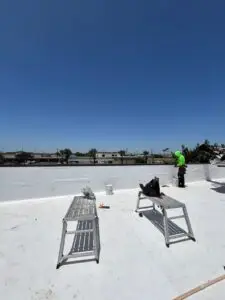
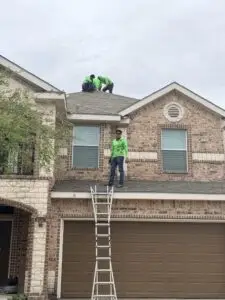
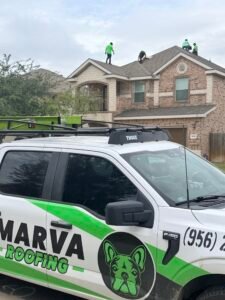
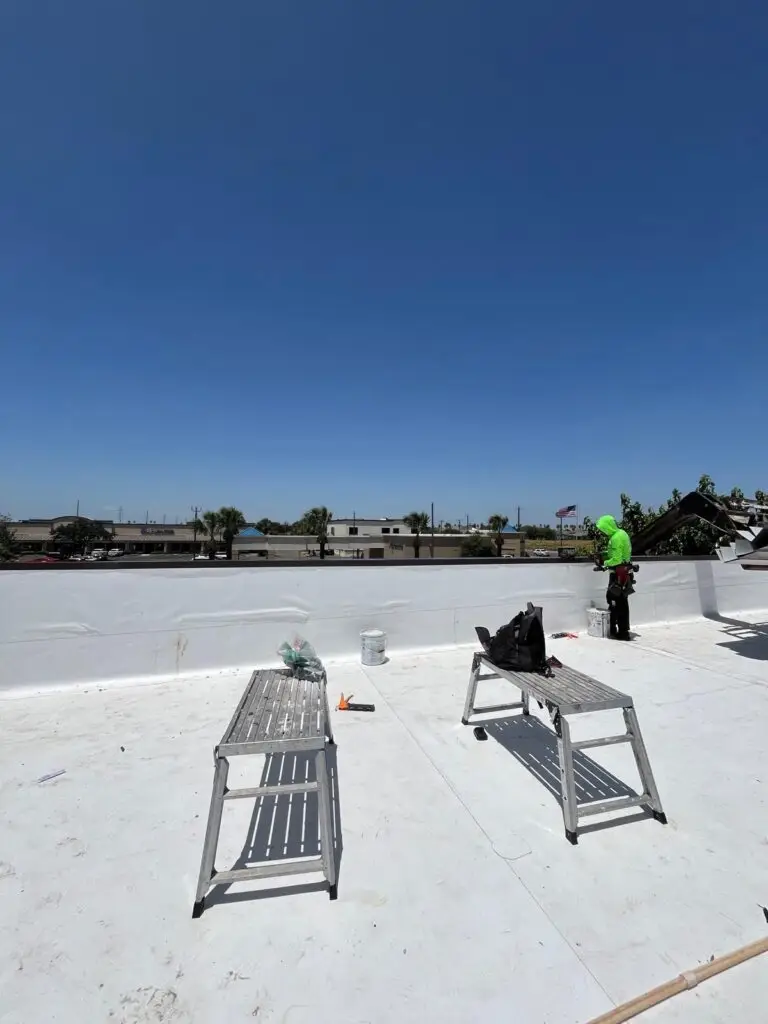
Photo context: These images show commercial roofing work in progress. They do not document an inspection limitation, establish structural condition, or prove compliance.
Reference: NRCA Roof Deck Integrity Assessment Tool, version 2.0. The report-review questions above are practical owner guidance, not a determination of code requirements or warranty coverage.