Does A Roofer Need To Be Licensed
Why Roofers Are Not Required To Be Licensed In Texas — And Why Training & Certification Matter
Many homeowners are surprised to learn that the state of Texas does not require roofers to hold a state-issued contractor license. Unlike some other trades, roofing in Texas is not regulated at the state licensing level. This means that technically, anyone can claim to be a roofer and offer roofing services without passing a state exam or holding a state license.
Texas follows a more open-market approach, placing responsibility on property owners to choose qualified contractors. While some cities may require local permits or business registrations for roofing projects, there is no statewide roofing license that verifies skill, experience, or workmanship standards.
Because of this, the quality of roofing work in Texas can vary widely. Two contractors may offer the same service at very different levels of professionalism, training, and reliability. This is why certifications, proper training, and proven experience are far more important than a license alone.
Manufacturer certifications are one of the strongest indicators of a qualified roofer. These certifications are not given freely. Contractors must meet strict requirements such as proper installation training, adherence to manufacturer guidelines, proven workmanship history, and the ability to offer enhanced warranties. Certified roofers are trained to install complete roofing systems correctly, not just shingles or panels.
Proper training also ensures that a roofer understands critical details that directly impact the life of a roof. These include ventilation, underlayment selection, flashing installation, fastening patterns, and code compliance. Mistakes in these areas often lead to leaks, premature failure, and denied warranties. A well-trained contractor knows how each component of the roofing system works together to protect your home or building.
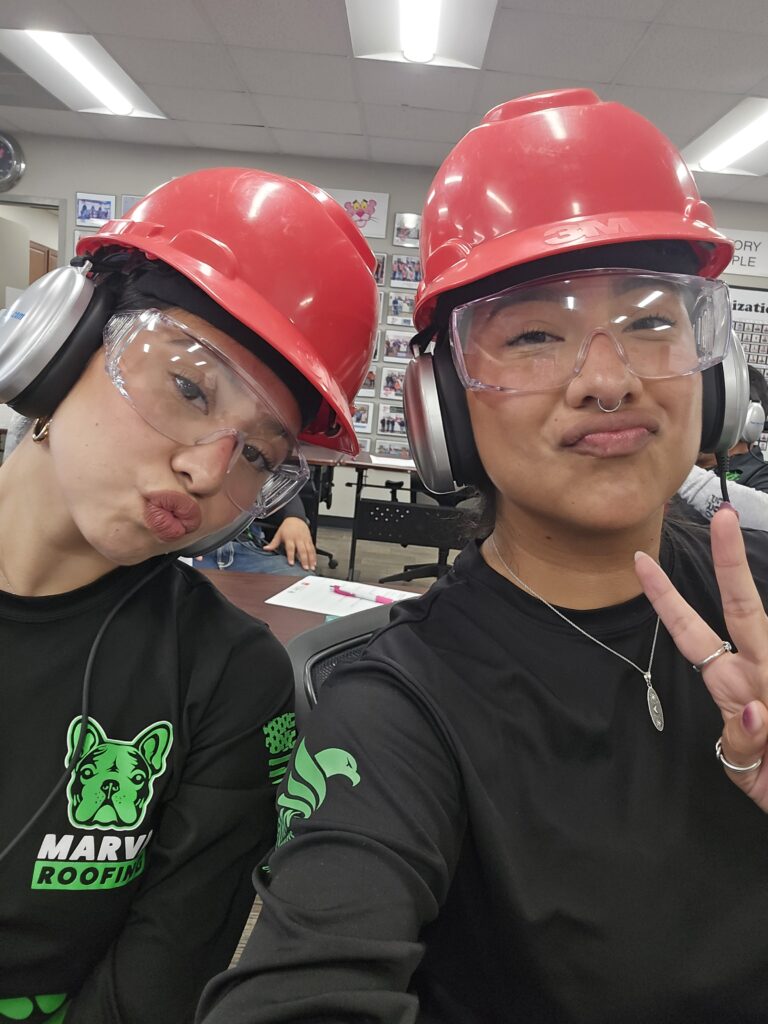
Another key factor is insurance and safety training. Professional roofing contractors carry general liability insurance and workers’ compensation coverage to protect both the property owner and the crew. They also invest in safety training to reduce risks during installation. This level of responsibility is rarely found in untrained or inexperienced operators.
Experience also matters. A trained and certified roofer can properly evaluate whether a roof needs repairs or full replacement, identify hidden issues, and recommend solutions based on long-term performance rather than short-term cost. This helps homeowners avoid repeated repairs and unexpected expenses.
In a state where licensing is not required, homeowners should focus on what truly matters: certifications, training, insurance, documented experience, and a strong reputation. Asking the right questions can make all the difference. Who trained the installer? Are they certified by the manufacturer? Do they follow industry best practices? Are warranties backed by both the contractor and the manufacturer?
While Texas law does not require roofers to be licensed, choosing a properly trained and certified roofing professional is essential. It protects your investment, ensures quality workmanship, and provides peace of mind that your roof is built to perform for years to come.