
Residential-First Metal Roof Repair for McAllen, Mission, Edinburg, Donna, Pharr & the Rio Grande Valley
Metal Roof Repair McAllen TX
If your metal roof is leaking, showing loose trim or fastener movement, rusting at vulnerable edges, or raising questions after hail or wind, the smartest first step is a documented inspection. Marva Roofing helps homeowners diagnose the real failure point, separate isolated repair opportunities from broader system issues, and decide when a repair is still worth doing.
- Veteran-Owned
- Family-Owned
- 0% Money Down Financing Options
- Google Guarantee Messaging
- Inspection-First Recommendations
Clear repair answers before you spend money in the wrong place
We built this page for homeowners comparing metal roof leaks, fastener issues, flashing failures, storm damage, maintenance timing, and repair-versus-replacement decisions across McAllen and the Rio Grande Valley.
- Common metal roof leak and failure points
- Standing seam vs exposed fastener repair logic
- What a metal roof repair inspection should include
- When repair is still smart and when it is not
- How maintenance helps prevent repeat repairs
Start with facts, not pressure
Schedule Your Free Inspection
Before anyone starts patching seams or blaming the panels, we inspect the system, document what we find, and explain whether the smarter next step is repair, maintenance, or a larger replacement conversation.
Metal repair guide
Metal roof repair is usually a detail problem first, not just a panel problem
Metal Roof Repair McAllen is not just a matter of tightening a screw or smearing sealant where water showed up inside. In South Texas, good metal repair work starts with understanding panel profile, fastener exposure, flashing design, thermal movement, trim transitions, underlayment condition, storm history, and the actual water path.
That is why the smartest repair conversations are diagnostic conversations. Some roofs truly need a targeted fix. Some roofs need a maintenance reset because small issues have been ignored too long. And some roofs are no longer good repair candidates because the pattern is broader than one visible symptom.
If you want the wider system context, pair this page with Metal Roofing McAllen, Metal Roof Replacement McAllen, Metal Roof Maintenance McAllen, and Roof Inspection McAllen.
Table of contents
Jump to the repair question you need
Quick answer for homeowners
Metal roof repair often makes sense when the issue is isolated, the roof still has life left, and the surrounding assembly is still dependable
Metal roof repair in McAllen is often the right move when the problem is localized, the failure point can be documented clearly, and the rest of the roof still has meaningful service life left. That may include loose or aging fasteners on screw-down systems, flashing problems at walls and penetrations, localized trim separation, minor storm-related damage, sealant failure at detail points, or early-stage coating and cut-edge concerns.
Repair becomes less attractive when leaks repeat in multiple zones, bad prior patching has stacked up, hidden deck or underlayment damage is involved, or the roof is simply aging beyond what targeted corrective work can reasonably solve. The right answer should follow the evidence, not the first visible stain.
If water is already getting inside, pair this page with Roof Leak Repair McAllen. If you are already wondering whether replacement is the smarter move, compare this page with Metal Roof Replacement McAllen.
- Good repair candidate: isolated and clearly documented failure point.
- Common repair zones: fasteners, flashing, trim, penetrations, seams, and localized panel areas.
- Higher-risk scenario: repeat leaks, hidden substrate damage, or widespread detail failure.
- Best first step: inspection before committing money to the wrong fix.
Why metal repairs fail in McAllen
South Texas heat, storm exposure, and movement make the details matter more
Metal roofs in McAllen live under prolonged UV exposure, high attic heat, sudden rain, wind-driven weather, and constant expansion-contraction cycles. Those conditions place stress on flashing, trim transitions, sealants, exposed fasteners, washers, penetrations, and the points where different materials meet. A repair that ignores those stress points may look fine initially and still fail quickly.
That is why “patch it and see what happens” is usually the wrong repair strategy. Good metal roof repair starts by identifying whether the problem is isolated and repairable or whether it points to a broader system issue involving underlayment, deck condition, ventilation, movement control, or repeated weather exposure.
For many homes, the real value of repair is not just stopping a current leak. It is restoring control before a small issue becomes a more expensive repair-or-replace decision.
- Heat + UV: accelerate wear at exposed detail points.
- Storm movement: can loosen trim, flashing, and fasteners.
- Thermal expansion: stresses joints, overlaps, and penetrations.
- Water path confusion: interior stains rarely identify the true entry point.
- Bad prior repairs: often cover symptoms instead of solving the real failure.
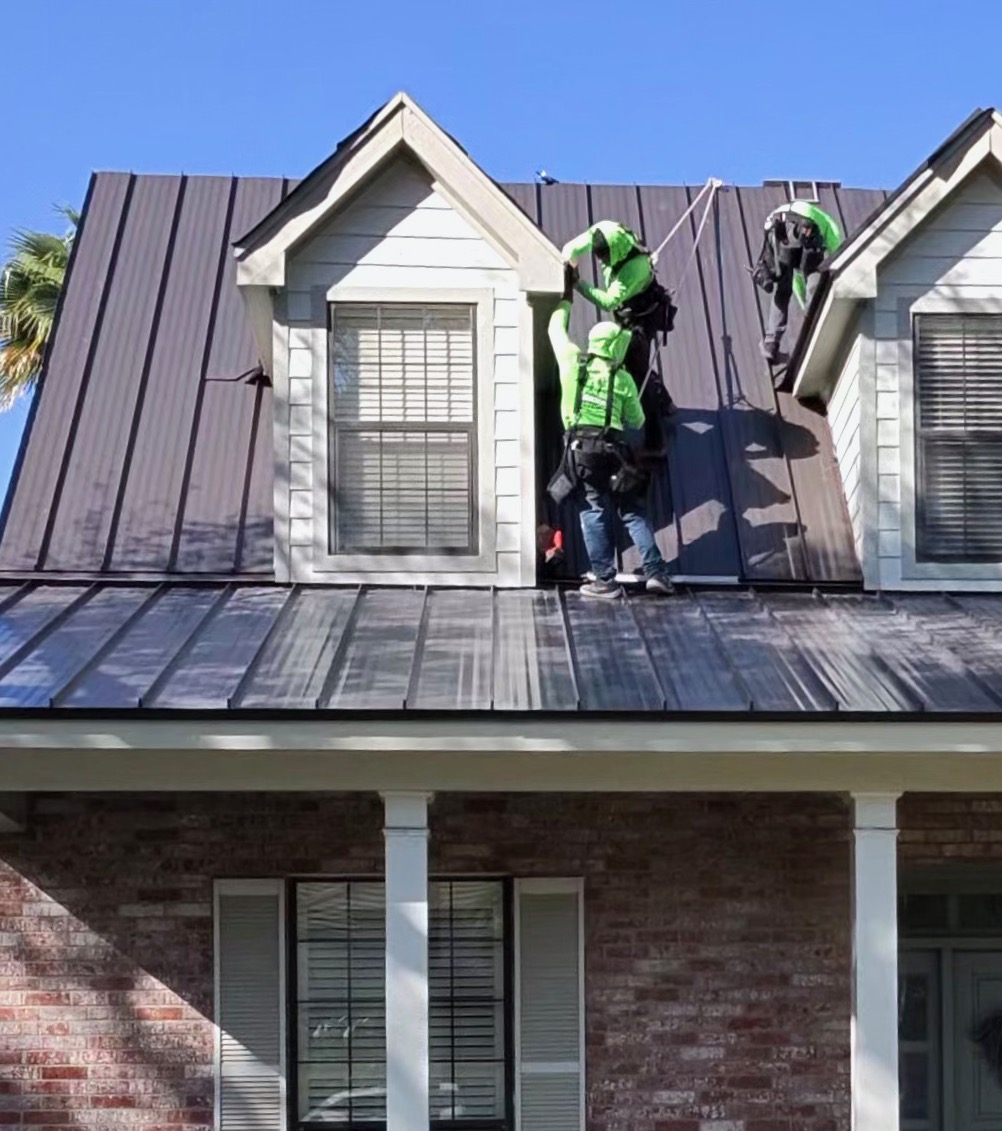
Common metal roof repair situations
What metal roof problems are most often repairable when caught in time
Loose or aging fasteners
On exposed-fastener systems, screws and washers are some of the most common repair checkpoints. Movement, heat, and weather exposure can change how well those details seal over time.
Flashing and wall-transition failures
Penetrations, walls, valleys, ridges, skylights, vent stacks, and roof-to-wall transitions are high-risk zones for leaks. In many cases, the flashing detail is the real failure point.
Sealant breakdown at detail points
Some trim and transition details rely on properly executed sealants. When those details age or separate, water can start working below the visible metal surface.
Localized storm-related damage
Hail, wind, and flying debris can create dents, loosen trim, disturb flashing, or expose weak points that deserve professional evaluation before assumptions are made.
Rust, coating wear, or cut-edge deterioration
Surface wear and early corrosion deserve attention before they spread into broader repair or replacement decisions.
Bad prior patches
Shortcut repairs often fail because the real issue involved movement, fastening, trim integration, or hidden water travel rather than the symptom the homeowner first noticed.
A repair is strongest when it matches the actual system and the actual failure point. That is especially true when comparing standing seam, exposed fastener, corrugated, and stone-coated metal roof systems.
What a repair inspection should include
Metal roof repair decisions should begin with documented condition, not guesswork
Surface and panel review
We look for visible panel movement, dents, coating wear, distortion, and signs that the visible surface may not be behaving the way it should.
Fastener, seam, and trim review
Where applicable, we evaluate exposed fasteners, seam conditions, ridge details, edge metal, and trim connections that frequently create leak paths.
Flashing and penetration inspection
Vents, skylights, chimneys, walls, valleys, pipe boots, and roof-to-wall transitions are inspected closely because those details often fail before the field panels do.
Underlayment and deck clues
Where conditions allow, we look for signs that water has traveled beneath the metal and compromised supporting layers or hidden deck areas.
Storm-related documentation
If hail or wind is part of the story, visible findings are documented so you can understand whether the issue is cosmetic, repairable, or part of a larger risk picture.
Repairability recommendation
The end goal is clarity: whether the roof is a strong repair candidate, a maintenance candidate, or a roof that is moving beyond efficient repair.
Repair by system type
Different metal systems create different repair logic
Standing seam metal roofing
Standing seam repair conversations usually focus more on seams, trim, flashing, penetrations, movement details, and transition execution than on exposed hardware. The clean look of the system does not remove the need for detailed inspection.
Exposed fastener metal roofing
Exposed-fastener repair work often involves fastener correction, washer-related issues, overlap details, trim resecuring, and the practical maintenance reality that comes with visible attachment points.
Corrugated / panel-style metal roofing
Corrugated and panel-style systems can overlap with screw-down repair logic depending on profile and attachment method. Flashing and trim execution remain just as important as panel condition.
Stone-coated metal roofing
Stone-coated systems still need inspection at penetrations, accessories, valleys, and transitions. Repair planning should respect the system design instead of treating it like a generic panel roof.
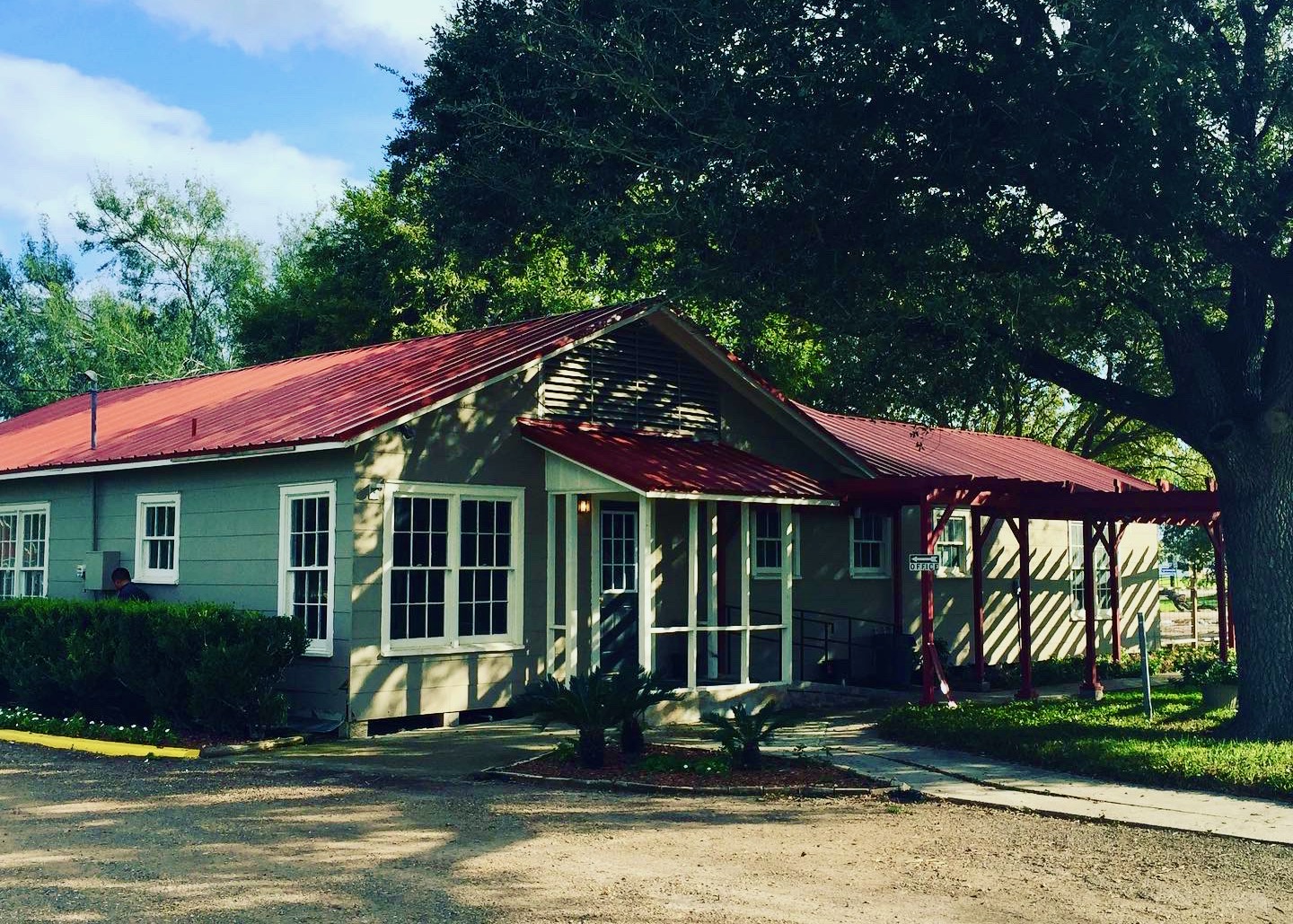
Repair vs replacement
When metal roof repair is still smart and when replacement becomes the better move
Repair usually makes sense when…
- The issue is isolated and clearly documented
- The roof still has meaningful remaining service life
- The surrounding deck and detail work are still fundamentally sound
- You are correcting the problem before it spreads
Replacement becomes smarter when…
- Leaks repeat in multiple areas
- Bad prior repairs have stacked up
- The assembly is aging out, not just one detail
- Hidden damage, deck issues, or broader deterioration are part of the scope
Upgrade conversations start when…
- You are still on shingles and repairs keep repeating
- Heat, storms, and ownership horizon are changing the math
- You want a stronger long-term system instead of another short-cycle fix
- You want the repair-versus-replace decision to follow lifecycle value
If you are already questioning whether continued repair spending makes sense, compare this page with Metal Roof Replacement McAllen and Metal Roof Cost McAllen before you commit to the wrong scope.
How maintenance prevents repeat repairs
Some “repair” calls are really maintenance calls that waited too long
A periodic metal roof check helps catch movement at fasteners, flashing, trim, sealants, and penetrations before those details become interior water damage. That is especially important on exposed-fastener systems and after storms.
Storm and hidden damage awareness
After hail or wind, inspection and documentation matter more than assumptions
Not every dent means the roof failed, and not every storm-related problem is obvious from the driveway. Wind can disturb trim, flashing, and attachment points. Hail can create cosmetic change, functional concerns, or expose detail weaknesses that need closer review. Water may also travel below the visible metal surface and show up far from the true entry point.
That is why post-storm metal roof repair should start with safe inspection and documentation. The goal is to understand whether the roof needs targeted repair, monitoring, maintenance follow-up, or a broader replacement discussion.
If your concern is storm-related, compare this page with Storm Damage Repair McAllen, Hail Damage Roof Inspection McAllen, and the Texas Department of Insurance for general consumer claim guidance.
- Storm damage can be cosmetic, functional, or hidden
- Water often travels far from where it eventually shows up inside
- Documentation protects both repair planning and insurance awareness
- Inspection helps separate urgent repairs from broader system decline
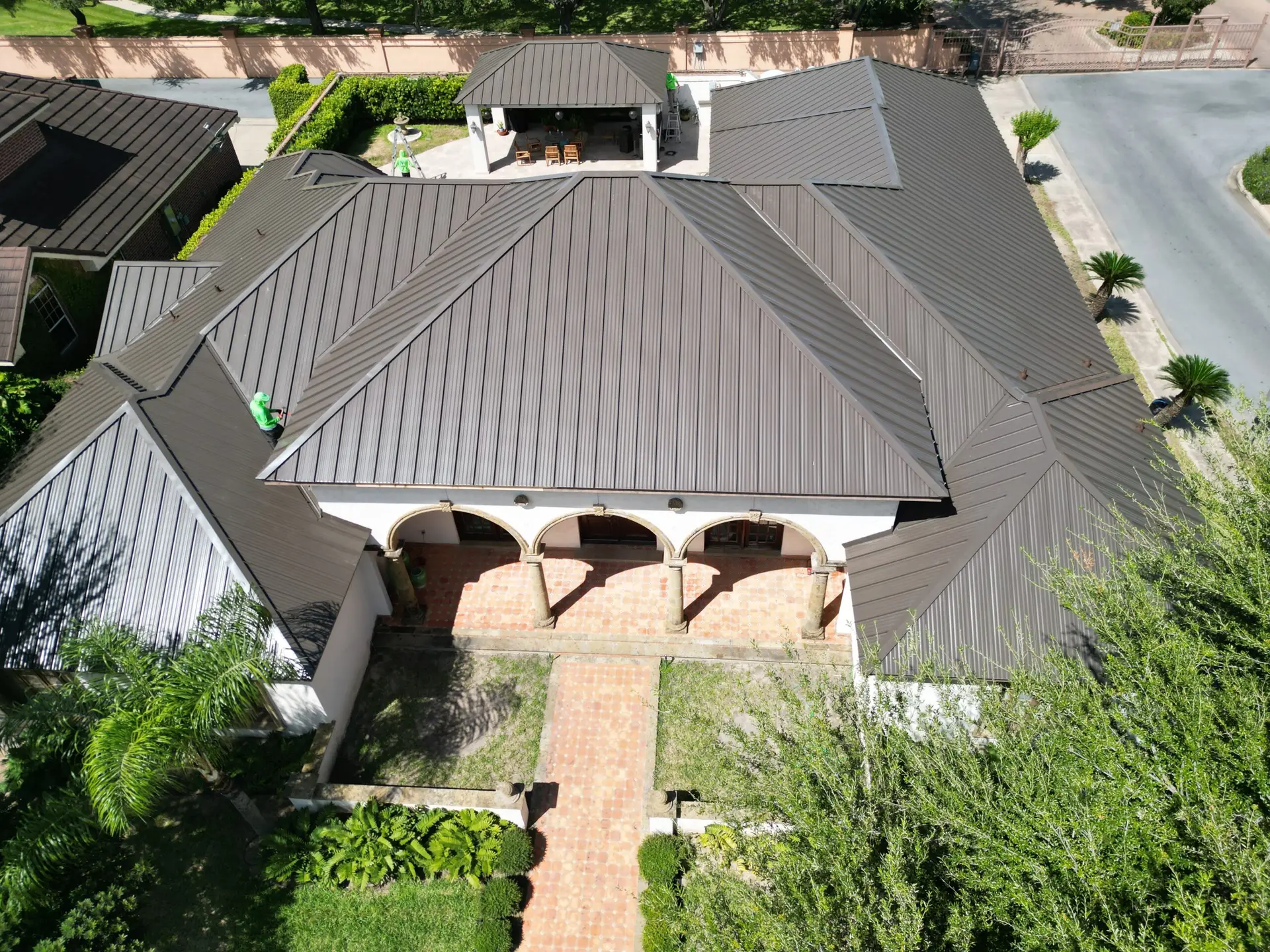
Metal roof repair service areas
Serving McAllen and nearby RGV communities with inspection-first metal repair guidance
McAllen
McAllen homeowners often call when a metal roof starts leaking, fasteners seem to be moving, storm damage may have hit, or the roof is simply raising questions that need a documented answer.
Mission
Mission metal roof repair calls often involve leak-source confusion, flashing issues, or fastener concerns after wind and seasonal weather exposure.
Edinburg
Edinburg homeowners use metal roof repair guidance when they want to know whether the roof is still a strong repair candidate or moving toward broader replacement.
Pharr
Pharr repair projects often need the same inspection-first approach: identify the failure point, document the real scope, and avoid patching the wrong area.
Donna
Donna remains part of Marva Roofing’s broader Rio Grande Valley service coverage for homeowners who need metal roof inspection, repair, and maintenance guidance.
Outside these cities? Visit our full service areas page. Marva Roofing supports homeowners throughout the wider Rio Grande Valley.
Internal link hub / next-step resources
Keep exploring the metal roof repair decision
Core metal pages
Repair, inspect & protect
Compare & plan
Frequently asked questions
Metal roof repair FAQs for McAllen homeowners
Can a metal roof usually be repaired, or does it always need replacement?
Many metal roofs can be repaired when the issue is isolated and the surrounding system still has dependable life left. Replacement becomes more likely when leaks repeat, multiple details are failing, or the assembly is broadly aging out.
What are the most common metal roof leak points?
Common leak zones include flashing at walls and penetrations, exposed fasteners on screw-down systems, trim transitions, ridge details, valleys, and other points where water is concentrated or materials change.
Are exposed fastener metal roofs more repair-intensive than standing seam?
Often, yes. Exposed-fastener systems place visible attachment points on the weather-facing surface, which means their long-term maintenance and repair profile is different from standing seam systems with concealed fastening.
Can hail-damaged metal roofing still be repaired?
Sometimes. It depends on whether the damage is cosmetic, functional, localized, or tied to broader weakness at trim, flashing, fasteners, or panel areas. Inspection is the right first step.
How do I know whether the leak is in the panel or the flashing?
You usually cannot know for sure from the ceiling stain alone. Water often travels. A repair inspection helps trace the likely entry point and determine whether the problem is the visible panel, the transition detail, or something beneath the surface.
Is a sealant-only repair enough on a metal roof?
Not always. Some repairs do require sealant at the correct detail, but caulk alone is not a substitute for fixing the true failure point, movement issue, flashing problem, or fastener problem.
How often should a metal roof be inspected if I want to avoid surprise repairs?
A practical plan is to inspect the roof periodically and after major storms, especially on exposed-fastener systems or older roofs where detail movement matters more.
Do you serve Mission, Edinburg, Donna, and Pharr as well as McAllen?
Yes. Marva Roofing serves homeowners throughout McAllen and the broader Rio Grande Valley, including Mission, Edinburg, Pharr, and Donna.
Your next step
Schedule Your Free Inspection
If you are comparing metal roof repair in McAllen, the best next step is a professional inspection and a clear recommendation. We will help you understand whether the right move is targeted repair, maintenance, storm documentation, or a broader replacement conversation.
Marva Roofing | info@marvaroofing.com | Serving McAllen, Mission, Edinburg, Donna, Pharr & the Rio Grande Valley