The Valley’s Trusted Roofer
Roof Decking Repair
in McAllen, TX
Look beneath the surface. Define the work.
Roof decking repair in McAllen starts with documented conditions and the limits of what can be seen. Marva Roofing helps homeowners connect leak history, accessible findings and exposed sheathing to a clear repair or replacement scope.
The supporting layer beneath the covering
Understand which part of the roof needs work
Identify the sheathing, the supporting rafters or trusses, the underlayment and the visible covering separately. A proposal for one layer does not automatically include work on the others.
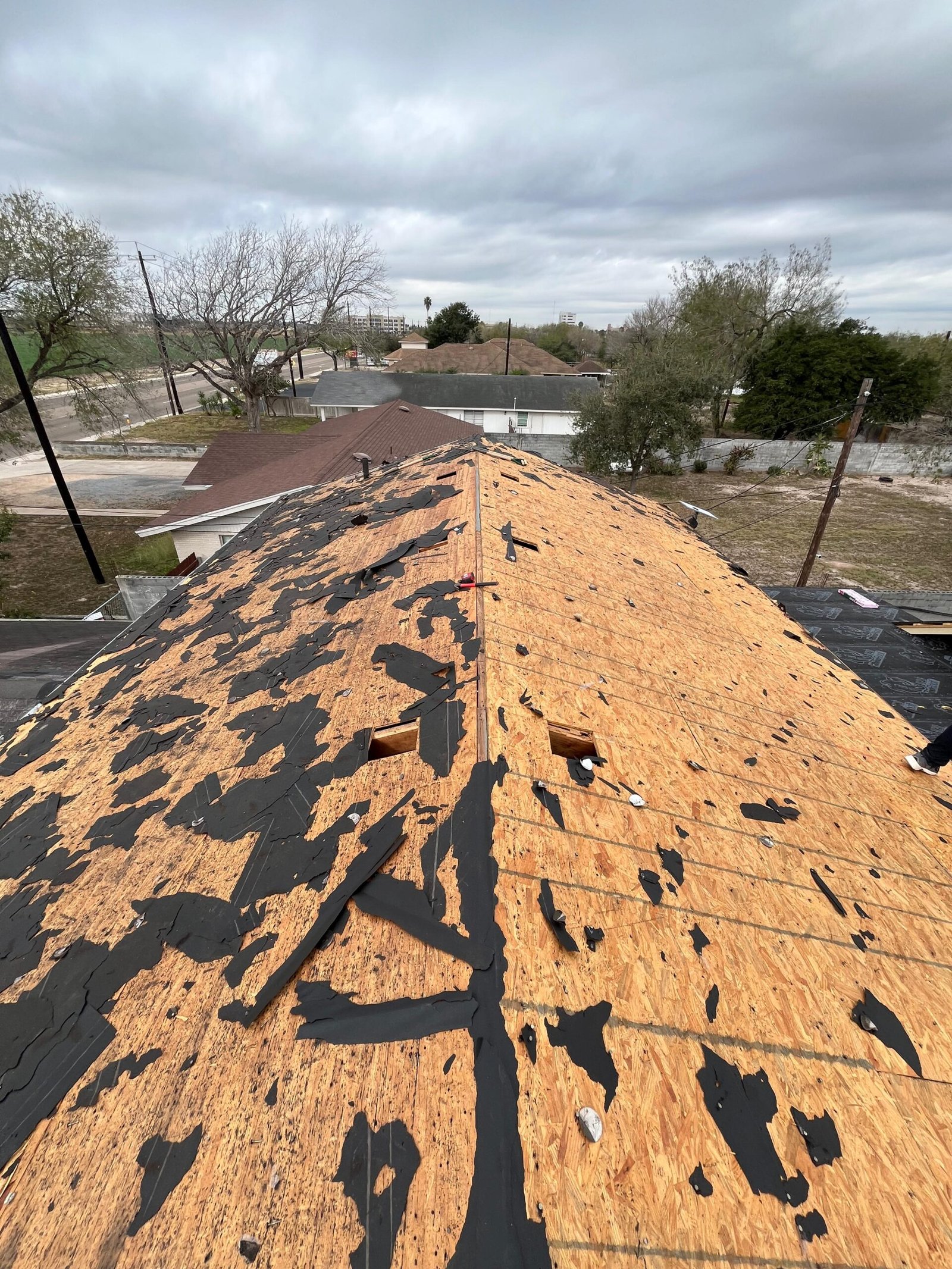
Sheathing work may arise during a leak repair or roof replacement. Ask which findings are confirmed, which areas remain concealed and what further access is needed. A visual review does not certify the condition of unopened areas or the capacity of the supporting structure.
For an active leak, see leak repair. Keep clear of unstable roof areas and damaged ceilings. Leave roof access and condition testing to the team.
The roof surface does not tell the whole story
Use dated observations and location-linked photos to define the concern. A surface view can guide questions but does not establish the concealed deck’s condition.
Leak history
Record the affected room or roof area, when water appears, weather conditions and earlier repairs. Compare new observations with existing photos and invoices.
Accessible clues
Document safely accessible stains or visible deterioration and the areas not assessed. Separate observations from the confirmed cause; a stain alone does not establish rot or a repair quantity.
Exposed sections
When the agreed area is opened, request photos tied to a roof location, the condition found and measured quantities before it is covered. Distinguish sheathing concerns from adjoining framing findings.
Scope and limits
Identify the included deck allowance, exclusions and approval contact. Confirm how extra quantities and any supporting work are documented, priced and approved before the scope changes.
Review the water entry and the surrounding details
Replacing a visibly affected board does not establish or correct every moisture source. Ask which findings support roof water entry, whether condensation or another concern needs separate evaluation, and what work addresses the source as well as the sheathing.
Findings may connect sheathing work with underlayment replacement, storm repairs or broader roof repair. Findings at edges may also warrant reviewing gutters and fascia and soffit.
History. Findings. A defined scope.
Plan the review before opening the roof
Agree on the assessment area, safe access, documentation and charges for any further opening or investigation before it proceeds.
- Share the history
Describe repeat leaks, previous repairs and recent changes. Bring photographs and earlier work records.
- Review accessible areas
Document accessible conditions and limits caused by covering, insulation, interior finishes or unsafe access. Identify what remains unconfirmed rather than assuming unseen areas are sound.
- Define the opening and review
Define how much covering may be removed, how exposed findings are recorded and who approves a change. Confirm weather limits and the proposed temporary-protection or closure arrangements; scope and availability must be agreed before opening.
- Agree the next step
Agree on the roof-specific material and support requirements, removal and re-covering boundaries, written approvals and any specialist work. Keep completion photos and records of areas left unopened.

Make concealed-damage decisions reviewable
Ask the proposal to identify the sheathing type or grade, thickness, span and support conditions, edge support where required, and attachment for the roof and installed covering. Requirements should follow the selected materials, roof design and applicable instructions. Confirm how material changes or newly exposed conditions affect the agreed work.
If findings involve rafters, trusses, connections or unusual movement, ask what structural evaluation is needed and who will provide it. Sheathing replacement and framing repairs are different scopes. A routine roofing inspection does not certify structural capacity or authorize unspecified framing work.
A localized repair or a broader roof plan?
Connect the affected locations, supporting conditions and ability to restore compatible roofing to the proposed boundaries. Roof age alone does not define whether a local repair or broader work is needed.
A defined affected area
For a defined area, ask whether suitable support and serviceable surrounding materials allow a compatible repair. Include removal, sheathing, underlayment, flashing and restoration of the covering; confirm matching-material availability.
More extensive findings
Wider deterioration, supporting concerns or difficulty rebuilding sound details may require further evaluation. Compare roof replacement planning when the findings support it.
Request the reasons for both the sheathing scope and any full-covering replacement recommendation in writing. Identify what is included now and what can only be decided after agreed access.
Decking and underlayment are different layers
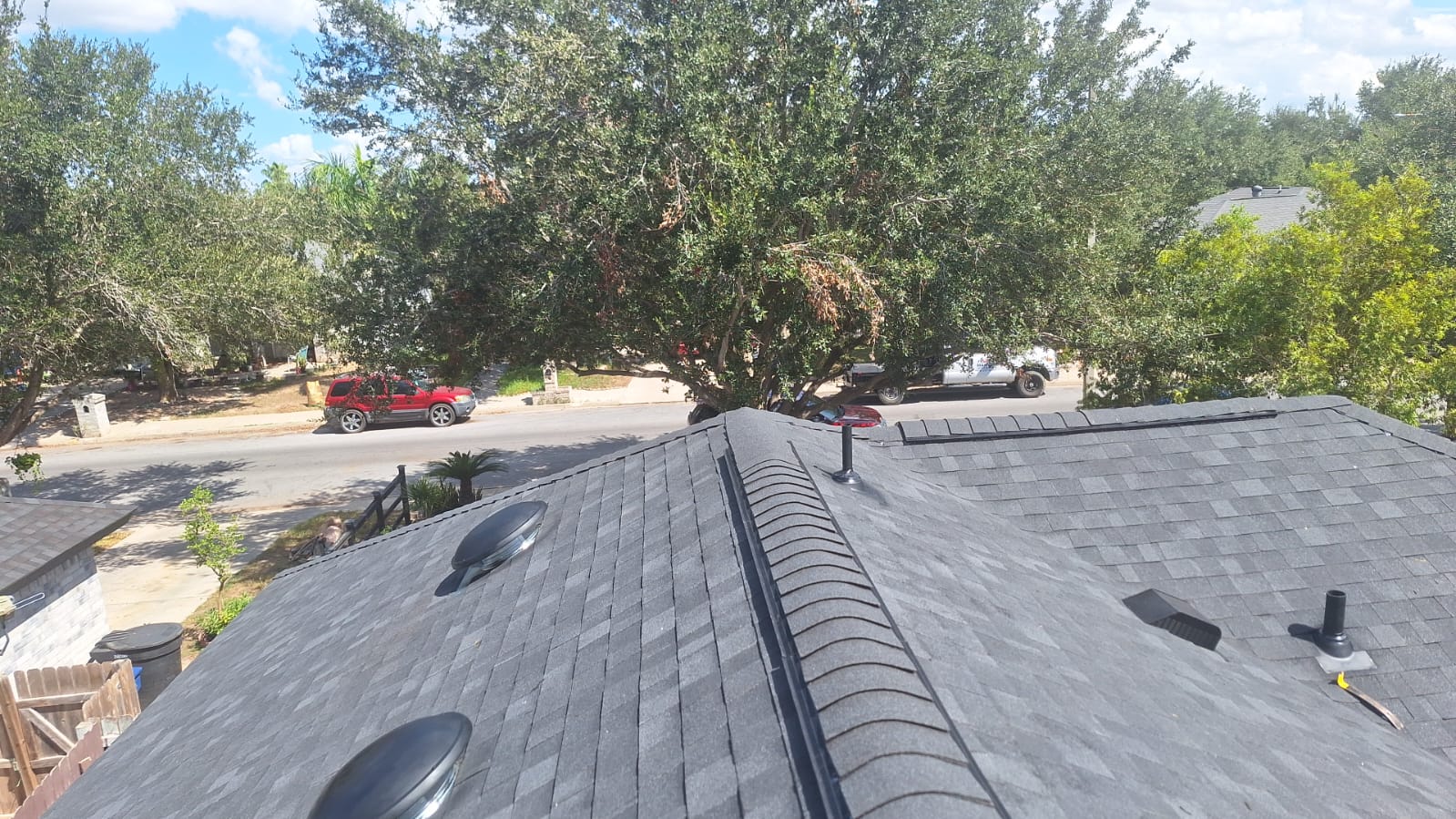
Deck work concerns the supporting sheathing; underlayment is a separate layer above it. Confirm removal and restoration of both, including their connections to flashing and the surrounding covering. Review the underlayment guide for that part of the work.
What changes the scope and budget?
Confirm any included deck allowance and the agreed measurement and price basis for extra work, such as per sheet or measured area. Ask which removal, disposal, support or re-covering tasks are included. Request location-linked photos and measured quantities with a change proposal, and approve it before additional work. Review roof project cost factors and written warranty questions.
Clear findings from Marva Roofing
Marva Roofing is family-owned and veteran-owned: The Valley’s Trusted Roofer. Discuss documented findings, material requirements, scope boundaries and any specialist input before agreeing on work.
Learn about the team, browse the project gallery, read customer reviews or explore financing information.
Ask about your McAllen property or a home in Mission, Edinburg, Pharr, La Feria or wider service areas. Confirm the location, proposed work and current availability before arranging a visit.
Keep the next step connected
Inspection and residential roofing resources
Keep the assessment, photos, agreed quantities and completed-work records with your roof maintenance notes. Use the inspection guide for assessment scope and limits, and review residential roofing services for the broader assembly. Send project details to info@marvaroofing.com.
Roof decking repair in McAllen: FAQs
What is roof decking?
Roof decking, also called sheathing, is the supporting surface beneath the underlayment and roof covering. It is distinct from the rafters or trusses beneath it. Identify which component needs work and how the proposed material, thickness, support and attachment suit the roof and selected covering; replacing sheathing does not by itself address a framing problem.
What causes rotten roof decking?
Moisture exposure can contribute to wood deterioration, but a stain or suspected soft area does not establish the source or extent. Investigate roof water entry and other moisture concerns rather than assuming ventilation or one roof layer is responsible. Ask which findings support the diagnosis and how the moisture source will be addressed alongside the affected sheathing.
How do you know if roof decking is bad?
Report recurring leaks, visible sagging or accessible interior staining without climbing onto the roof or entering unsafe attic areas. These observations warrant assessment; they do not establish every concealed condition. A roofer can document accessible or exposed findings and identify further evaluation needed. Do not walk on the roof to test for soft spots.
Can roof decking be repaired without replacing the whole roof?
A localized repair may be possible when the affected area is defined, suitable support is available and compatible roofing can be restored around it. Confirm how much covering must be removed, the sheathing and attachment specified, and how underlayment and flashing will be connected. Wider concealed findings may change the scope and need written approval.
Does rotten decking always mean I need a new roof?
No. Sheathing work and replacement of the full covering are separate decisions. Ask what the documented extent, surrounding condition and ability to rebuild compatible details support. If wider work is recommended, request why a smaller repair is unsuitable and what remains unconfirmed. Concerns involving rafters, trusses or their connections may require a separate structural evaluation.
What affects roof decking repair cost in McAllen?
Compare access, removal and re-covering, the material and supporting work specified, affected quantities and adjoining details. Ask whether the estimate includes a deck allowance and how extra quantities are measured and priced, such as by an agreed sheet or area basis. Require location-linked photos and approval of additional work; confirm framing or specialist work separately.
Start with a documented roof review
Share the property location, leak history, earlier work and available records. Our team will discuss inspection scope, safe access and available scheduling. Confirm any opening, specialist assessment, further work and applicable charges separately before it proceeds.