The Valley’s Trusted Roofer
Roof Ventilation
in McAllen, TX
Understand the airflow. Plan the work.
Roof ventilation in McAllen starts with the roof and attic you actually have. Marva Roofing reviews accessible conditions, explains the proposed intake and exhaust approach and connects recommendations to the wider roof assembly.
The whole assembly matters
Start with your roof’s existing design
Identify the attic’s intended design, insulation location, air paths and roof details before selecting a vent product.
Describe heat or moisture concerns, previous roof or insulation work and any HVAC equipment in the attic. Ventilation, insulation and air sealing address different parts of the assembly; confirm which concerns need a roofer, an insulation or air-sealing specialist, or an HVAC professional.
Share persistent heat, dampness, staining or changed roof details from the ground or a safely accessible interior area. Record when the concern appears and earlier work. Leave roof and restricted attic access to professionals; these observations can have several causes.
Four parts of an airflow review
Review the existing assembly and connected attic spaces. A visible vent count does not establish usable airflow or whether every area has an open path.
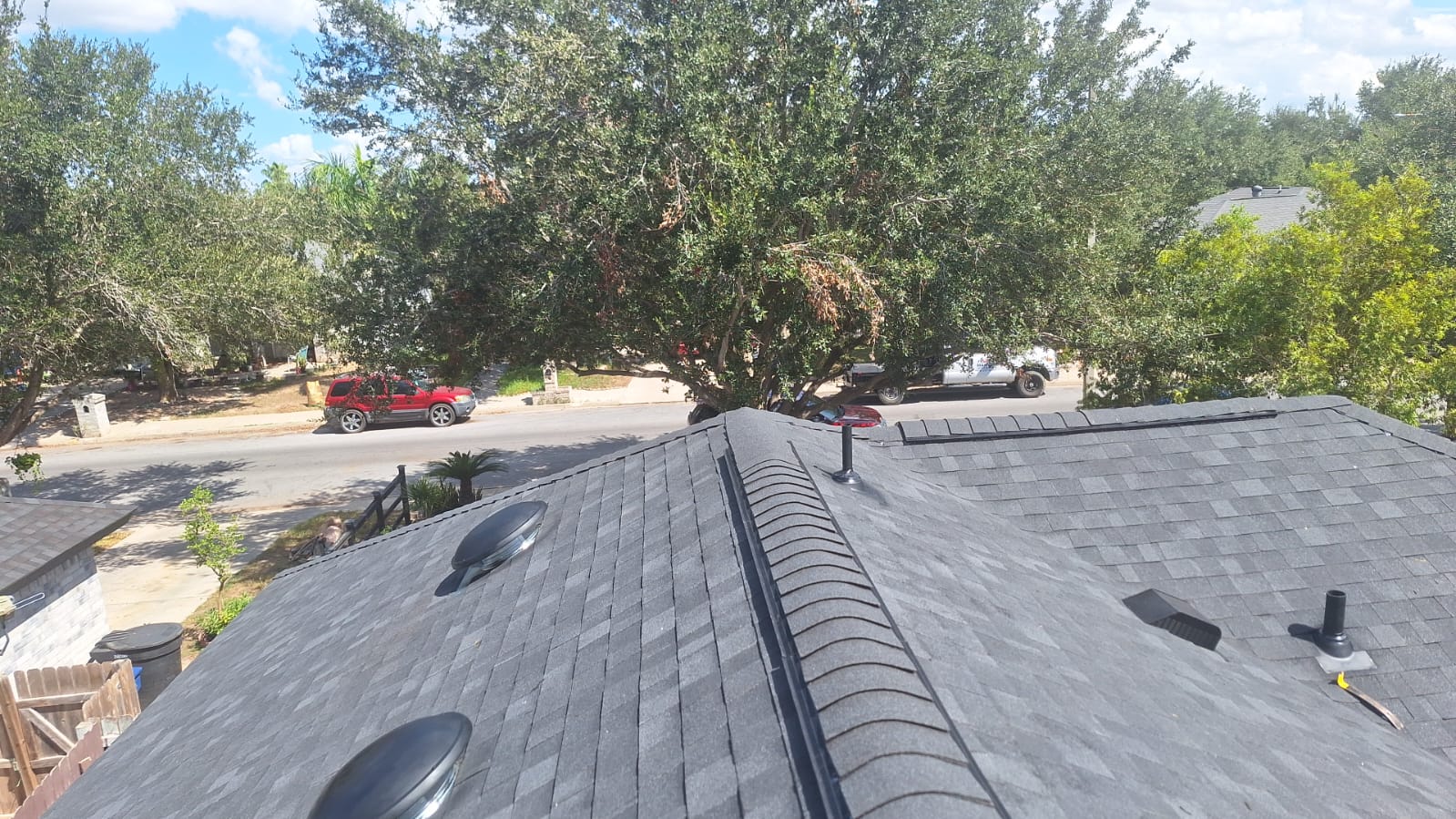
Intake paths
For a vented assembly, identify intake locations and accessible restrictions from insulation, debris or earlier work. If the concern involves the eave, review our fascia and soffit guidance and confirm the actual repair scope.
Exhaust approach
Record exhaust types, locations and the attic areas they serve. Ask whether components sharing an attic are compatible and what must remain, change or be removed under the selected instructions.
Attic configuration
Identify where insulation and air-control layers are located and whether the space is designed as vented or unvented. Do not treat a conditioned attic like a conventional vented attic without evaluation.
Moisture clues
Record accessible stains, dampness and their locations. Separate observed conditions from a confirmed source; roof entry, condensation and HVAC issues may need different investigations.
Choose a compatible approach
For a vented assembly, ask how intake and exhaust are balanced using the products’ rated usable airflow area, often called net free ventilation area. The area served, vent placement, obstructions, manufacturer instructions and applicable requirements belong in the recommendation; a vent count alone is insufficient.
Compare intake and exhaust options that fit the roof geometry and existing assembly. Ask how any different exhaust types within a shared attic will work together under the selected instructions, and which old openings will remain or be closed. More openings do not automatically mean a better system.
A conditioned or unvented assembly needs its own design evaluation. Ask how proposed changes affect insulation, air sealing, moisture control and attic HVAC equipment. Identify any specialist assessment or separate work required before the roofing scope is approved.
Assess. Specify. Review.
A clear path from findings to scope
Request a scope tied to documented findings, with assumptions, access limits and any separate trade responsibilities identified.
- Review the existing assembly
Document accessible roof and attic conditions, insulation arrangement, earlier work and safe access limits. State which areas were not assessed and whether further evaluation is needed.
- Assess the air paths
Identify connected attic spaces, intake and exhaust products, rated airflow areas and obstructions. Explain how the proposed components suit the existing design.
- Specify the work
Specify products, openings, retained or removed vents and related roofing or soffit repairs. Define weather protection, exclusions and how concealed findings or additional work are documented, priced and approved.
- Review the result
Keep photos, product information, completed work and unresolved items. Review cleanup, written terms and follow-up needs; a visual walkthrough is not an energy audit or a guarantee of future attic conditions.
See what a roof inspection covers for the broader assessment path.

Coordinate ventilation with other roof work
Roof ventilation in McAllen may be reviewed during targeted repairs or replacement planning. Ask why the findings justify the proposed scope.
Moisture needs a diagnosis
A stain alone does not establish the source. Note its location and whether it follows rain, equipment use or other conditions. Roof water entry, condensation and duct or equipment concerns require different investigation paths; use roof leak guidance when water entry is suspected. Confirm any HVAC or moisture assessment needed outside the roofing scope.
Roof details still matter
Define the opening, flashing, adjacent covering and any eave repairs in writing. Ask whether matching materials are available, how unused openings are closed and what remains outside the agreed work.
Comfort and energy use also depend on insulation, air sealing, ducts and HVAC operation. A ventilation change does not promise a cooler home, a lower bill or a particular roof life. If those are your goals, ask what additional assessment is needed and who will provide it.
Keep the air paths part of ongoing care
Agree on product-specific care and what can be monitored safely. Keep the vent products and completed-work record with your roof maintenance notes. Report changed roof details, visible blocked openings or new moisture rather than entering restricted areas to investigate.
New insulation, air sealing, equipment or roof work may change the assembly or its air paths. Before further alterations, ask whether the existing ventilation plan needs review. Confirm scheduling, access and any separate assessment or repair charges in advance.
Discuss your home with Marva Roofing
Marva Roofing is family-owned and veteran-owned: The Valley’s Trusted Roofer. Discuss documented findings, product requirements, scope boundaries and any specialist evaluation before agreeing on work.
Review our company, roofing photographs and customer feedback as you prepare questions.
Ask about your McAllen home or a property in Hidalgo or nearby RGV communities. Confirm service scope and current availability for the location and concern before a visit is arranged.
Useful roofing and system resources
Materials, roof edges and homeowner services
Manufacturer guidance and nearby service areas
Roof ventilation in McAllen: FAQs
Does roof ventilation really matter in McAllen?
It matters where the roof and attic design calls for ventilation. Start by identifying the insulation and air-control arrangement, whether the attic is vented or unvented, and the concern being investigated. Attic ventilation, insulation, air sealing and HVAC perform different roles; adding a vent is not a complete response to every heat or moisture complaint.
Can poor ventilation make shingles fail early?
Attic heat and moisture can affect roofing materials, but a visible shingle problem does not establish its cause. Review the roof, deck, installation history and attic conditions before attributing damage to ventilation. Ask which findings are confirmed and which need further evaluation. A vent change does not establish a remaining roof life or a warranty outcome.
Do all homes need ridge vents?
No. The appropriate exhaust approach depends on the roof geometry, connected attic spaces, available intake and the selected product’s instructions. Ask how rated intake and exhaust areas are coordinated and which existing vents remain or are removed. An unvented assembly needs its own evaluation rather than an automatic ridge-vent addition.
Can ventilation problems look like roof leaks?
Staining or dampness can have several sources, including roof water entry, condensation or HVAC-related moisture. Share when and where it appears and whether it follows rain or equipment operation. Review accessible roof and attic conditions; concealed areas may need further investigation or another qualified trade. Do not assume adding vents will correct a leak or condensation source.
Should ventilation be corrected during roof replacement?
Replacement is a useful point to review the existing assembly and coordinate any justified ventilation work. It does not mean every home needs more vents. Confirm the products, rated airflow areas, openings, retained or removed components, roofing repairs and any insulation, air-sealing or HVAC work requiring a separate scope before installation begins.
Start with the roof and attic you have
Share the property location, attic access, previous roof or insulation work and when the concern appears. Our team will discuss inspection scope, safe access and available scheduling. Confirm any further investigation, work and applicable charges separately before it proceeds.