Commercial Modified Bitumen Roofing McAllen TX | Repair, Replacement & Low-Slope Roofing Systems
Commercial Modified Bitumen Roofing McAllen is one of the strongest options for commercial and multi-family properties that need a durable, layered, and highly serviceable low-slope roofing system. In South Texas, roofs take daily heat, UV exposure, sudden heavy rain, foot traffic from service work, and storm-related stress. A good modified bitumen roof is not just a surface membrane. It is a complete roofing assembly built to manage waterproofing, durability, repairability, and long-term building protection.
At Marva Roofing, we inspect, repair, replace, and maintain modified bitumen roofs for apartment complexes, offices, retail centers, churches, warehouses, community buildings, and mixed-use properties throughout McAllen and the Rio Grande Valley. Our approach is inspection-driven, documentation-focused, and built around the real needs of owners and property managers.
Commercial Modified Bitumen Roofing McAllen Guide
- Quick Answer for Owners
- What Commercial Modified Bitumen Roofing Means
- Why Modified Bitumen Performs Well in McAllen
- How Modified Bitumen Roofing Systems Work
- Where Modified Bitumen Is a Strong Fit
- Benefits of Commercial Modified Bitumen Roofing
- Why Multi-Family Properties Often Choose Modified Bitumen
- Common Modified Bitumen Failure Points
- Commercial Modified Bitumen Roof Inspection Process
- Commercial Modified Bitumen Roof Repairs
- Repair vs Coating vs Replacement
- Modified Bitumen vs Other Commercial Roof Systems
- Cost Factors for Modified Bitumen Roofing
- Preventative Maintenance for Modified Bitumen Roofs
- Storm Damage, Documentation & Risk
- Why Choose Marva Roofing
- Related Commercial Roofing Resources
- Frequently Asked Questions
Quick Answer for Owners
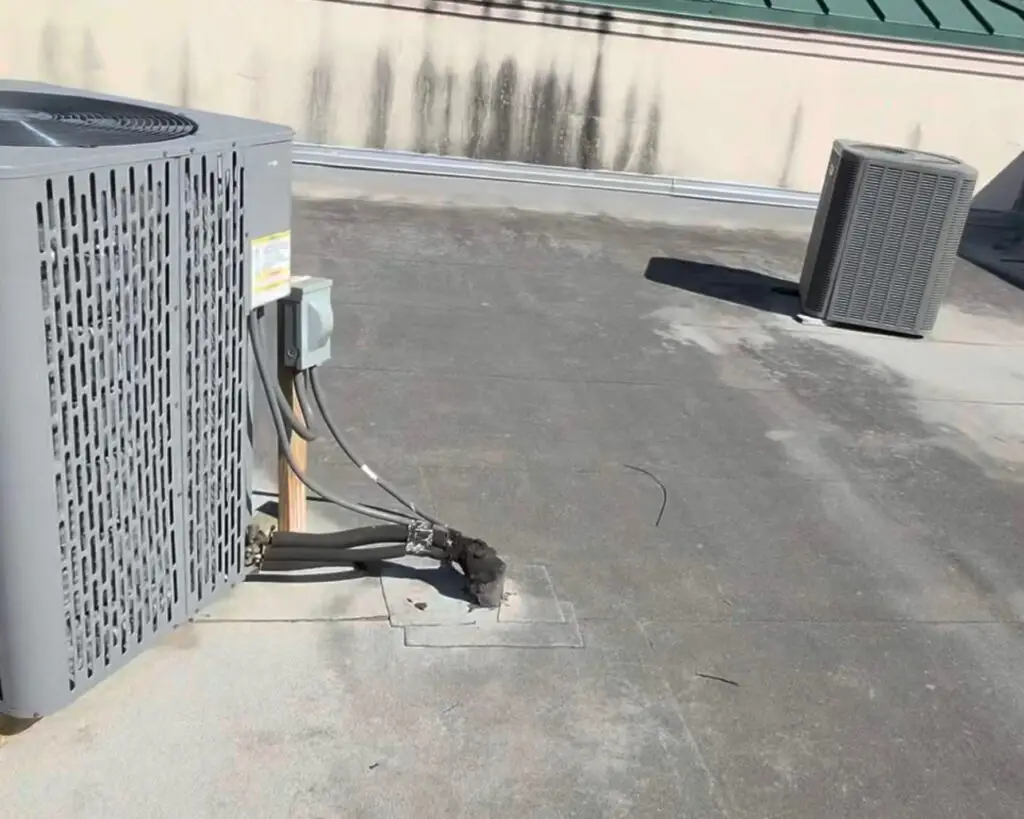
Is modified bitumen a strong commercial roof system in McAllen? Yes, often. Modified bitumen is a practical low-slope roofing choice for buildings that need durability, layered waterproofing, repairability, and better tolerance for service traffic than many owners expect. It is especially useful on apartment clubhouses, covered walkways, offices, retail properties, and low-slope roof sections where a layered asphaltic system fits the building better than a one-size-fits-all membrane recommendation.
The key is not just choosing modified bitumen. The key is matching the system to the building, drainage conditions, service traffic, and lifecycle goals. That is why this page links directly into your broader Commercial Roofing McAllen pillar and into the inspection, repair, maintenance, and replacement pages that support better owner decisions.
What Commercial Modified Bitumen Roofing Means
Commercial Modified Bitumen Roofing McAllen refers to low-slope roofing systems built with asphalt-based membranes modified with polymers to improve durability, flexibility, and performance. In commercial roofing, modified bitumen is valued because it creates a layered roof assembly that can be inspected, maintained, repaired, and managed over time rather than treated like a disposable surface.
For owners and managers, that matters. A commercial roof is not just a cover. It affects tenant satisfaction, operations, budgets, interior protection, and capital planning. Modified bitumen remains relevant because it can offer strong waterproofing performance, established repair pathways, and a durable fit for buildings where service access and long-term maintenance are part of normal operations.
For the full commercial system overview, visit Commercial Roofing McAllen.
Why Modified Bitumen Performs Well in McAllen
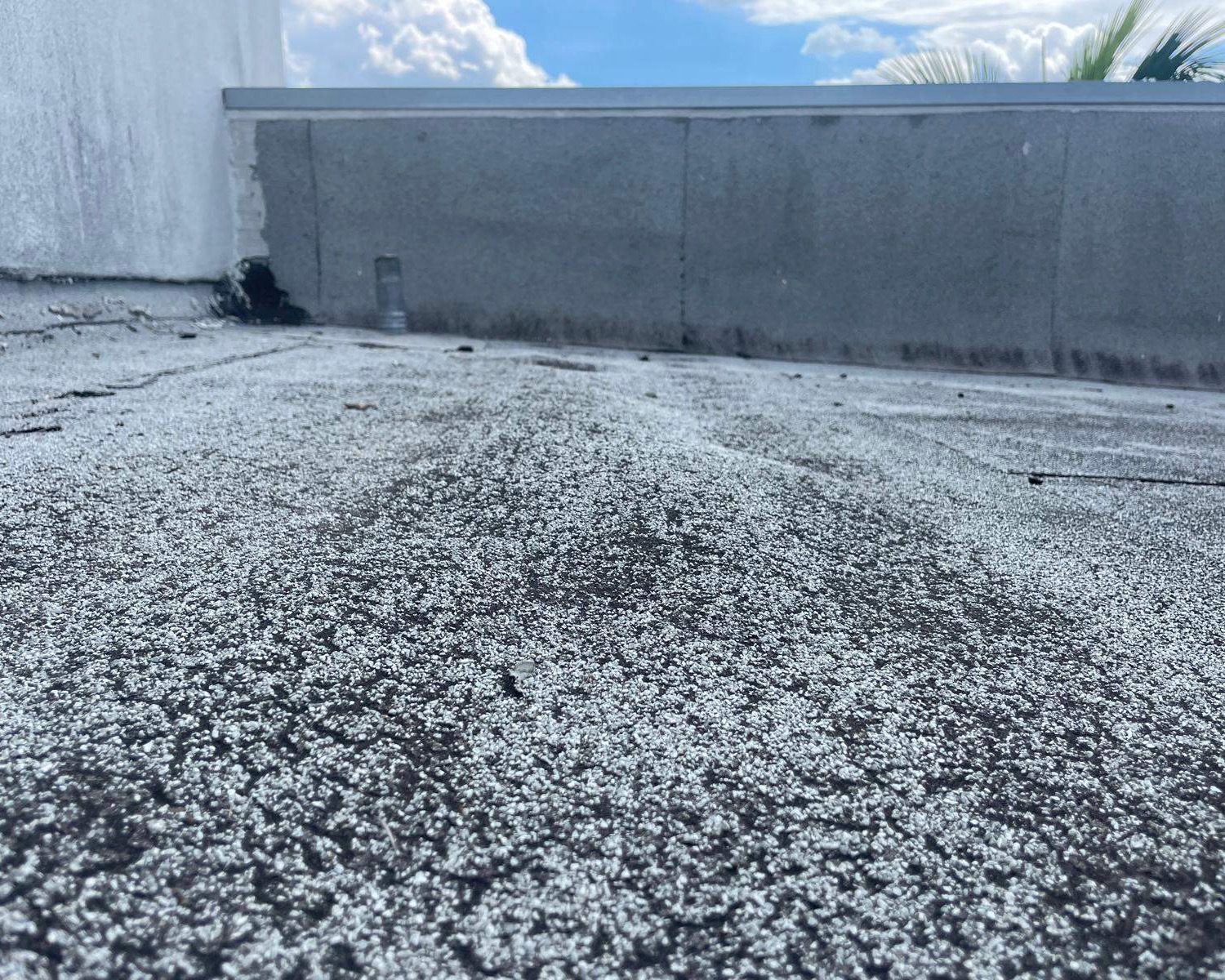
Commercial roofs in McAllen operate under intense heat, strong UV exposure, sudden heavy rain, and repeated rooftop traffic from HVAC or maintenance work. That environment punishes weak seams, poor drainage, and shortcut repairs. Modified bitumen is often a strong fit when a property needs a durable low-slope assembly that can handle real-world service conditions without becoming difficult to maintain.
- Layered construction can support long-term durability on low-slope roofs
- Strong fit for buildings with regular service access and traffic-sensitive roof areas
- Established repair pathways can help owners manage aging roofs more strategically
- Works well where waterproofing detail quality and field durability both matter
- Can be a practical option for multi-family and managed commercial properties
Modified bitumen is not automatically better than every other commercial roof system. It is better when it matches the building, the roof slope, the traffic profile, the drainage conditions, and the owner’s long-term maintenance culture. For climate-based system comparison, see Best Commercial Roof System for Texas Heat.
How Modified Bitumen Roofing Systems Work
Commercial Modified Bitumen Roofing McAllen systems are built as layered low-slope assemblies rather than a single exposed sheet only. While specific system designs vary, performance usually depends on how the substrate, insulation, base components, cap sheet, flashings, penetrations, and drainage details work together.
Substrate & Deck
The roof deck or substrate has to be sound because everything above it depends on stable support and proper preparation.
Insulation & Cover Board
Insulation strategy affects thermal performance, slope transitions, durability, and how well the full assembly resists long-term wear.
Base & Cap Layers
Modified bitumen systems are valued for layered waterproofing. That layered design is one reason the system remains attractive on many low-slope roofs.
SBS & APP Options
Owners do not need to memorize every product label, but system family and product selection do matter to performance, flexibility, and installation method.
Installation Method
Depending on product and specification, modified bitumen systems may involve self-adhered, cold-applied, hot-applied, or torch-related methods.
Drainage & Flashings
Seams, drains, scuppers, parapets, penetrations, and curb transitions usually decide whether the system performs well over time.
Where Modified Bitumen Is a Strong Commercial Roofing Choice
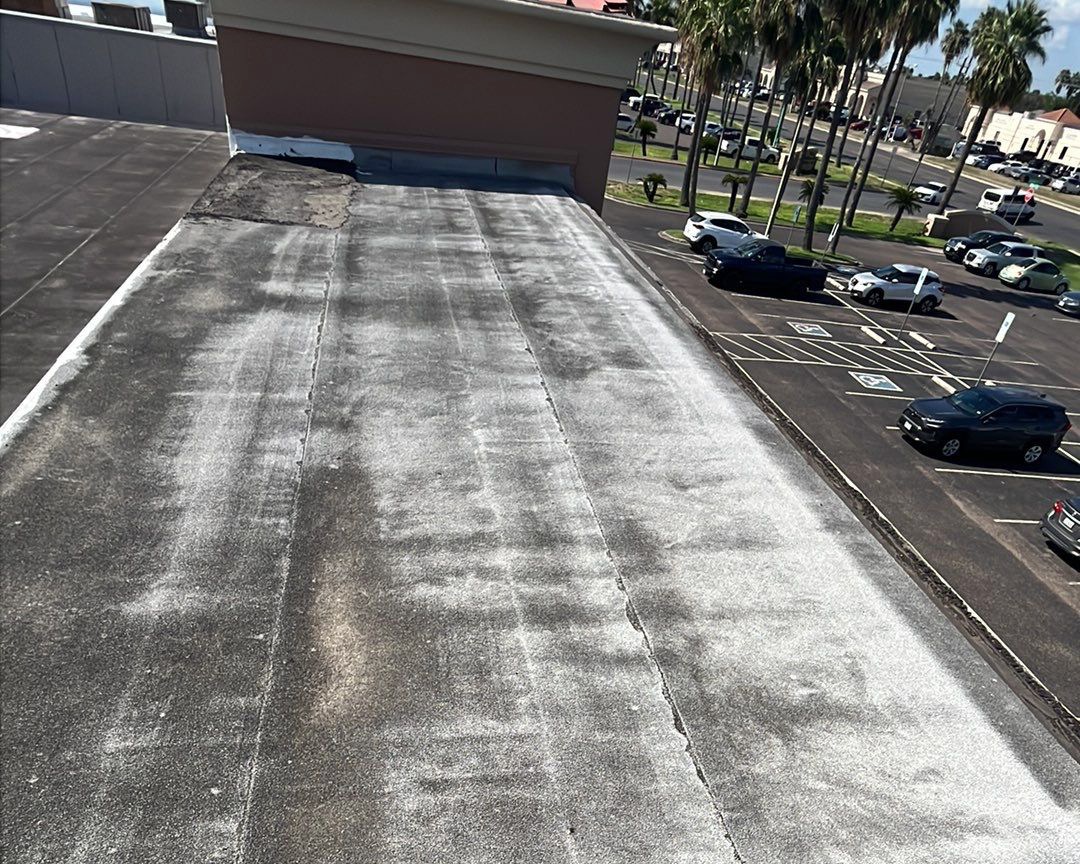
Commercial Modified Bitumen Roofing McAllen is often a strong fit for properties that need durable low-slope performance and a roof system that supports structured maintenance. It is especially useful where service access, foot traffic, phased work, and long-term planning are normal parts of ownership.
- Apartment clubhouses, leasing offices, breezeways, and covered walkway structures
- Office buildings and community buildings with low-slope roof sections
- Small retail and mixed-use commercial properties
- Churches, schools, and utility-related structures
- Commercial sections where durability and field protection matter more than trend-driven material selection
This is also why modified bitumen remains important in your commercial silo even as TPO gets more search attention. For the right property, it can be the more durable and practically maintainable choice.
Benefits of Commercial Modified Bitumen Roofing
Commercial Modified Bitumen Roofing McAllen is often chosen by owners who want durability, serviceability, and more predictable maintenance pathways on low-slope buildings.
Layered Protection
Modified bitumen systems are valued for multi-layer design, which can give owners more confidence in field durability and waterproofing performance.
Repairability
When damage is localized and the surrounding system is still serviceable, many modified bitumen roofs can be repaired strategically instead of replaced immediately.
Traffic Tolerance
Buildings with regular service traffic often benefit from a system built for real-world access and long-term inspection.
Strong Fit for Managed Assets
Owners and property managers often like modified bitumen because it supports documentation, phased planning, and a maintenance-first ownership mindset.
That benefit mix is one reason owners compare modified bitumen against Commercial TPO Roofing McAllen, Commercial Roof Coatings McAllen, and Commercial Metal Roofing McAllen instead of defaulting to a single recommendation.
Why Multi-Family Properties Often Choose Modified Bitumen
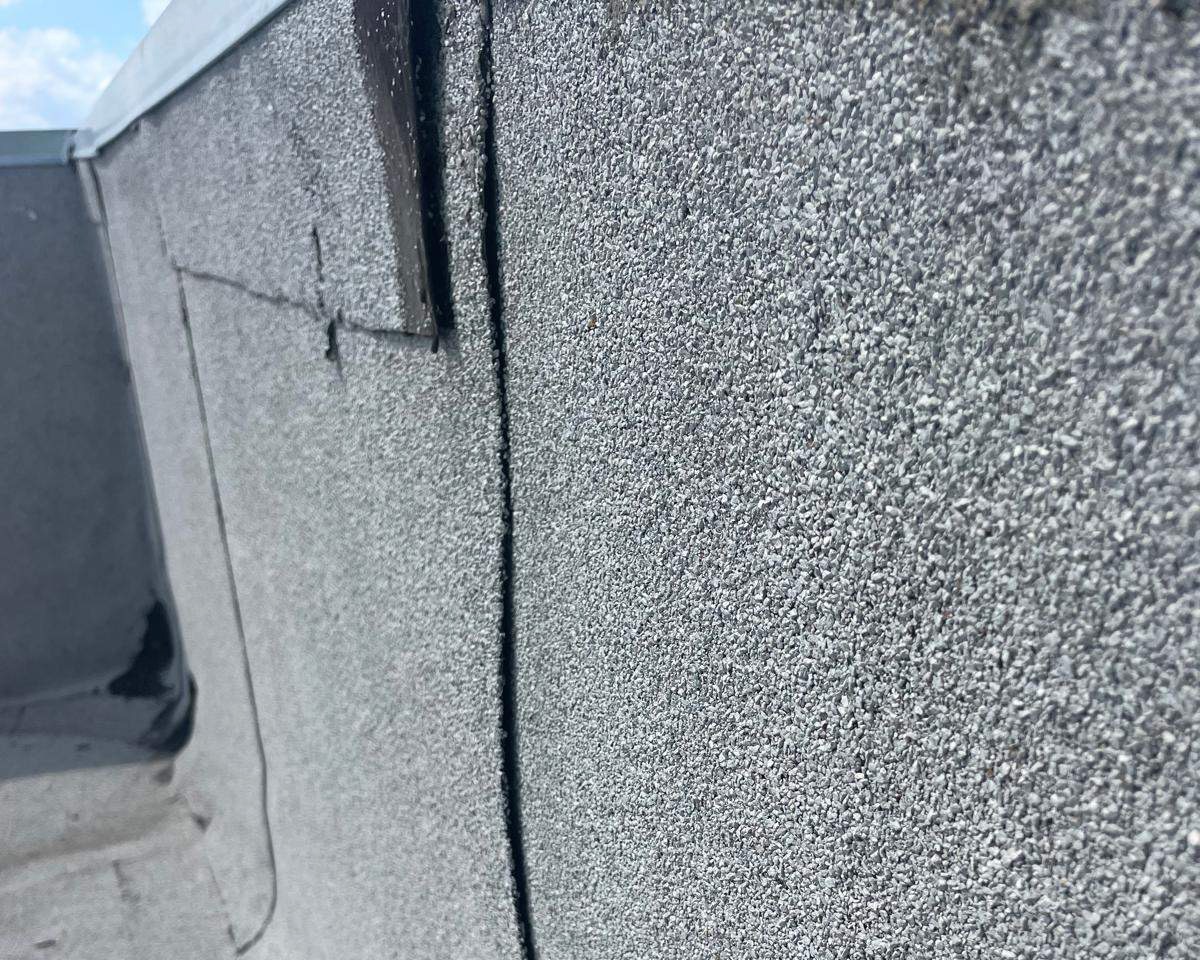
Commercial Modified Bitumen Roofing McAllen is especially relevant for multi-family and HOA-managed properties because these assets often include low-slope roof sections that need a durable, manageable system across occupied buildings. Roofing decisions on multi-family properties affect more than the roof surface. They affect tenant satisfaction, maintenance scheduling, capital planning, and the timing of future work across multiple structures.
- Low-slope common-area buildings and mixed-slope property layouts are common
- Property managers need repairability and documentation, not just material sales language
- Phased maintenance and phased replacement are easier when the system is understood clearly
- Occupancy pressure makes leak prevention and scheduling more important
- Portfolio-style ownership benefits from condition tracking across multiple buildings
Common Modified Bitumen Failure Points
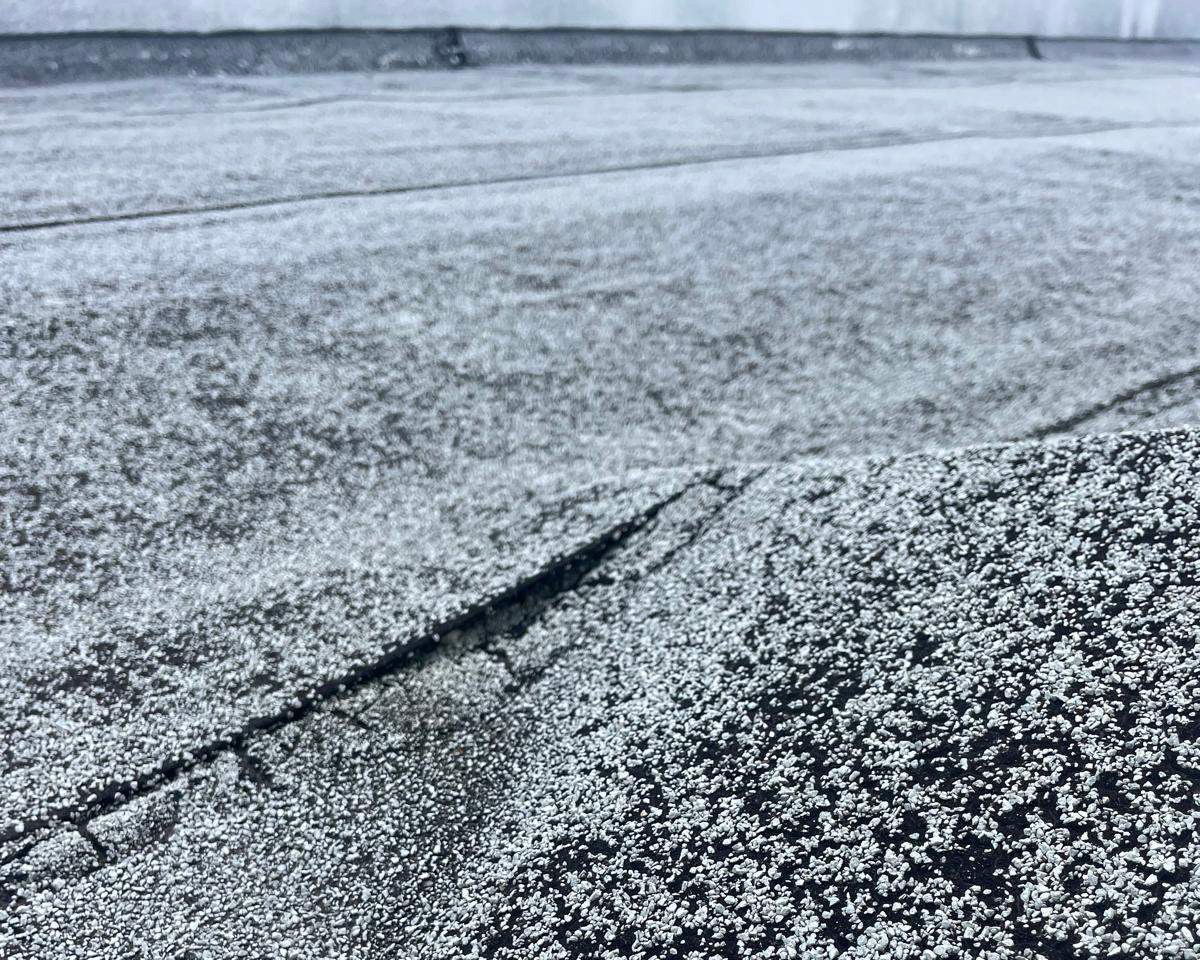
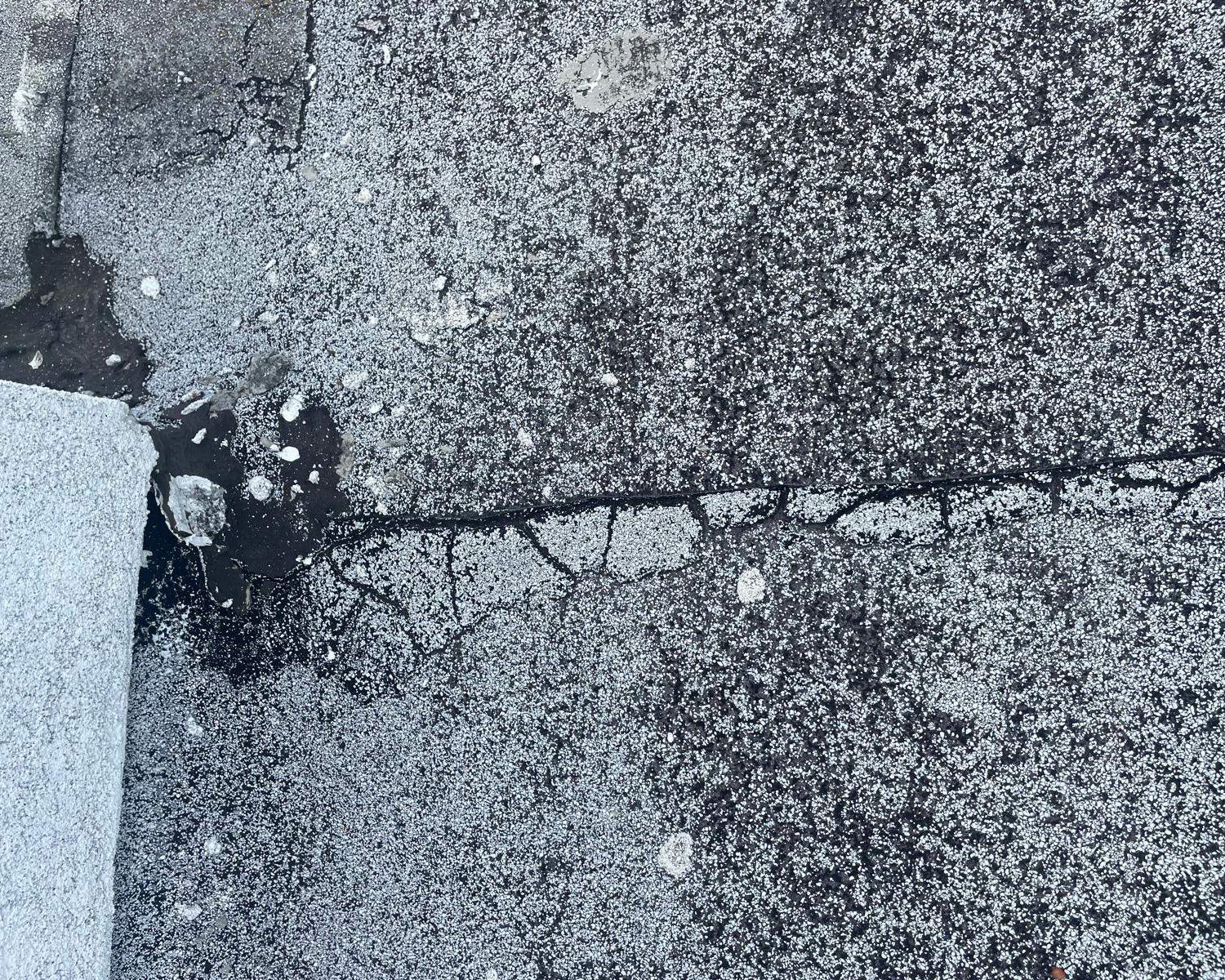
Even a durable roofing system develops trouble when drainage is poor, details are weak, or prior repairs were handled incorrectly. Commercial Modified Bitumen Roofing McAllen issues usually begin at transitions and stress points before they become broad roof-wide failures.
Open Laps or Seam Stress
Laps, seams, and tie-ins can weaken over time if drainage, movement, or repair quality has been poor.
Flashing Failures
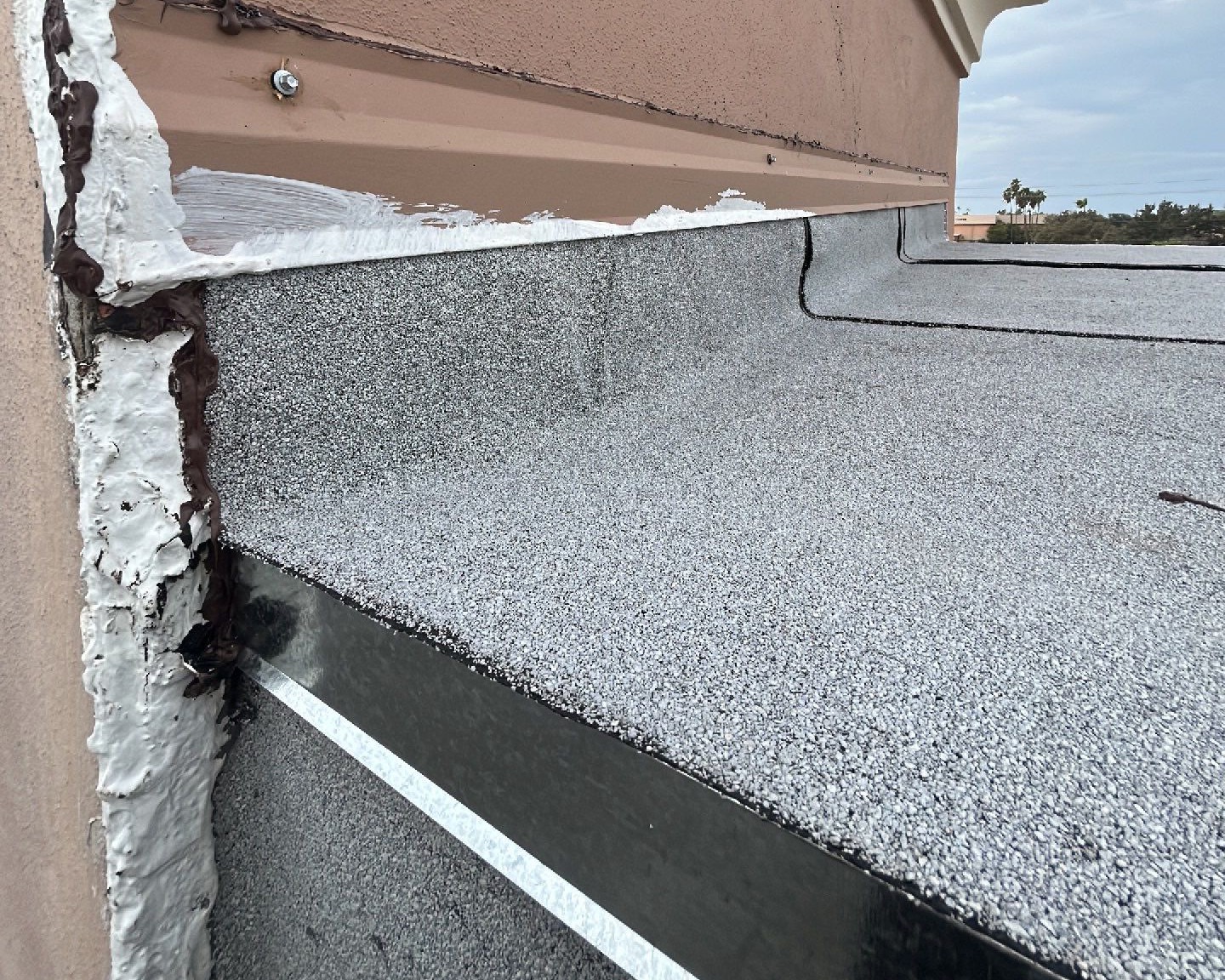
Wall flashings, curbs, parapets, and penetrations are some of the first places where water gets a way in.
Drainage Problems
Ponding and slow drainage increase long-duration stress on seams, flashings, and nearby surface areas.
Traffic Damage
Repeated service work can wear vulnerable roof zones faster if access paths and details are not protected.
Bad Prior Repairs
Patches that ignore drainage or transition issues often fail again because the real cause was never corrected.
Age-Related Wear
Older roofs may begin to show fatigue across several details at once, which changes the repair-versus-replacement conversation.
If active leaking is already happening, start with Commercial Roof Leak Repair McAllen. If ponding is part of the problem, see Commercial Ponding Water Repair McAllen.
Commercial Modified Bitumen Roof Inspection Process
A professional Commercial Modified Bitumen Roofing McAllen inspection should determine more than whether the roof leaked. It should establish why the roof is vulnerable, whether the issue is localized or systemic, and what the best next step is for repair, maintenance, restoration, or replacement planning.
- Condition review of the cap sheet, field areas, and visible wear patterns
- Inspection of laps, seams, penetrations, drain bowls, scuppers, and transitions
- Review of ponding areas, slow-drain zones, and drainage layout
- Assessment of flashings, parapets, curbs, and perimeter details
- Evaluation of prior repair areas and whether they remain integrated
- Photo documentation to support ownership decisions and service history
Inspection should always connect findings to decision-making. A roof that is repairable should not be oversold into replacement. A roof that is failing system-wide should not be kept in patch mode forever. Learn more at Commercial Roof Inspection McAllen.
Commercial Modified Bitumen Roof Repairs
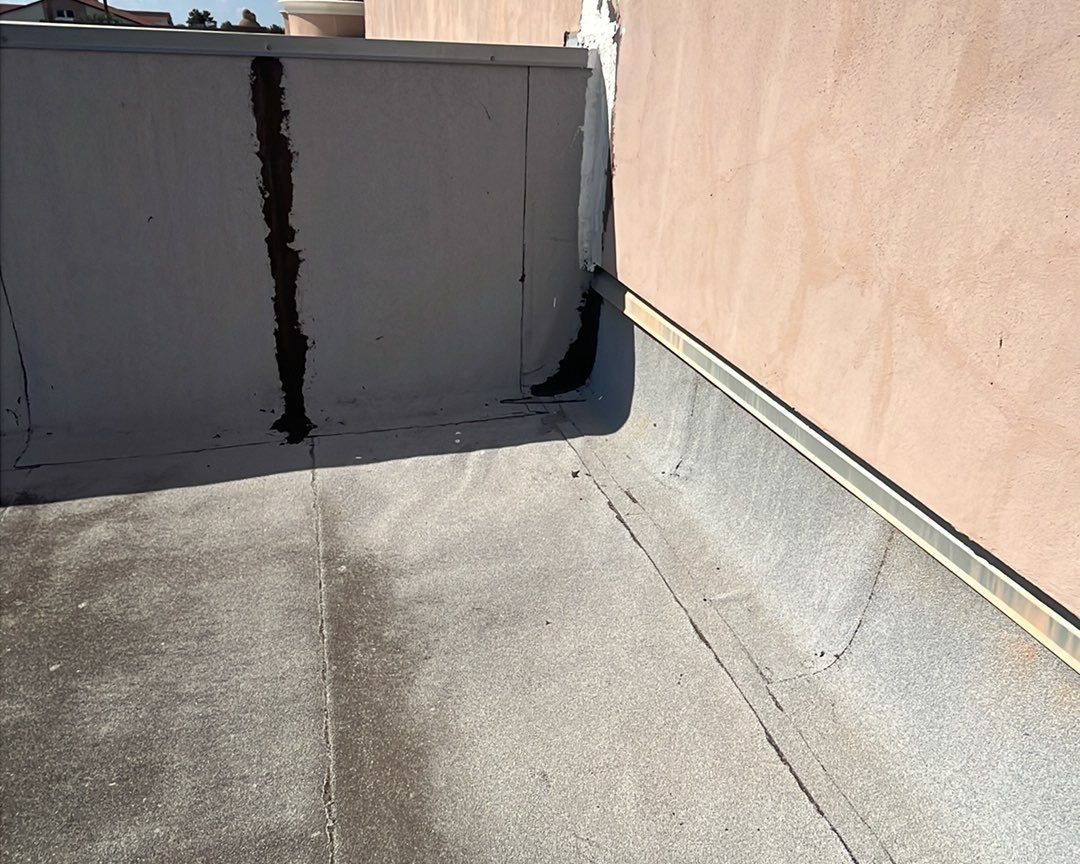
Commercial Modified Bitumen Roofing McAllen repairs should focus on the actual failure point, not just the visible symptom. A good repair plan identifies why the roof is leaking or wearing, corrects the affected detail, and determines whether the surrounding roof is still dependable enough to stay in service.
Common Repair Situations
- Localized seam or lap reinforcement
- Flashing repair around walls, curbs, and penetrations
- Drain tie-in corrections and detail rebuilding
- Patching isolated damaged field areas
- Correcting repeat trouble spots after inspection and documentation
What Good Repair Really Does
- Restores performance where the roof is still serviceable
- Reduces repeat leak calls caused by the same overlooked detail
- Creates better clarity for ownership and maintenance planning
- Helps determine whether broader system work is still avoidable
For broader support, see Commercial Roof Repair McAllen and Commercial Roof Leak Repair McAllen.
Repair vs Coating vs Replacement
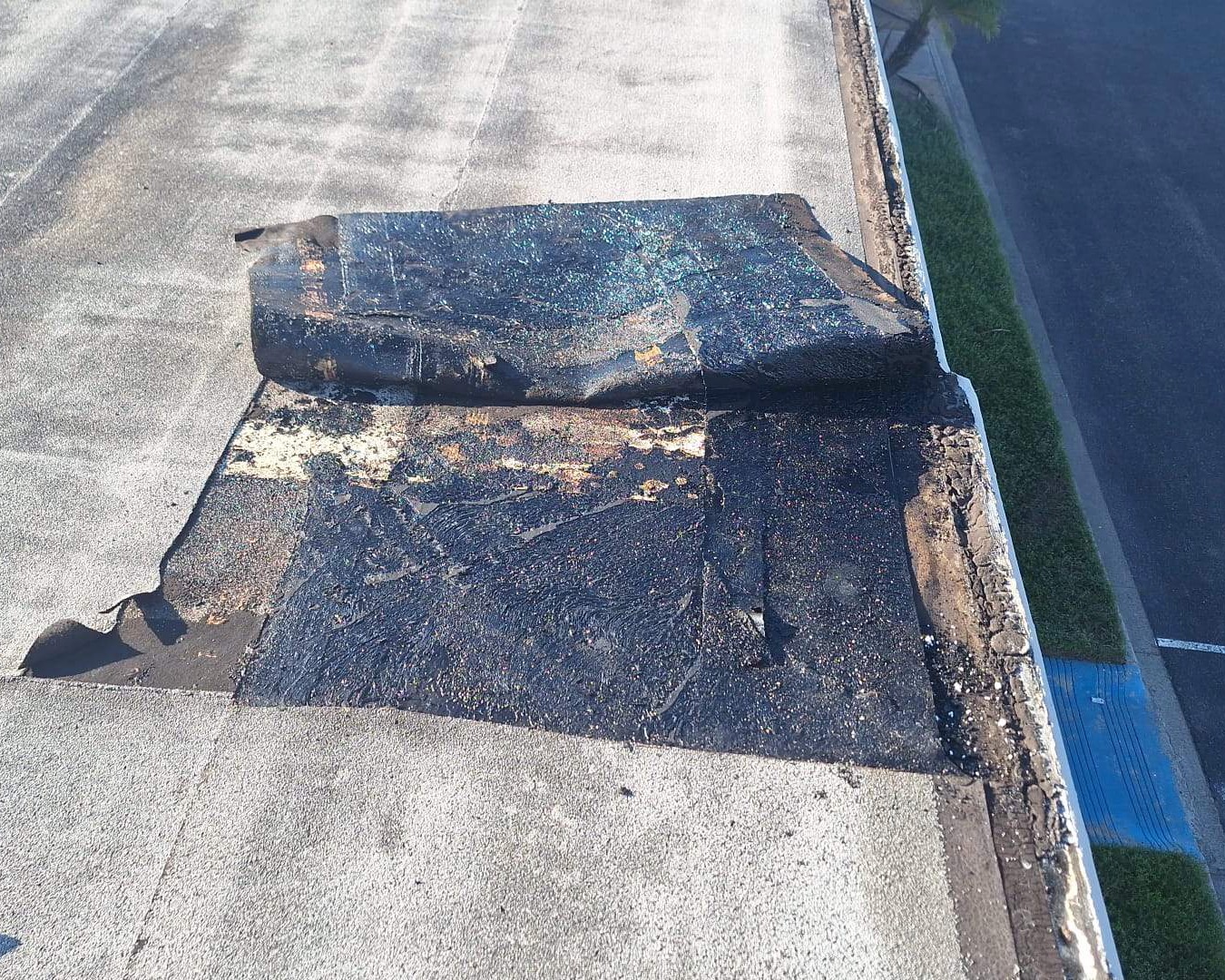
One of the most important owner decisions is not whether modified bitumen is good. It is what to do with the modified bitumen roof already on the building. Some roofs need detail-level repair. Some roofs may be candidates for restoration. Some roofs are no longer predictable enough to justify repeated patching.
Repair Makes Sense When
The issue is localized, the surrounding roof remains sound, drainage can be managed, and the work restores dependable performance.
Coating May Make Sense When
The existing roof is still a real restoration candidate and inspection confirms that the system condition supports a coating strategy.
Replacement Makes Sense When
Leaks are recurring, multiple roof areas are failing, moisture spread is likely, or repeated repair spend is no longer creating confidence.
Explore Commercial Roof Coatings McAllen and Commercial Roof Replacement McAllen for the next-step paths that support this decision.
Modified Bitumen vs Other Commercial Roof Systems
Commercial Modified Bitumen Roofing McAllen is a strong low-slope option, but it should be compared to realistic alternatives based on building use, drainage, traffic, and ownership goals.
Modified Bitumen vs TPO
TPO is often selected for reflectivity and welded seam performance, while modified bitumen is often valued for layered durability and established repair pathways. Compare with Commercial TPO Roofing McAllen.
Modified Bitumen vs Coatings
A coating may be a restoration strategy on a qualifying roof, but it is not the same thing as a new or rebuilt modified bitumen assembly. See Commercial Roof Coatings McAllen.
Modified Bitumen vs Metal
Metal can be the better fit where slope, panel design, and long-term service strategy point in that direction. Review Commercial Metal Roofing McAllen.
Modified Bitumen vs Mixed-Slope Shingle Sections
Some apartment communities and mixed-use properties also have steeper sections where shingles play a role. See Commercial Asphalt Shingle Roofing McAllen.
For broader comparison across the McAllen climate, review Best Commercial Roof System for Texas Heat.
Cost Factors for Commercial Modified Bitumen Roofing
Commercial Modified Bitumen Roofing McAllen cost depends on far more than square footage. The total budget is shaped by the existing roof condition, system design, detail complexity, and how much corrective work the building actually needs.
- Roof size, layout, and number of penetrations
- Existing system condition and tear-off requirements
- Drainage corrections and low-area work
- Insulation package and cover board decisions
- Attachment method and detail complexity
- Occupied-building logistics and project phasing
- Whether the scope is repair, restoration, or full replacement
The real owner question is not just price. It is value: which scope best reduces repeat callbacks, protects the building, and supports long-term roof planning. For budgeting context, visit Commercial Roofing Cost McAllen.
Preventative Maintenance for Modified Bitumen Roofs
Commercial Modified Bitumen Roofing McAllen performs best when the system is treated as a managed asset instead of an emergency-only problem. Preventative maintenance helps owners catch weak details before they become active leaks and gives managers better budget control over time.
- Annual or semi-annual inspections depending on the property
- Post-storm condition checks and photo documentation
- Drain and scupper cleaning
- Monitoring of seams, flashings, and penetrations
- Tracking repeat issue zones by building or roof section
- Using documentation to guide phased work and capital timing
For local maintenance planning, see Commercial Roof Maintenance McAllen. For broader industry education, property teams can also review NRCA.
Storm Damage, Documentation, and Modified Bitumen Roof Risk
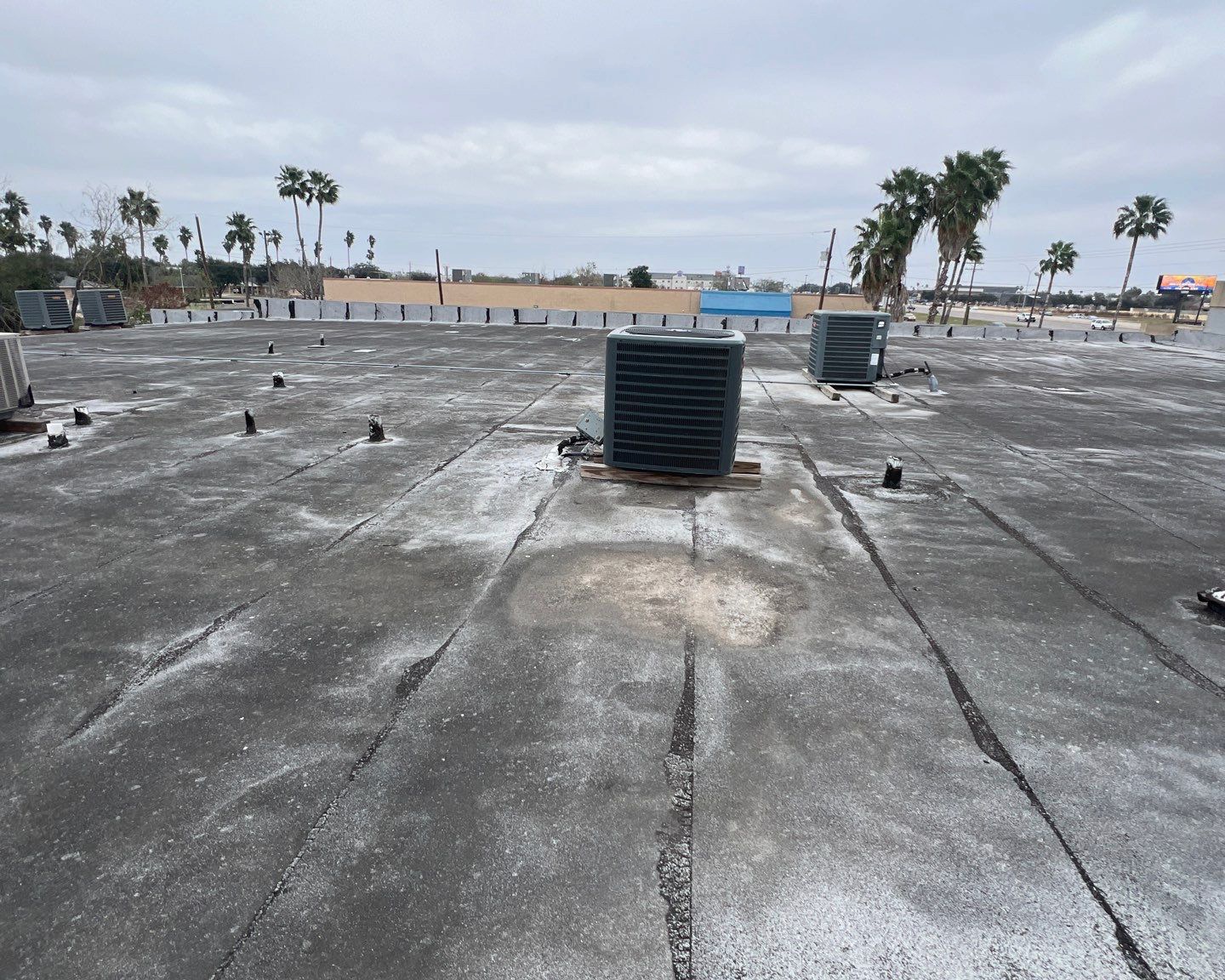
Wind, debris, and sudden heavy rain can expose weak modified bitumen details fast, especially around edges, parapets, penetrations, and low-drainage areas. Storm response should start with safe inspection, photo documentation, and a practical decision about whether the roof needs targeted repair, broader corrective work, or replacement planning.
Documentation matters even more on larger properties because managers and owners may need to review findings across several roof sections or several buildings. Good documentation supports insurance conversations, internal approvals, and faster decisions based on actual conditions instead of assumptions.
For local storm support, see Commercial Storm Damage Repair McAllen. For owner education, you can also review the Texas Department of Insurance.
Why Choose Marva Roofing for Commercial Modified Bitumen Roofing McAllen
- Family-owned and veteran-owned company serving the Rio Grande Valley
- Commercial-first approach to low-slope and managed-property roofing
- Strong fit for apartment, multi-family, office, retail, and community buildings
- Inspection-driven recommendations instead of one-size-fits-all sales language
- Clear documentation for owners, managers, boards, and maintenance teams
- Repair, replacement, and maintenance guidance built around long-term performance
At Marva Roofing, we approach Commercial Modified Bitumen Roofing McAllen like a real asset-management decision. The goal is not just to sell a roof. It is to help owners protect the building, reduce surprise costs, and make better roof decisions over time. For the full service overview, visit Commercial Roofing McAllen.

Related Commercial Roofing Resources
Frequently Asked Questions About Commercial Modified Bitumen Roofing McAllen
Is modified bitumen a good roof system for McAllen commercial buildings?
Yes, it is often a strong fit for low-slope buildings that need durability, repairability, and a system that supports long-term maintenance planning.
What kinds of buildings use modified bitumen roofing?
Modified bitumen is commonly used on apartment clubhouses, office buildings, retail properties, churches, schools, utility structures, and other low-slope commercial roof sections.
Can a modified bitumen roof be repaired instead of replaced?
Yes. Many modified bitumen roof issues can be repaired when the damage is localized and the surrounding roof remains serviceable.
Can a modified bitumen roof be coated?
Sometimes. A coating may be a good restoration option if the roof qualifies, but not every aging modified bitumen roof is a strong coating candidate. Inspection determines suitability.
Why are seams, drains, and penetrations so important on low-slope roofs?
Because those details usually decide whether the system remains watertight. Many commercial roof leaks begin at transitions and stress points rather than random open areas.
How often should a modified bitumen roof be inspected?
Most properties benefit from at least annual inspection and post-storm follow-up. Roofs with frequent traffic, known ponding, or recurring issues may need more frequent review.
Is modified bitumen a strong fit for multi-family properties?
Yes. Many multi-family properties use modified bitumen on low-slope sections because it supports durability, repairability, documentation, and phased management across occupied buildings.
Protect Your Property with Commercial Modified Bitumen Roofing McAllen
If you own or manage an apartment complex, office building, retail center, church, or other low-slope commercial property in McAllen, the right modified bitumen roof strategy can protect your building, reduce operating pressure, and support better long-term decisions. Start with a professional inspection and get clear guidance on repair, restoration, maintenance, or replacement.
Request a Modified Bitumen Inspection Explore Replacement Options
 Marva Roofing
7207 E Curry Rd, Edinburg
-
Thank you Marva for fixing the Facia and soffit to my house. I appreciate your customer service and professional assistance explaining the repairs. If you are looking for repairs for your roof call Marva they did an awesome job for my home. … More
-
Marva roof did an excellent job installing our roof. They were quick and efficient. Excellent customer service!
-
I had my roof replaced by MARVA roof. They worked very efficiently and were attentive to my questions and concerns. I give them a 5 star rating for the integrity behind their work. What George said He would do for Ne He did. Many many … More take advantage of females for their lack of knowledge but I trusted His work and I’m very satisfied
-
I recently had to have a repair on my roof. This company did an amazing job. They are knowledgeable and caring. I will be using them for all my roofing needs and you should too!!! Thank you Jessica and the entire team.
-
Great service. Marva explained everything they were going to do to replace my roof and insulate our home. The guys did an awesome job and quick! They even came out two days earlier to start the work. The roof looks awesome. Totally satisfied. … More
-
Marva Roofing was the best choice for me. The process from site visit, quoting and work completion was great. Not to mention when the workers were onsite they work hard and were able to finish on time and work was done correctly. We have … More had several thunderstorms come through since roof was repaired and no leaks to this day. Awesome Job!!!!!
-
I cannot recommend them highly enough. We were set to close on a house purchase from out of state and our realtor led us to believe everything was in order. When we came to do the final walk-through the day before signing, we noticed several … More shingles missing and were concerned because in the photos the roof appeared to be pristine. We followed up with Marva roofing who said they had given the realtor the information that the house needed a new roof but the realtor declined giving us that information saying to only put on the report the cost of flashing repair. When I saw the shingles missing I called Marva directly rather than going through the realtor and learn this information. Marva roofing saved us thousands of dollars by being honest about the state of the roof and the cost of potential repairsamazingly, Marva did this estimate for FREE after our regular home inspection recommended a roofer to look specifically at the roof. So essentially they saved us from a money pit without any gain for themselves at all. They seem like honest and reliable people and I cannot recommend them highly enough. Marva roofing, if you read this review, please let me know how we can repay you for this amazing service.
-
We hired Marva to replace our roof. They were great to work with, gave us a very clear and detailed estimate, and completed the work quickly. There were a couple of issues that came up, which they clearly explained, so there was no problem … More overall. There was still some minor debris left in the yard when done, which they offered to come and clean up (I told them I would do it), but they cleaned up 99% from their work. Would strongly recommend.


