Commercial TPO Roofing McAllen
Commercial TPO Roofing McAllen is one of the smartest solutions for commercial property owners, apartment complex operators, and multi-family managers looking for an energy-efficient, durable, and cost-conscious roofing system for flat and low-slope buildings. In South Texas, heat, UV exposure, standing water, and storm activity can shorten the life of the wrong roof system fast, which is why TPO continues to be one of the strongest commercial roofing options in McAllen.
At Marva Roofing, we help property owners and managers choose, repair, replace, and maintain TPO roof systems with a contractor-focused approach built around long-term performance, roof asset protection, and clear recommendations.
Schedule Free Roof Inspection Explore Commercial Roof RepairTable of Contents
- What Is Commercial TPO Roofing
- Why TPO Performs Well in McAllen
- Benefits of Commercial TPO Roofing
- Why Multi-Family Properties Benefit from TPO
- Commercial TPO Roof Repairs
- Commercial TPO Roof Inspection Process
- Repair vs Replacement Decision Guide
- Cost Factors for Commercial TPO Roofing
- Preventative Maintenance for TPO Roofs
- Why Choose Marva Roofing
- Frequently Asked Questions
What Is Commercial TPO Roofing
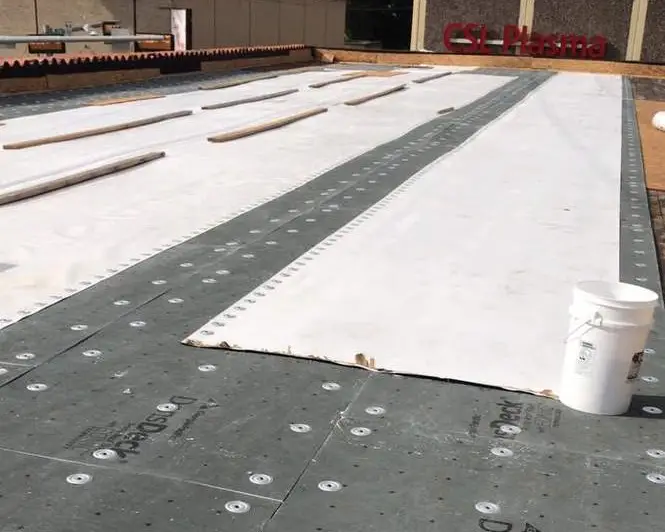
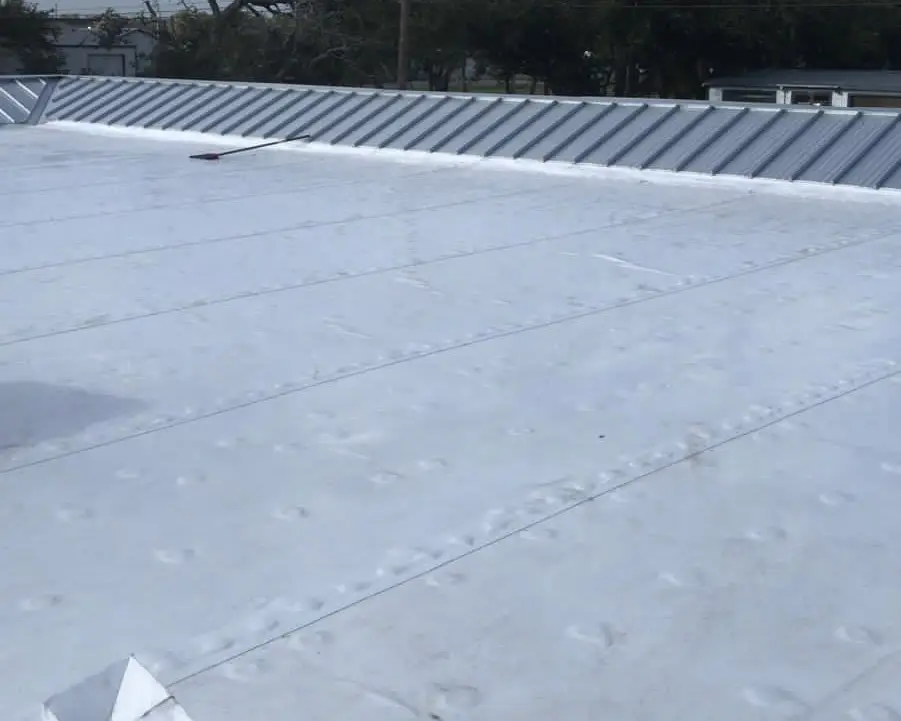
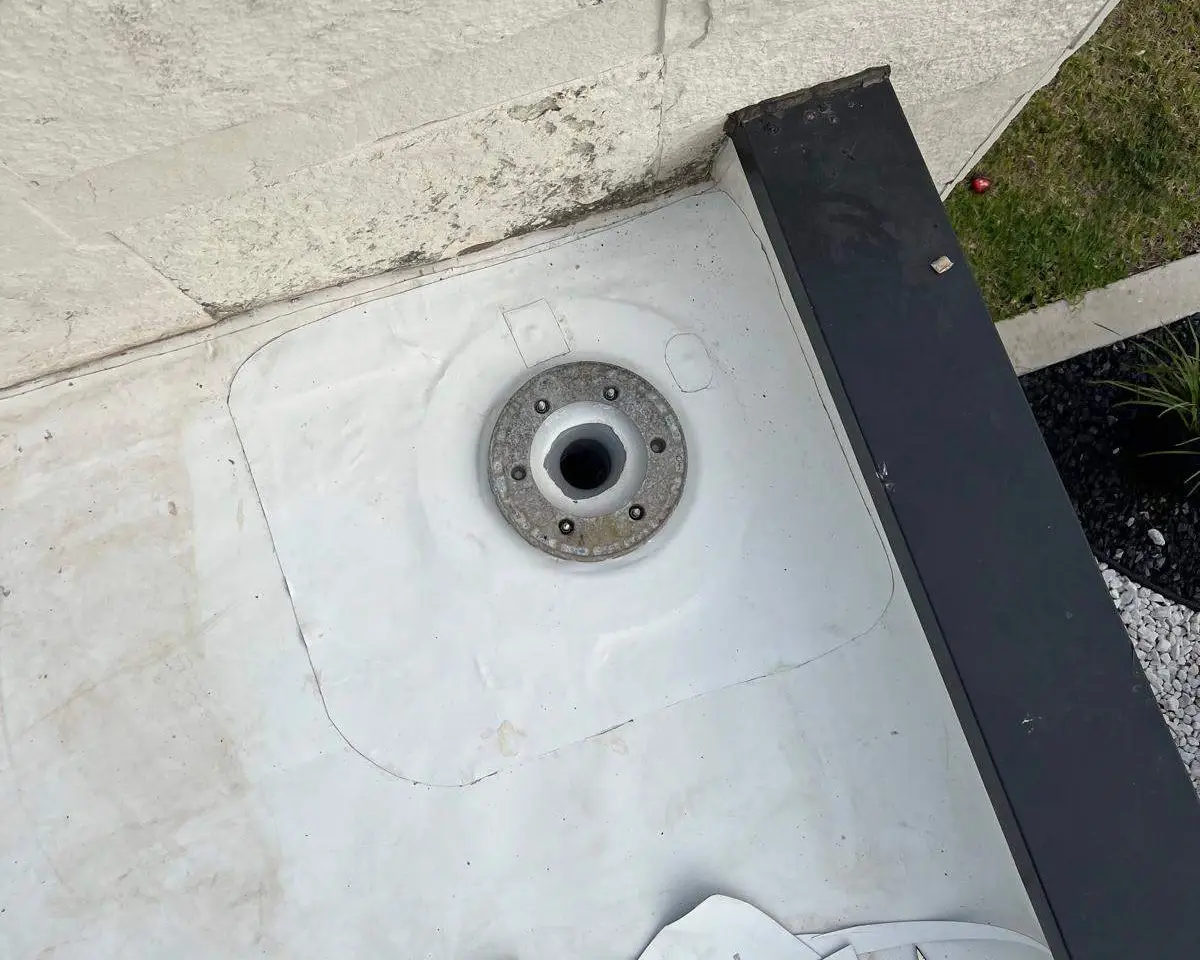
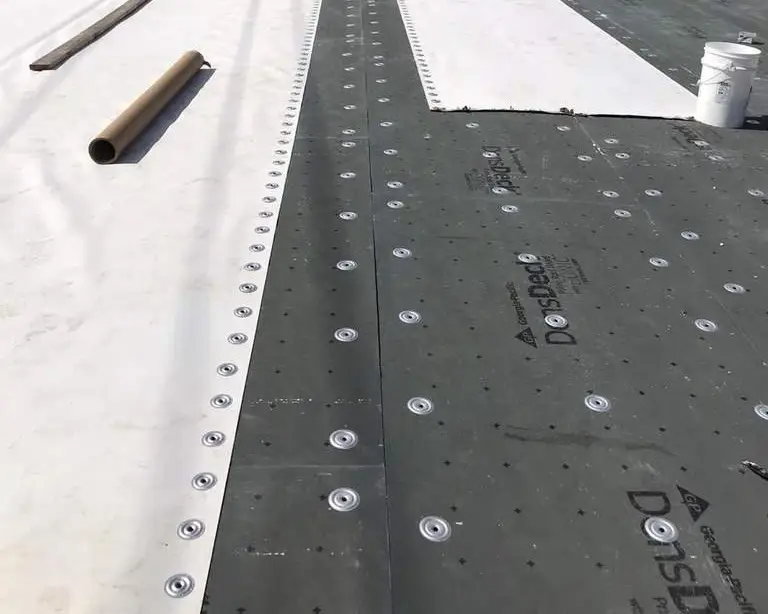
Commercial TPO Roofing McAllen refers to thermoplastic polyolefin roofing systems installed on flat and low-slope commercial buildings. TPO is a single-ply roofing membrane known for its reflective white surface, welded seams, and strong performance on a wide range of commercial properties.
TPO systems are commonly used on office buildings, warehouses, retail centers, medical buildings, churches, industrial properties, and apartment complexes because they can deliver strong waterproofing performance while also helping reduce heat absorption. In a market like McAllen, where long stretches of heat and sun are part of the roofing reality, that matters.
When installed correctly, a TPO roofing system can create a clean, efficient, and serviceable roofing surface that supports both immediate protection and long-term building management goals.
Why TPO Performs Well in McAllen
Commercial TPO Roofing McAllen has become increasingly popular because the system aligns well with South Texas weather conditions. McAllen roofs are exposed to intense heat, UV radiation, sudden storms, wind-driven rain, and long cooling seasons. TPO is often selected because of its reflectivity, seam performance, and compatibility with low-slope commercial roof design.
- Reflective surface can help reduce rooftop heat gain
- Heat-welded seams create strong waterproof connections
- TPO works well on many flat and low-slope buildings
- It can be a cost-effective option for large roof areas
- It is often easier to maintain than older commercial systems
That does not mean every TPO roof performs the same. Product quality, insulation design, installation quality, rooftop traffic, drainage planning, and repair history all affect performance. That is why material choice and workmanship both matter.
Benefits of Commercial TPO Roofing
Commercial TPO Roofing McAllen is often chosen by owners and managers who want a balance of performance, efficiency, and budget control. For many commercial buildings, TPO offers a practical combination of durability and long-term value.
Energy Efficiency
The reflective surface can help reduce solar heat absorption, which can support cooling efficiency on some buildings.
Seam Strength
Heat-welded seams are one of the biggest strengths of TPO systems when installed correctly.
Clean Appearance
TPO roofs can provide a clean, modern look that fits many commercial properties.
Serviceability
When damage occurs, many TPO systems can be professionally repaired rather than immediately replaced.
Property owners also compare TPO against other systems such as Commercial Metal Roofing McAllen and Commercial Asphalt Shingle Roofing McAllen depending on slope, structure, and building use.
Why Multi-Family Properties Benefit from TPO
Commercial TPO Roofing McAllen is especially attractive for multi-family properties because apartment complexes and similar assets need roofing systems that are efficient, manageable, and scalable across larger roof areas. Multi-family ownership is not just about stopping leaks. It is about preserving occupancy, minimizing disruption, and making capital decisions that protect the property as a whole.
- Large flat and low-slope sections are common on multi-family buildings
- Energy efficiency matters more across repeated occupied units
- Maintenance strategy is easier when the roof system is standardized
- Repairs can often be coordinated by section or building
- Long-term planning matters for ownership groups and investors
Commercial TPO Roof Repairs
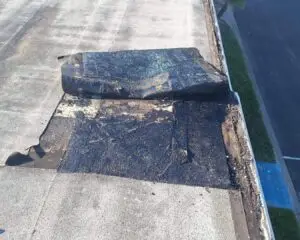
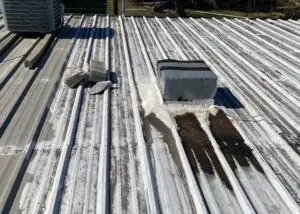
Even a strong roofing system needs service over time. Commercial TPO Roofing McAllen repairs may be needed because of punctures, seam separation, flashing failure, poor drainage, storm damage, rooftop traffic, or age-related wear. The key is identifying whether the issue is isolated and repairable or whether it points to larger system failure.
- Punctures from dropped tools, service traffic, or debris
- Open or weakened seams
- Damage around penetrations and rooftop equipment curbs
- Edge or flashing detail failure
- Leaks related to ponding water or drainage issues
Repair recommendations should always be tied to actual field conditions. For related service support, visit Commercial Roof Repair McAllen and Commercial Roof Leak Repair McAllen.
Commercial TPO Roof Inspection Process
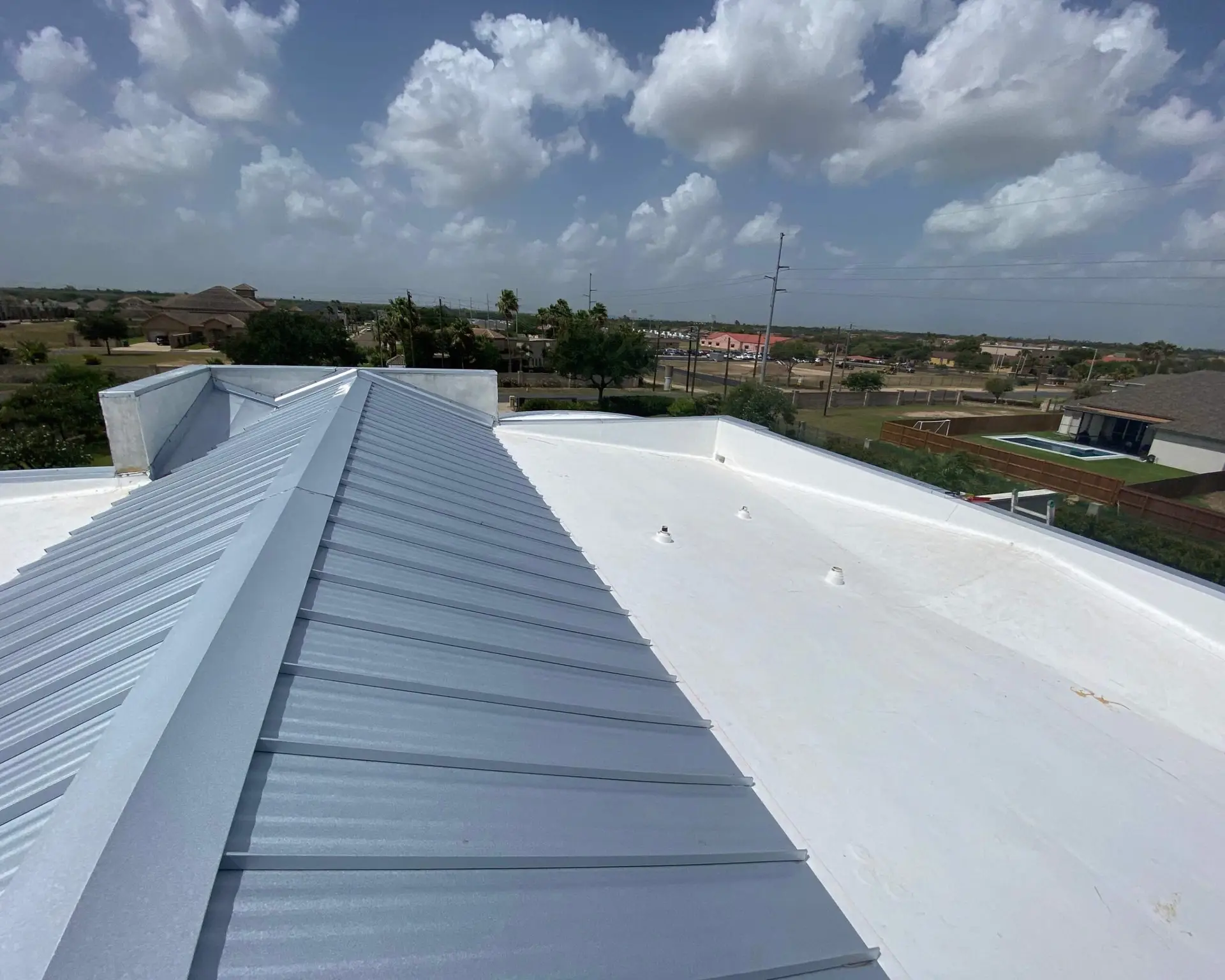
A proper Commercial TPO Roofing McAllen inspection does more than confirm whether the roof leaked. It evaluates the condition of the membrane, the welded seams, flashing details, rooftop penetrations, drainage performance, insulation concerns, and visible wear patterns across the roof system.
- Membrane condition and puncture review
- Seam integrity and weld performance
- Drainage paths and ponding areas
- Flashing and perimeter detail inspection
- Roof-mounted equipment transitions
- Signs of moisture intrusion or aging
Routine inspections are especially important for property managers responsible for multiple buildings or occupied units. Learn more at Commercial Roof Inspection McAllen.
Repair vs Replacement Decision Guide
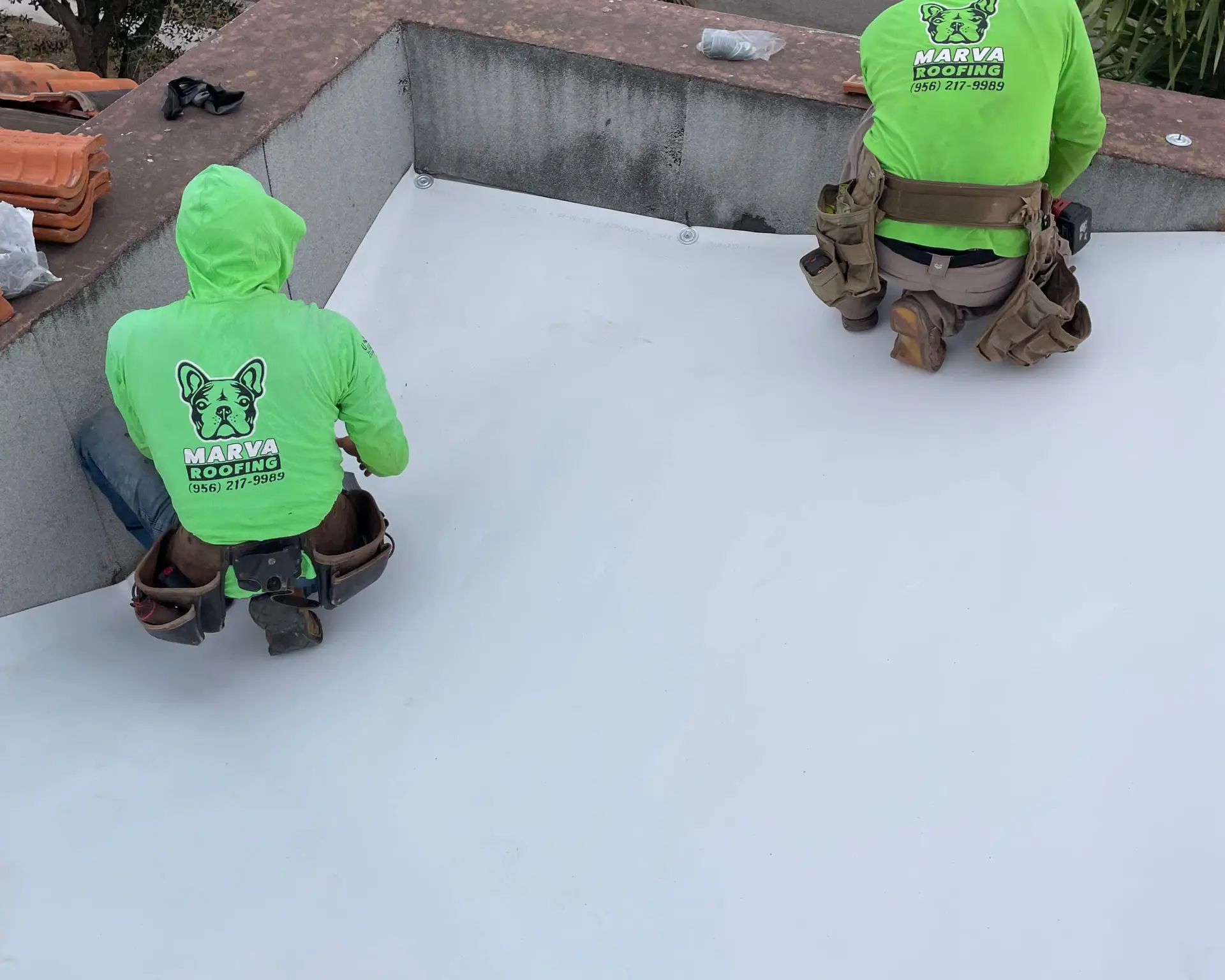
Not every TPO issue means the roof must be replaced. Commercial TPO Roofing McAllen decisions should be based on age, repair history, overall membrane condition, seam reliability, insulation concerns, and how much useful life remains in the current system.
Repair May Make Sense When
- The issue is isolated and clearly identifiable
- The roof still has solid remaining service life
- The seams and field membrane remain broadly sound
- The repairs can restore performance reliably
Replacement May Make Sense When
- Leaks are recurring across multiple areas
- The membrane is aging out or failing widely
- Wet insulation or substrate concerns are present
- Repeated repairs are no longer cost-effective
If a broader solution is needed, see Commercial Roof Replacement McAllen.
Cost Factors for Commercial TPO Roofing
Commercial TPO Roofing McAllen pricing depends on more than roof size alone. Owners and managers should evaluate the total roof assembly, not just the membrane itself. Insulation type, attachment method, number of penetrations, tear-off needs, deck conditions, edge detail complexity, access, and project staging all influence cost.
- Size and layout of the roof area
- Insulation requirements and code considerations
- Mechanically attached versus fully adhered design
- Existing roof removal needs
- Drainage improvements or detail upgrades
- Occupied-building logistics and project phasing
For multi-family owners, the lowest price is not always the best long-term value. The better question is whether the system design and installation plan will reduce future callbacks, extend service life, and support ongoing asset management.
Preventative Maintenance for TPO Roofs
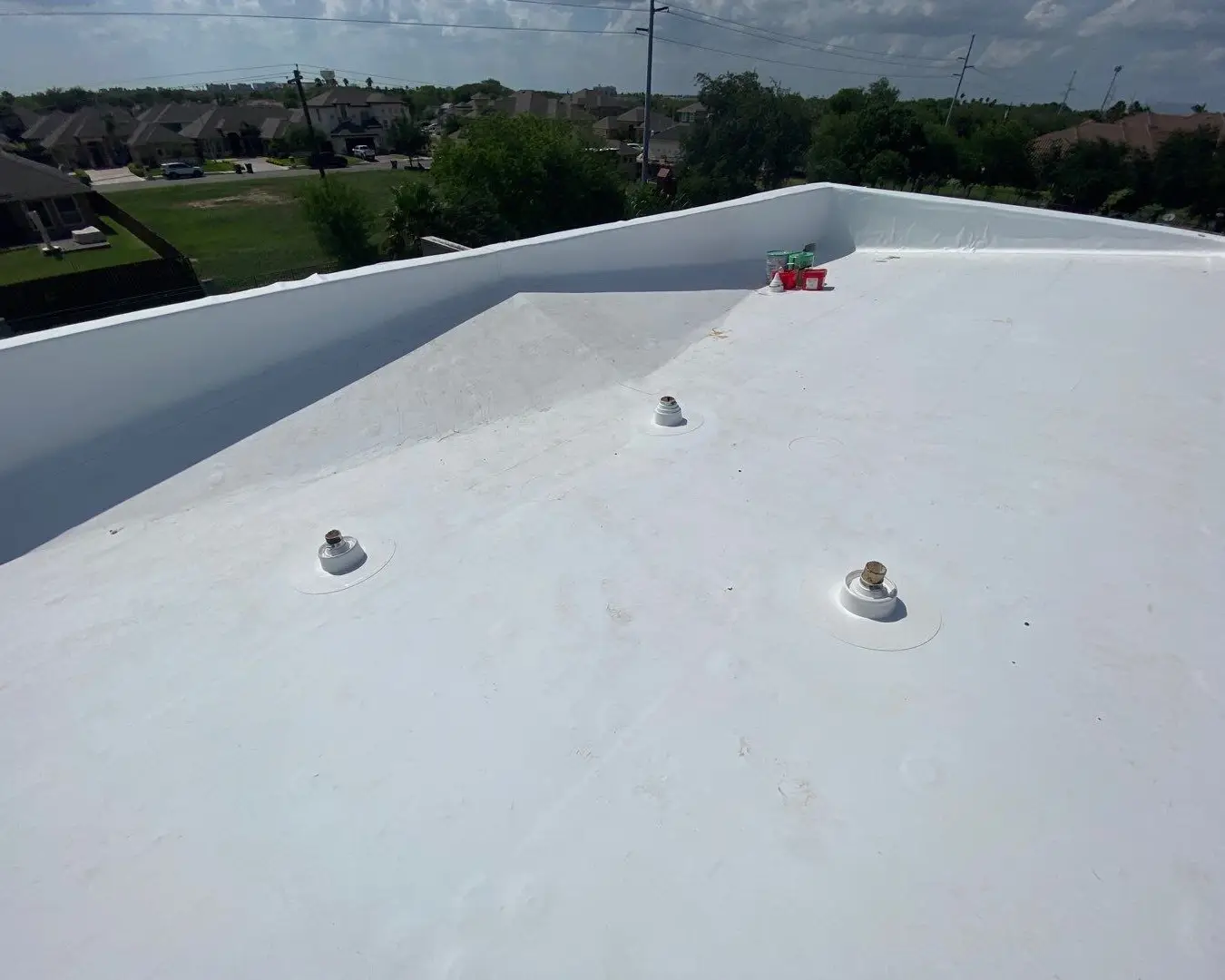
Commercial TPO Roofing McAllen performs best when owners treat the roof like a managed asset instead of waiting for leaks to force action. Preventative maintenance protects the membrane, keeps drainage working, identifies wear early, and helps avoid more expensive repairs later.
- Routine visual inspections
- Seam and flashing checks
- Drain and scupper cleaning
- Puncture and traffic-area review
- Fast repairs before problems spread
For long-term planning, visit Commercial Roof Maintenance McAllen. Industry education resources from NRCA and selected manufacturer guidance such as Owens Corning can also support owner education.
Why Choose Marva Roofing
Marva Roofing approaches Commercial TPO Roofing McAllen with a contractor mindset focused on performance, communication, and long-term value. We understand that commercial and multi-family roof decisions affect tenants, operating budgets, building protection, and ownership confidence.
- Family-owned company serving the Rio Grande Valley
- Commercial-first understanding of flat and low-slope systems
- Strong fit for multi-family and managed properties
- Inspection-driven recommendations, not guesswork
- Clear communication for owners and property managers
For more roofing education and project insight, visit the Marva Roofing YouTube Channel.
Frequently Asked Questions
How long does a commercial TPO roof last?
Service life depends on installation quality, product quality, maintenance, drainage, traffic, and climate exposure. Many TPO systems can provide strong long-term performance when properly installed and maintained.
Is TPO a good choice for McAllen commercial buildings?
Yes, TPO is often a strong fit for McAllen because of its reflective properties and compatibility with flat and low-slope commercial buildings.
Can a TPO roof be repaired instead of replaced?
Yes, many TPO roof issues can be repaired when the damage is isolated and the overall system remains serviceable.
Why is TPO attractive for multi-family properties?
TPO can support energy efficiency, broad roof coverage, serviceability, and a more manageable maintenance strategy across occupied buildings.
How often should a TPO roof be inspected?
Commercial roofs should be inspected routinely and after major storms so developing issues can be identified before they turn into larger repair costs.
Protect Your Property with Commercial TPO Roofing McAllen
If you manage a commercial building, apartment complex, warehouse, retail property, or multi-family asset in McAllen, the right TPO roof system can help protect your investment, improve performance, and support long-term planning. Start with a professional roof inspection and get clear guidance on repair, replacement, or maintenance options.