
Coastal Roofing for South Padre Island, Port Isabel & the Cameron County Coast
Coastal Roofing South Padre Island & Port Isabel TX
If you own a home or investment property near the coast, inland roofing advice is not always enough. Marva Roofing helps property owners in South Padre Island and Port Isabel compare roofing systems built for salt air, high humidity, strong winds, intense sun, tropical weather, and the code-aware planning that coastal properties often require.
- Veteran-Owned
- Family-Owned
- 0% Money Down Financing Options
- Storm-Ready Roofing Guidance
- Inspection-First Recommendations
Clear answers before you choose a coastal roofing system
We built this page for homeowners and coastal property owners comparing wind-focused roofing systems, salt-air durability, storm response, coastal replacement planning, and the difference between inland and near-coast roofing decisions.
- Why coastal roofing is different
- Best roofing system conversations for the coast
- Windstorm and inspection awareness
- Repair vs replacement guidance
- Storm response and long-term maintenance
Start with facts, not pressure
Schedule Your Free Inspection
Before you choose a roofing system for a beachside or near-coastal property, we inspect the roof, document what we find, and explain whether your best next move is repair, emergency protection, maintenance, or a storm-ready replacement plan.
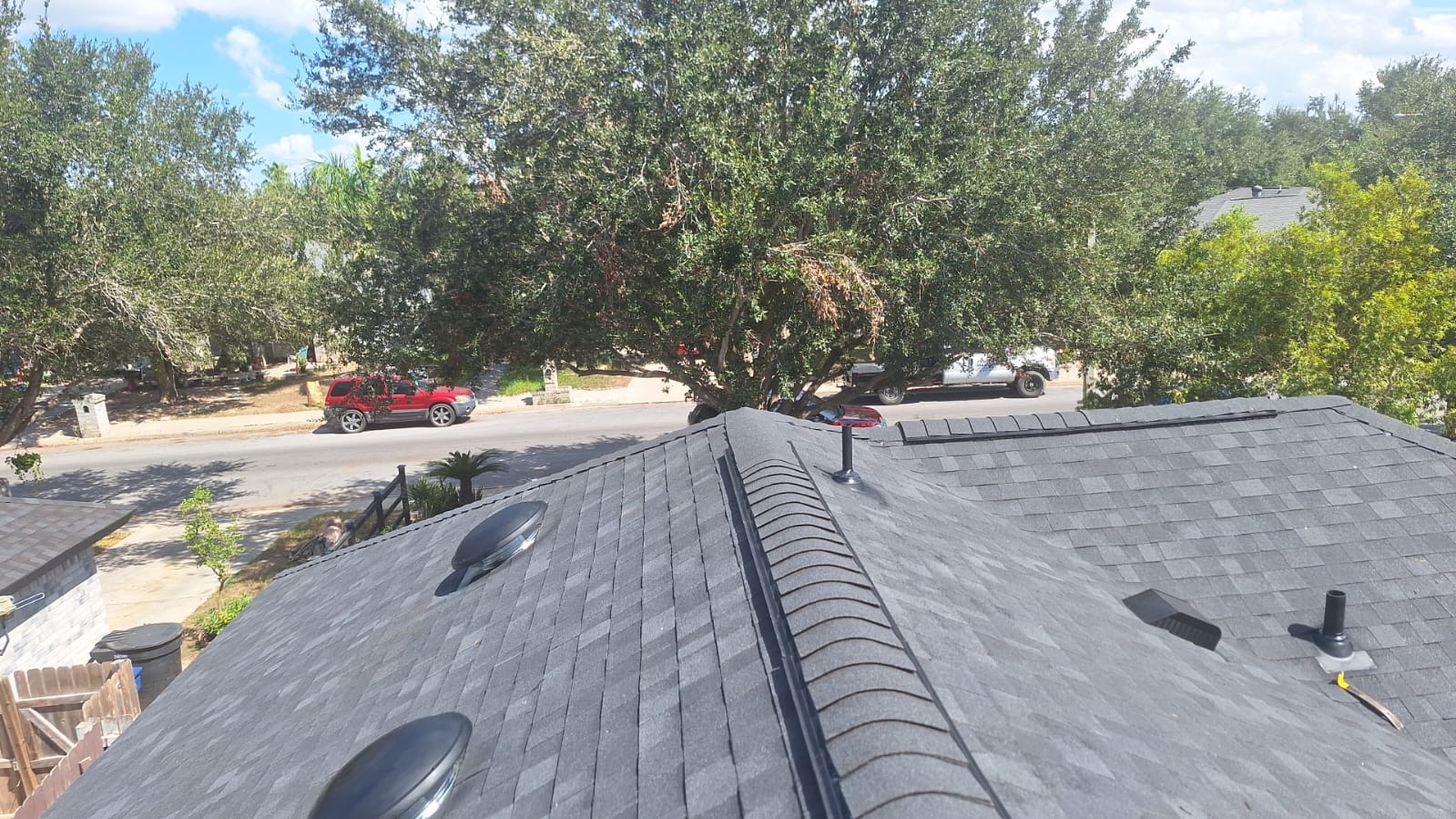
Coastal roofing guide
Coastal roofing decisions should be made differently than inland RGV decisions
Coastal Roofing South Padre Island & Port Isabel is not just another city page. Near the coast, roofs deal with salt air, higher humidity, stronger wind exposure, tropical storm pressure, and material wear patterns that demand a more careful system conversation. At Marva Roofing, we help property owners sort through that decision with documented inspections, practical storm-response guidance, and clear recommendations built around metal roofing, replacement planning, storm damage response, and long-term maintenance.
We built this page to support coastal homeowners, second-home owners, vacation-rental owners, and near-coast properties that need roofing guidance shaped by real coastal conditions—not generic inland assumptions. Whether you are trying to decide if metal is the better long-term fit, whether your storm-damaged roof still has repair options, or whether a coastal replacement project needs stronger planning from day one, this page is designed to help you move faster with more confidence.
You will also find links throughout this page to deeper resources on Service Areas, Storm Damage Repair McAllen, Metal Roofing McAllen, Roof Replacement McAllen, emergency protection, financing, and your live South Padre Island and Port Isabel support pages.
Table of contents
Jump to the section you need
Why coastal roofing is different
Salt air, wind, humidity, and tropical weather change the roofing conversation
South Padre Island and Port Isabel properties deal with a different roofing environment than inland McAllen, Edinburg, or Mission homes. Salt air can accelerate wear on exposed details. Higher humidity can make moisture control and ventilation more important. Stronger wind exposure makes attachment strategy, flashing quality, and trim details more critical. Tropical storms and heavy rain increase the importance of fast response, documented inspections, and systems that handle water shedding well.
That is why coastal roofing should be approached as a system decision rather than a surface-material decision. The roof covering matters, but so do underlayment, flashing, fasteners, ventilation, edge details, emergency response planning, and the long-term maintenance approach—especially on beachside homes, second homes, and rental properties that may not be occupied full-time.
Your own Service Areas page already groups Port Isabel and South Padre Island together as a coastal service path, and your live South Padre and Port Isabel pages already emphasize wind, salt air, humidity, and coastal-specific roofing conditions. This page is designed to turn that into a true coastal specialty silo instead of leaving it split across generic city pages.
Windstorm & inspection awareness
Coastal projects should ask code and certificate questions early—not after the work is done
Texas coastal roofing projects can involve windstorm-specific planning that inland homeowners rarely think about. In Texas first-tier coastal counties, the Windstorm Inspections Program applies to structures in designated catastrophe areas, and TDI says new structures, alterations, additions, repairs, re-roofs, and roof repairs in those areas must be constructed and inspected according to TDI-adopted specifications to qualify for wind and hail coverage through TWIA. TDI also notes that most new construction, roof replacements, major repairs, and other alterations require inspection and a certificate of compliance, and that a WPI-8 certificate is required for eligibility for wind and hail coverage through TWIA. Learn more from TDI.
That does not mean every coastal roofing conversation is automatically an insurance conversation. It means planning matters. The earlier a homeowner or property owner asks the right windstorm, inspection, and certificate questions, the easier it is to avoid costly confusion later.
- Ask early how the project will be planned and documented
- Do not wait until the roof is already completed to ask about inspection or certificate needs
- Use a documented inspection before deciding on repair vs replacement
- Keep records and post-storm documentation organized
Best coastal roofing system conversations
Different coastal properties call for different roofing strategies
Standing seam metal roofing
Often one of the strongest coastal conversations for homeowners who want long-term durability, strong water shedding, and a more premium storm-ready system.
High-wind asphalt systems
For some homes, asphalt can still be a smart fit when the system is built around better wind-focused materials, underlayment, and detail planning.
Tile or premium specialty systems
Certain homes may still be strong candidates for tile or specialty materials when structure, exposure, and budget support the system.
Low-slope and membrane-oriented sections
Patios, additions, condos, and mixed-slope buildings near the coast may need different planning than standard residential steep-slope sections.
Still deciding between systems? Use this coastal page with Metal Roofing McAllen, Roof Replacement McAllen, and Best Roofing Materials McAllen before committing to a roof based on surface price alone.
Storm response
Coastal roofs need a faster emergency response mindset after storms
Document first
After hail, high wind, or tropical weather, the first goal is to understand the roof’s real condition before guessing at repair scope.
Protect the building fast
If the roof is actively compromised, emergency dry-in or tarp work can help reduce interior damage while permanent repair planning is underway.
Separate cosmetic from functional damage
Not every visible mark means replacement, and not every serious problem is obvious from the driveway.
Move into the right path quickly
Some roofs need localized repair. Some need emergency protection. Some need full replacement planning. Inspection should decide that—not assumptions.
If the need is urgent, move next into Storm Damage Repair McAllen, Emergency Roof Tarping McAllen, or your city support pages for South Padre Island and Port Isabel.
Inspection / diagnostic process
What Marva Roofing looks at during a coastal roof inspection
Exposure and property review
We start by understanding the property’s coastal exposure, roof type, use pattern, age, and recent weather history.
Surface and wear review
We inspect for visible roof wear, storm clues, coating breakdown, corrosion risks, shingle movement, or tile displacement.
Flashing, trim, and fastener review
Coastal roofs live or die at the details. Edge metal, fasteners, penetrations, trim, and flashing quality matter tremendously.
Drainage and moisture clues
Drainage behavior, runoff patterns, attic clues, and moisture concerns help shape the real recommendation.
Repair vs replacement analysis
We separate repairable damage from systemic roof-system risk and explain the most realistic next step.
Clear next-step plan
You leave knowing whether the roof needs maintenance, emergency protection, targeted repair, or full replacement planning.
Decision friction is normal
Not sure whether the coastal roof needs repair, protection, or replacement?
That is exactly why inspection comes first. We help property owners compare the remaining life of the roof against the risks of waiting too long in a higher-exposure environment.
Repair vs replacement decision guide
When coastal roof repair makes sense and when replacement becomes smarter
Repair often makes sense when…
- The damage is isolated and clearly documented
- The roof still has meaningful service life left
- The issue is tied to a specific storm event or detail area
- Emergency protection can stabilize the building quickly
Replacement becomes smarter when…
- Storm damage is spread across the roof
- Repairs are becoming frequent or financially inefficient
- The roof system is aging out in a higher-exposure environment
- You want a stronger long-term coastal system, not another short-term patch
System upgrades make sense when…
- You want better wind-focused material planning
- You are upgrading from a short-cycle system to a more durable one
- Salt air and storm exposure are part of the long-term ownership decision
- You want a roof built more intentionally for coastal conditions
The correct answer is not always “replace it.” But coastal properties often have less margin for ignoring details because exposure is less forgiving than inland markets.
Coastal maintenance planning
Salt air and storm exposure make maintenance more important, not less
Routine inspections
Near-coast properties often benefit from regular inspections because subtle roof problems can grow faster under higher exposure conditions.
Fastener and flashing attention
Salt air, humidity, and wind make detail quality and ongoing monitoring more important over time.
Post-storm checkups
Storms can create hidden roof problems even when the roof looks fine from the driveway or from an upper balcony.
Vacation and rental-property oversight
Second homes and rental properties often need more intentional maintenance because small roofing issues can go unnoticed longer.
Need a maintenance-forward page too? Use Residential Roof Maintenance McAllen as the companion page for homeowners who are trying to stay ahead of coastal roofing problems.
Long-term value
Coastal roofs should be evaluated on lifecycle, not just sticker price
Near the coast, roofing decisions are often more expensive to get wrong. The cheaper system is not automatically the less expensive system over time if it creates more storm vulnerability, more maintenance friction, or more repeat repair pressure. Coastal roofing should be evaluated as a lifecycle decision shaped by exposure, ownership horizon, occupancy pattern, and how often you want to revisit major roofing work.
That is why this page should work together with Metal Roofing McAllen, Storm Damage Repair McAllen, Roof Replacement McAllen, and Service Areas instead of being treated like a generic city page.
Why choose Marva Roofing
Local coastal guidance built around clarity, details, and accountability
RGV and coastal experience
We already serve South Padre Island and Port Isabel and understand how coastal exposure changes the roofing conversation.
Family-owned and veteran-owned
Our brand is built around accountability, communication, and workmanship property owners can trust.
Inspection-first recommendations
We do not assume every storm-damaged roof needs replacement or every coastal property needs the same material. We inspect and explain the right path.
Strong homeowner and property-owner support
From emergency protection to replacement planning, we help owners move faster with clearer next steps.
Want to vet us before you call? Visit our About page, browse the project gallery, read customer reviews, or check current financing options.
Coastal roofing service areas
Serving South Padre Island, Port Isabel, and the nearby coast
South Padre Island
South Padre Island property owners deal with direct coastal exposure, strong winds, humidity, and storm pressure that make system choice and detail quality critical.
Port Isabel
Port Isabel owners often need a roofing strategy that balances coastal durability, storm response, maintenance planning, and long-term value.
Brownsville & the nearby coast
Coastal-adjacent properties throughout Cameron County can benefit from the same storm-conscious and system-first roofing guidance.
Internal link hub / resource center
Keep exploring the coastal roofing cluster
Core coastal pages
Storm, repair & replacement
Material & system planning
Trust & next steps
Frequently asked questions
Coastal roofing FAQs for South Padre Island & Port Isabel property owners
Why is coastal roofing different in South Padre Island and Port Isabel?
Coastal roofs deal with salt air, stronger wind exposure, higher humidity, intense sun, and tropical storm pressure. Those conditions change how materials, flashing, fasteners, and maintenance should be planned.
Is metal roofing a good fit for coastal homes?
Often, yes. Many coastal property owners compare metal because of its durability, wind-focused performance, and long-term value, but the right answer still depends on roof design, budget, and installation details.
Do coastal roofing projects need windstorm inspection or certificate planning?
Some coastal projects in Texas first-tier counties involve windstorm inspection and certificate conversations. Ask early, before construction or re-roofing begins, so the project can be planned correctly.
Should I inspect a coastal roof after every major storm?
That is a smart habit. Even when there is no visible leak from the ground, storms can loosen trim, disturb flashing, damage shingles, or create hidden trouble that shows up later.
Can salt air affect fasteners, flashing, and roof details?
Yes. Salt air and humidity can accelerate wear on exposed components and make detail quality more important over time.
Do vacation homes and coastal rentals need maintenance even when no one lives there full-time?
Yes. Second homes, rentals, and intermittently occupied properties often benefit from routine inspections and maintenance because small roofing problems can go unnoticed for longer.
Your next step
Schedule Your Free Inspection
If you are comparing coastal roofing in South Padre Island or Port Isabel, start with a professional inspection and a clear recommendation. We will help you understand whether your best next move is storm response, maintenance, repair, or a stronger coastal replacement strategy.
Marva Roofing | info@marvaroofing.com | Serving South Padre Island, Port Isabel, and the Rio Grande Valley coast