Texas Roof Claim Advice for McAllen Homeowners
How to Document Roof Storm Damage Before Filing Claim in Texas
Before you file a roof claim, the most valuable thing you can gather is clear documentation. Good photos, video, timestamps, temporary-repair receipts, and written notes make the next conversation cleaner—whether the answer ends up being repair, replacement, or no claim at all.
- Veteran-Owned
- Family-Owned
- Roofing Advice for RGV Homeowners
- Inspection-First Guidance
How this post helps you choose faster
We wrote this article for Texas homeowners who want to document storm damage correctly before they talk to the insurance company, the adjuster, or a roofer.
- What to photograph and video first
- What notes and records to keep
- How temporary repairs and receipts fit in
- What Texas homeowners should not do too early
- How to protect the home without hurting documentation
Start with facts, not pressure
Protect the house, document the damage, and avoid guessing at scope
Storm claims go more smoothly when the damage is documented before the roof condition changes, the debris gets cleaned away, or a rushed repair makes the timeline harder to explain.
Texas claim-prep guide
Good claim documentation is not about dramatizing damage—it is about preserving facts before they disappear
Storm-damaged roofs change fast. Wet areas dry out, granules wash away, debris gets cleaned up, temporary protection gets installed, and the visible condition looks different a few days later than it did right after the event. That is why the best time to document what happened is before the roof has been altered any more than necessary to protect the home.
This article walks through what to document, what Texas homeowners should do first, how temporary repairs fit in, what records to keep, and what the Texas Department of Insurance says about claims, receipts, deductibles, and contractor conduct.
Quick answer for homeowners
Document the roof before it changes any more than necessary
Take photos and video of every visible sign of damage as soon as it is safe. Capture all roof elevations from the ground, gutters, downspouts, vents, flashing, ceiling stains, attic moisture, debris impact, and anything else on the property that supports the storm timeline. Then write down the date of the storm, when you first noticed the issue, what rooms were affected, and what temporary steps you took to protect the home.
Texas Department of Insurance tells homeowners to take pictures and video, make temporary repairs to keep damage from getting worse, keep receipts, and avoid permanent repairs before the adjuster sees the damage. That is the cleanest starting point for a roof claim. See the official TDI storm guidance here.
What to do first after a storm
Your first priorities are safety, protection, and documentation
Make sure everyone is safe
If there is structural concern, active electrical risk, or major interior water intrusion, handle safety first.
Do a ground-level walkthrough
Look for missing shingles, dented vents, debris impact, shifted flashing, fallen branches, and fresh interior stains.
Take photos and video before cleanup
Document the condition before debris removal, drying, or emergency protection changes what is visible.
Protect the home from further damage
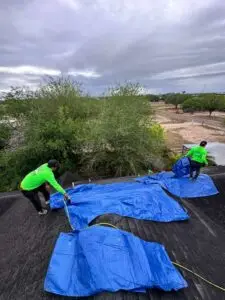
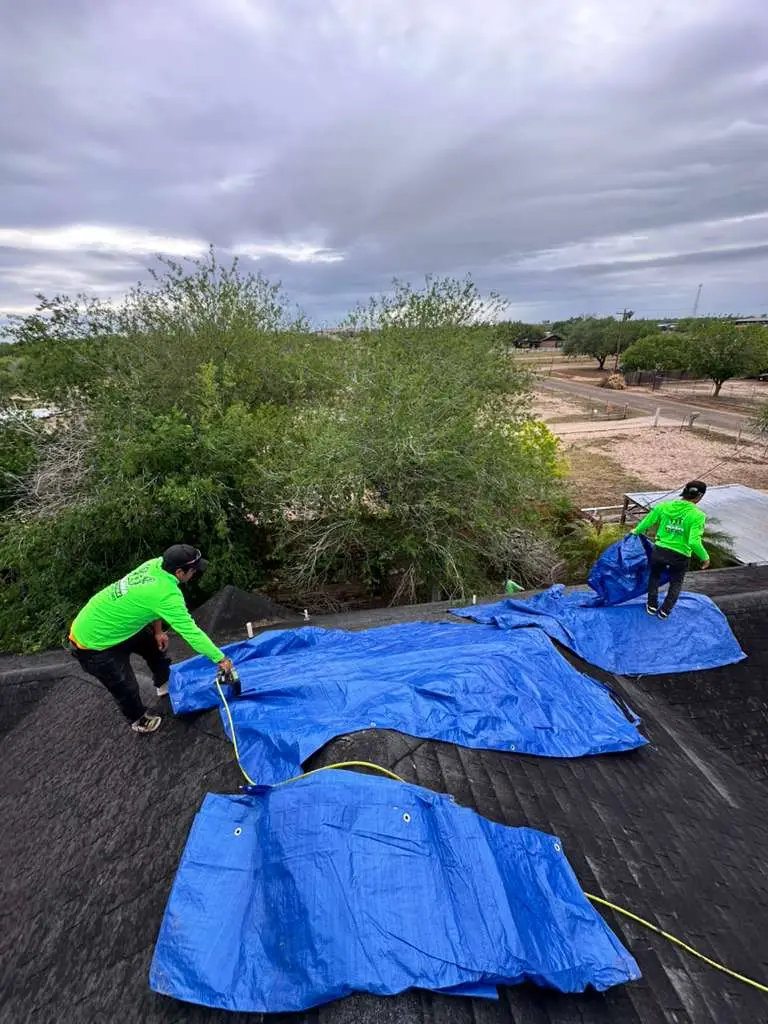
Temporary repairs are appropriate when needed to keep water out, but they should be documented carefully.
Write down what happened
Storm date, time, hail size if known, wind direction if obvious, rooms affected, and when you first noticed damage all help.
Schedule a documented inspection
An inspection helps separate hail, wind, leak-path, and age-related issues before you decide whether to file.
Photo and video checklist
The goal is to show condition clearly—not to get artistic
Exterior items to capture
- Every roof elevation visible from the ground
- Gutters, downspouts, vents, flashing, ridge caps, and roof edges
- Dents on soft metals or HVAC equipment
- Debris impact, fallen limbs, and displaced materials
- Any tarp or temporary protection after it is installed
Interior items to capture
- Ceiling stains, bubbling paint, wall streaking, wet insulation
- Attic moisture or drip locations
- Water-damaged contents if relevant
- Wide shots to show the room and closeups to show the damage
- Short video clips that make active dripping or water entry obvious
Use your phone’s standard timestamping or keep files organized by date. A quick folder labeled by storm date is often enough. If possible, include a few wide shots so the insurer or adjuster can understand where the closeups belong on the property.
What notes and records to keep
Good notes make your photos more useful later
Storm timeline
Write down the date, approximate time, and what type of weather you observed—hail, strong wind, heavy rain, falling debris, or a combination.
Damage timeline
Note when you first saw missing shingles, interior stains, drips, or attic moisture and whether it got worse after later rain.
Temporary actions taken
Record tarping, emergency seal-up, water cleanup, or mitigation steps, including dates and who performed them.
Communication log
Keep names, phone numbers, dates, and summaries of conversations with your insurer, adjuster, mortgage company, or contractor.
TDI specifically advises keeping a record of everyone you talked to at the company, being ready to answer questions about the damage, and being there to point out all damage when the adjuster visits. See the claim process guidance here.
Temporary repairs and receipts
Protecting the home is smart—but document the emergency work clearly
Texas Department of Insurance tells homeowners to do what they need to keep damage from getting worse, such as covering the area with a tarp or making temporary repairs, and to keep receipts for all expenses. That means emergency tarping, drying, water cleanup, and limited mitigation steps are absolutely worth documenting if they were necessary to protect the property.
Save:
- Invoices and receipts for emergency tarping or dry-in work
- Receipts for materials such as tarps, fasteners, buckets, or fans
- Photos before the temporary repair and after the temporary repair
- Any communication about why the emergency protection was needed
If the home needs fast temporary protection, pair this article with Emergency Roof Tarping McAllen, Roof Leak Repair McAllen, and Storm Damage Repair McAllen.
What not to do too early
Some well-intended steps make later documentation harder
Do not make permanent repairs first
If a claim may be filed, permanent repairs before the adjuster sees the damage can complicate the record of what happened.
Do not throw damaged materials away too quickly
TDI says not to throw anything away until the adjuster tells you it is okay. Keep what is practical and safe to keep.
Do not sign sloppy contracts
TDI warns consumers not to sign a contract with blank spaces and not to pay in full upfront.
Do not assume every storm means a claim
Some roof problems are wear-related, maintenance-related, or isolated repair issues rather than claim-worthy storm loss.
Texas rules homeowners should know before a roof claim
Deductibles, contractor conduct, and claim language matter
Texas law does not allow a roofer or contractor to act as a public insurance adjuster on a project if they are also doing the work. TDI specifically says contractors cannot advertise that they will negotiate claim settlements, file a claim for you, or represent you on coverage issues if they are also the contractor. TDI also says it is illegal in Texas to waive, rebate, or absorb a property policyholder’s deductible. Read the official guidance here.
That matters because good documentation should help you understand the roof condition—not lure you into bad promises. A professional roofer can inspect, photograph, explain the scope, and perform the work. Coverage decisions still belong to the insurer.
What usually happens after you file in Texas
Understanding the next step can help you document more calmly
TDI says your insurance company has 15 business days to acknowledge the claim, start its review, and ask for any information it needs. After it gets what it needs from you, it generally has 15 business days to tell you whether it will pay the claim, though that can be extended by 45 days if the company explains why it needs more time. TDI also notes these deadlines can be extended further in a weather-related catastrophe. See the claim process page here.
That means your documentation package should be ready to support the inspection, the adjuster visit, and any questions about timing, emergency mitigation, or what changed between the storm and the filing.
Local homeowner situations
Who this post helps across the RGV
McAllen
Best fit for homeowners documenting roof storm damage before deciding whether to file a claim or just move into repair.
Mission
Useful for Mission homeowners who want a cleaner claim file with better photos, receipts, and temporary-repair notes.
Edinburg
Helpful for Edinburg homeowners who need storm documentation before adjuster visits or permanent repairs.
Pharr
Useful for Pharr homeowners comparing emergency response, claim prep, and inspection-first next steps.
Donna
Applies to Donna homeowners who want to protect the property quickly without losing the documentation trail.
Internal link hub / resource center
Keep exploring the storm documentation and claim-prep cluster
Start here after a storm
Protect the home first
Claim-related education
Frequently asked questions
Texas roof claim documentation FAQs for homeowners
What should I photograph before filing a roof claim in Texas?
Take photos and video of all visible roof-related damage from the ground, dents on soft metals, gutters, flashing, interior staining, attic moisture, debris impact, and any temporary repairs once completed.
Can I put a tarp on the roof before the adjuster comes?
Yes. Texas guidance says you should make temporary repairs to keep damage from getting worse. Just document the condition before and after and save your receipts.
Should I make permanent roof repairs before filing the claim?
Not if a claim is likely. TDI says not to make permanent repairs before the adjuster sees the damage.
Do I need to keep receipts for emergency storm work?
Yes. TDI specifically says to keep receipts for all expenses related to temporary repairs and mitigation.
Can my roofer negotiate my insurance settlement in Texas?
No, not if that roofer is also doing the work. Texas does not allow a contractor to act as a public insurance adjuster on the same project.
Your next step
Schedule Your Free Inspection
If your roof was hit by a recent storm, start with a documented inspection and clean photo record before the condition changes any more than necessary. Marva Roofing can help you protect the property, document the roof, and understand the next step without promising what only the insurer can decide.
Marva Roofing | info@marvaroofing.com | Serving McAllen, Mission, Edinburg, Donna, Pharr & the Rio Grande Valley