The Real Takeaway: Roof Components Explained — Performance Is Won in the Details
When it comes to roof components explained, the most important lesson is this: roof performance is determined by system integration, not just shingles. Many homeowners focus only on the visible surface, but roof components explained properly reveals that long-term durability depends on ventilation balance, flashing precision, fastening strength, waterproofing layers, and structural support working together.
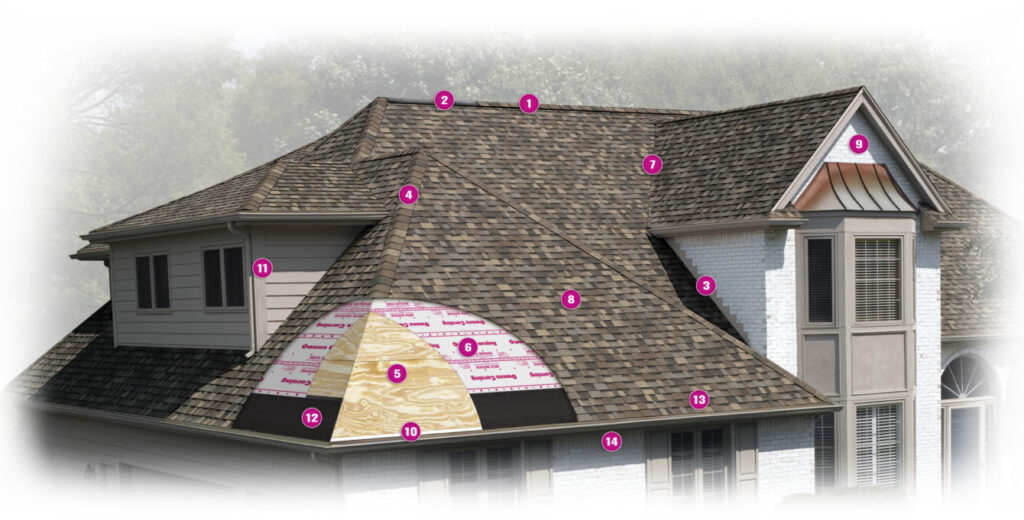
With roof components explained clearly, you begin to understand how each element contributes to overall protection. Proper intake and exhaust ventilation regulate attic temperature and control moisture buildup. Underlayment acts as a secondary moisture barrier beneath the shingles. Flashing protects transition areas like chimneys, skylights, and wall intersections. Valleys channel large volumes of water safely off the roof. Drip edge and edge metal protect decking at the perimeter. Every layer has a purpose.
When roof components explained are evaluated as a unified system, the roofing assembly functions as a strong defensive barrier against wind, rain, humidity, and heat. Water is directed safely through valleys and away from penetrations. Balanced ventilation reduces trapped attic heat, which helps prevent premature shingle aging and improves energy efficiency. Secure fastening patterns and reinforced edge detailing strengthen resistance against wind uplift, especially in storm-prone climates.
However, roofing failures rarely occur in the middle of open shingle fields. As roof components explained often highlights, breakdowns typically happen at transition points — valleys, ridges, eaves, flashing lines, and penetrations — where multiple materials meet. If flashing is improperly installed, underlayment is insufficient, or ventilation is unbalanced, water intrusion can begin beneath the surface. Over time, moisture can compromise decking, insulation, and structural framing.
According to Owens Corning, having roof components explained empowers homeowners to ask smarter, performance-focused questions. Instead of asking only about cost, consider asking:
-
Is attic ventilation properly balanced?
-
What underlayment system is included?
-
How are valleys and flashing details reinforced?
-
Is waterproof protection installed in high-risk areas?
-
How is edge metal improving long-term water control?
When roof components explained becomes part of the conversation, the focus shifts from price alone to long-term protection, durability, and system performance. Understanding roof components explained is the foundation for making informed decisions about repairs, upgrades, or full roof replacement — and ensuring your roofing system delivers lasting value rather than short-term fixes.
Final Thought
A roof is not a product — it’s a system.
And long-term durability isn’t won in the middle of the shingles.
It’s won at the ridges, valleys, flashing lines, and ventilation pathways where precision matters most.
When those details are executed correctly, your roof doesn’t just cover your home — it protects it.
Source: Owens Corning – The Anatomy of a Roof