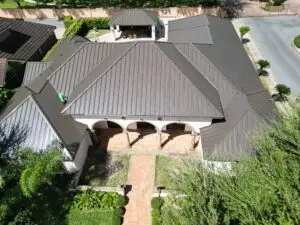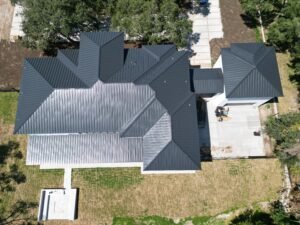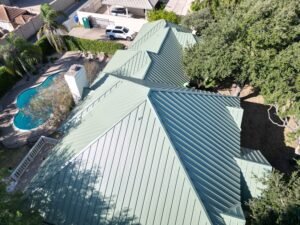
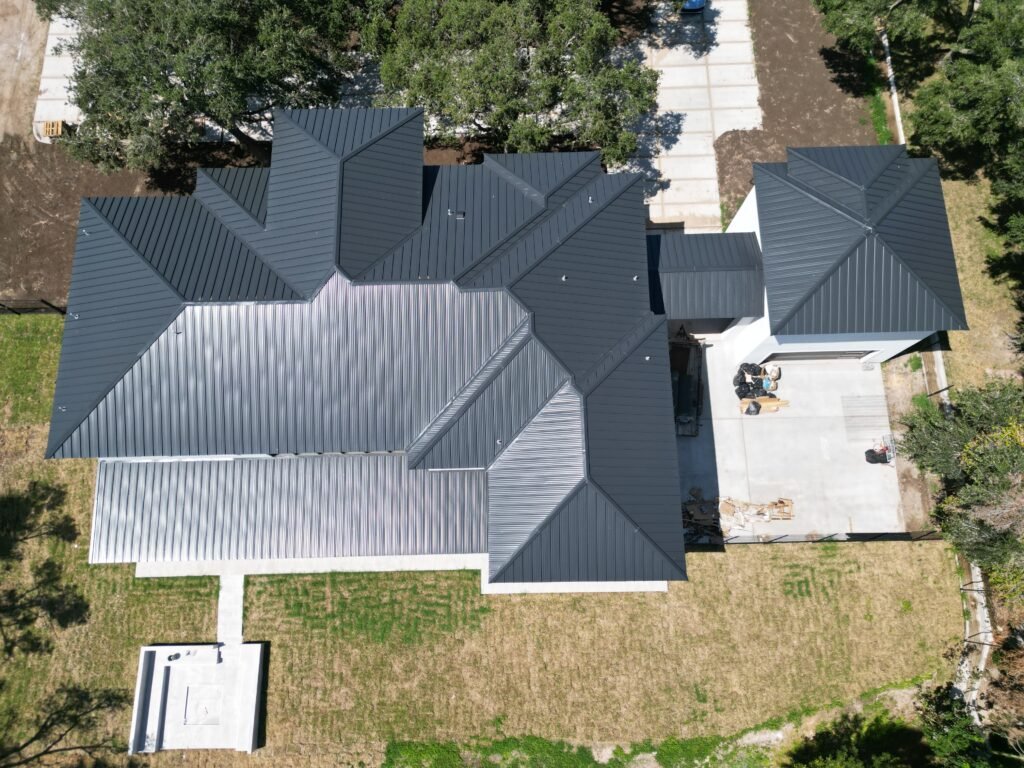
Oil canning is visible waviness in a metal panel’s flat areas. It is often an appearance concern, and its visibility can change with lighting and viewing angle. Waviness alone does not establish that a roof leaks or that its installation is defective.
Homeowners considering standing seam roofing in McAllen often picture perfectly flat panels. Discuss the finished appearance before ordering. A sample, a product photo, and a full roof viewed in afternoon light can look different.
Why flat panels can look wavy
Metal panels can show residual stresses from manufacturing, handling, or installation. Thermal movement and the condition of the supporting surface can also affect appearance. Wide, flat panel areas and certain lighting conditions can make waviness more noticeable. An inspection is needed to distinguish a cosmetic condition from a separate installation or performance concern.
Can oil canning be prevented?
No responsible selection process should promise that all visible waviness will disappear. Panel width, thickness, stiffening ribs or striations, and finish gloss can influence its visibility. Proper handling, suitable support, and installation that accommodates the specified movement also matter. These are ways to manage expectations and reduce risk, not a universal cure.
Before you choose a panel
- Ask to see the exact profile with its available flat-pan, ribbed, or striated options.
- Look at a completed roof from several angles and at more than one time of day when possible.
- Discuss the tradeoff between a broad flat appearance and surface features that break up reflections.
- Ask how the existing deck will be evaluated and how any corrections will be documented.
- Request the manufacturer’s appearance statement and warranty exclusions before signing.
When to request an inspection
Arrange an assessment if the appearance is new, follows a storm, or occurs alongside water entry, displaced panels, loose trim, or other changes. Those observations deserve attention even if some waviness is cosmetic. Our metal roof repair service starts with understanding the cause rather than choosing a treatment from a photograph.
Take photographs from the ground, note when you first noticed the condition, and record whether it changes with sunlight. Keep installation paperwork and earlier photos together. This gives the inspector useful context without requiring you to walk on the roof.
Does the warranty cover it?
Oil canning is commonly excluded from manufacturer coverage. Check the actual product documents and any separate workmanship terms. A cosmetic exclusion does not answer whether an unrelated leak or attachment issue exists; have each concern assessed on its own evidence.
If you are still choosing a system, review the metal roofing system options and ask about appearance at the same time as price, maintenance, and performance. It is easier to agree on realistic expectations before fabrication.
Talk through your roof options
Marva Roofing can inspect visible changes or help you discuss panel appearance while planning a replacement. You do not need to climb onto the roof to start that conversation.
Technical references
Product specifications and written manufacturer terms govern the roof selected for your property. These resources explain the underlying differences: