
Residential Tile Roofing • Wind Damage • McAllen, TX
Wind Damage Tile Roof McAllen
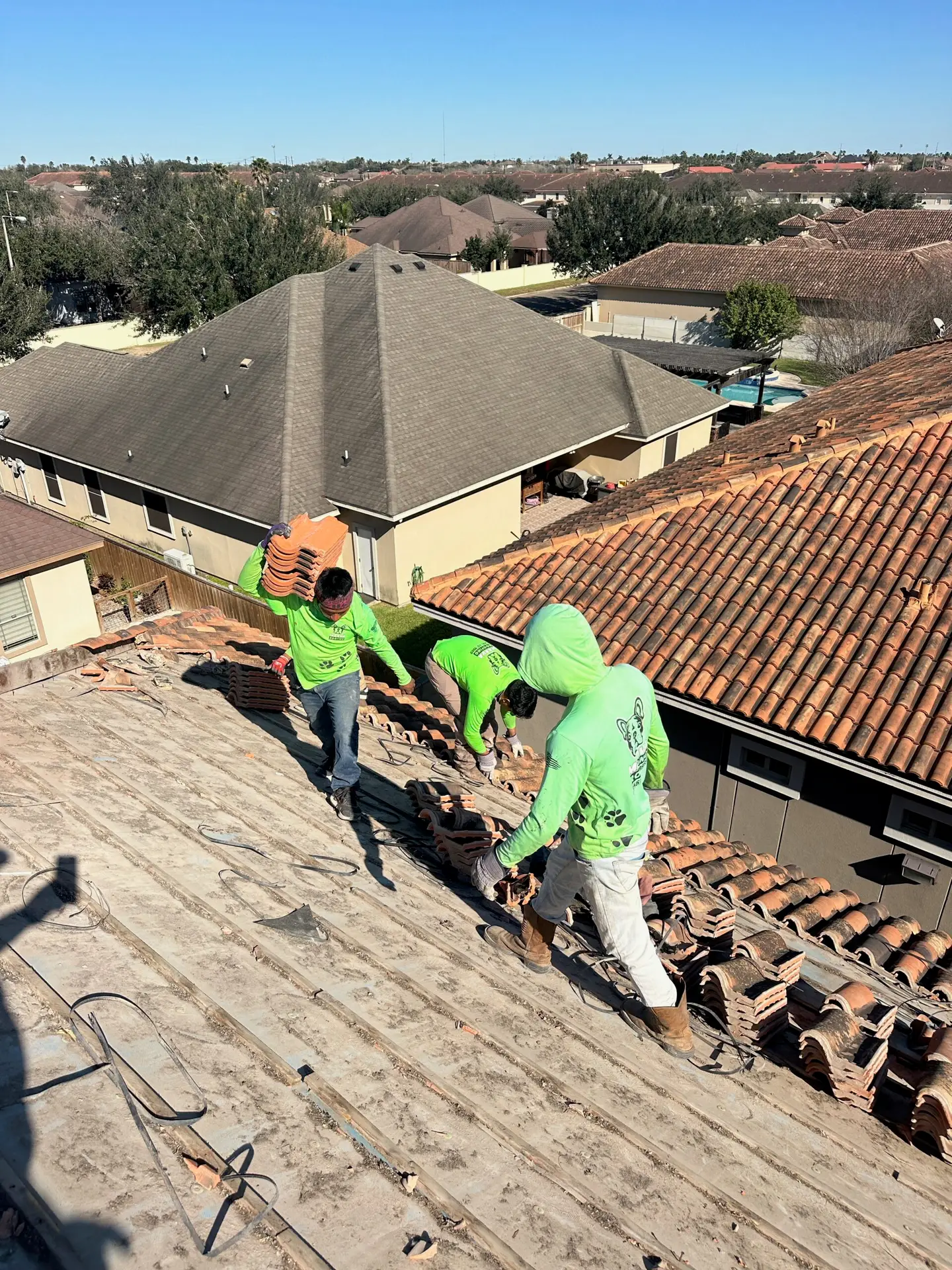
If your tile roof took a hard wind event, do not trust the view from the driveway. Wind can shift tile, loosen the ridge line, crack pieces with flying debris, and open hidden paths for water before you ever see a stain inside. Marva Roofing helps homeowners get clear answers, real photos, and a smart next step before the next rain shows up.
- Veteran-Owned
- Family-Owned
- Tile-Specific Storm Help
- Photo Documentation
- Homeowner-First Guidance
If wind moved your tile roof, start here
This page is built for homeowners dealing with slipped tile, ridge damage, debris impact, or a leak that started after a windy storm. The goal is to help you understand what changed, what you cannot see from the ground, and whether the right move is inspection, repair, deeper waterproofing work, or replacement.
- Displaced or slipped tile after high winds
- Ridge line movement and broken ridge pieces
- Branch and flying-debris impact
- Hidden water risk beneath the tile
- Repair-versus-replacement answers in plain language
Worried after a windy storm?
Schedule a tile roof inspection before the next rain
Wind damage often gets worse after the storm, not during it. A tile roof can shift just enough to let wind-driven rain underneath, and the water may show up far from the real opening. The faster you document it, the easier it is to make the right call.
Worried after a windy storm?
A homeowner guide
This page is for tile roofs after wind, not hail
Wind damage on a tile roof is usually movement damage first. Pieces shift. The line at the top of the roof can loosen. Edges can open up. A branch can crack one tile and create a bigger water problem underneath it. That is why a tile roof can still look mostly fine from the street and still need help.
Start here if you want to know whether you need tile roof inspection, tile roof repair, or tile roof replacement. If water is already getting inside, go straight to roof leak repair. If the real concern may be the waterproof layer under the tile, review roof underlayment replacement.
If hail may also be part of the story, compare this page with hail damage on tile roofs, hail damage roof inspection, and the broader storm damage repair guide.
Table of contents
Jump to the answer you need
Quick answer for homeowners
A tile roof can look okay from the ground and still need repair
One slipped tile or one loosened ridge piece can let rain get under the roof surface. Once water gets under tile, it can travel before it shows up inside. That is why the real damage is often bigger than the one piece you can see from the yard.
The smartest first move is a documented inspection, not a guess from the driveway and not waiting for the next storm. You want to know what moved, what cracked, what is exposed, and whether the roof is still a good repair candidate.
McAllen reality: wind often does the moving, and the next rain does the leaking.
- What you need: photos, a plain-English explanation, and a clear next step.
- What should be checked: tile, ridge line, edges, debris strikes, metal waterproofing details, and the waterproof layer under the tile.
- What should be decided: repair now, monitor closely, or move into replacement planning.
- What should not happen: guessing from the ground or walking the roof yourself.
What wind damage usually looks like
Wind damage on tile roofs is often about movement, not just visible breakage
Displaced or slipped tile
High winds can nudge tile out of place, break corners, or leave small openings that are hard to spot from below. A small shift can still create a water path.
Ridge line damage
The pieces along the top of the roof can loosen, crack, or shift. Once that line opens up, wind-driven rain can get where it should not.
Debris impact
Branches and flying objects can crack a tile, chip an edge, or damage the area around it. One hit can create a leak path far from the visible crack.
Edge and detail damage
Wind often works on edges first. It can also loosen the metal waterproof pieces around walls, vents, chimneys, and roof changes.
If the damage looks isolated, the next stop is often tile roof repair. If the problem seems concentrated around metal details or transitions, pair this page with roof flashing repair.
What homeowners miss from the ground
The part you cannot see is often the part that matters most
What is easy to miss
- Small gaps between tiles after wind movement
- Ridge pieces that shifted just enough to let water in
- Cracks on the back side or upper edge of a tile
- Exposed waterproofing where one piece lifted
- Metal details pulled loose around walls, vents, or chimneys
- Moisture in the attic before a ceiling stain appears
What can happen if you wait
- The next rain blows under the tile and spreads farther
- The visible stain shows up far from the real opening
- Drywall, paint, insulation, or framing starts taking water
- The repair grows because moisture kept traveling
- A small tile problem turns into a larger replacement conversation
If your biggest need is clarity before you guess, start with tile roof inspection. If water is already inside, move straight into roof leak repair.
Repair or replacement?
There is a point where small tile repairs stop buying real peace of mind
Repair often makes sense when
- Damage is limited to a smaller area
- Matching tiles are available
- The waterproof layer under the tile is still doing its job
- Ridge reset or detail work solves the problem cleanly
- The roof is not leaking in multiple places
Replacement becomes the smarter move when
- Leaks keep coming back in different areas
- Many tiles have moved, cracked, or are hard to match
- The waterproof layer under the tile is worn out
- Storm damage exposed bigger age-related problems
- Repair dollars keep stacking up without solving the whole issue
Sometimes the answer is under the tile
In many tile roof cases, the visible surface is only part of the story. The tiles may still be usable while the waterproof layer underneath has aged out. That is why this page should also stay connected to roof underlayment replacement.
Helpful pages if you are on the fence
Compare tile roof repair, tile roof replacement, roof replacement, what actually raises roof replacement cost, and whether a leak can be repaired without full replacement.
Already seeing water inside?
Do not wait for a second rain to confirm it
If wind damage already turned into a leak, the next step is not guessing which tile caused it. The next step is a leak-focused inspection that follows the real water path and shows whether the problem is one area or a bigger roof issue.
What Marva checks
What a wind-damage tile roof inspection should actually do
Start at the ground and around the house
We look for fallen pieces, debris hits, damaged ridge material, and other clues that help explain what the wind did before we even step onto the roof.
Check the tile roof section by section
We look for moved tile, broken corners, loosened ridge pieces, open edges, and the spots where wind usually creates trouble first.
Check what wind may have exposed
That includes the waterproof layer under the tile and the metal waterproofing details around walls, vents, chimneys, and roof changes.
Explain the next step in plain English
You should leave the inspection knowing whether the roof needs repair, leak service, deeper waterproofing work, or a larger replacement conversation.
If your main goal is certainty, pair this page with tile roof inspection and free roof inspection so you can move quickly without guessing.
Insurance & photos
If you may file a claim, photos come before assumptions
After a wind event, safe ground photos matter. Take pictures of fallen tile, ridge pieces on the ground, branches or debris that hit the roof, interior staining, and anything temporary you do to protect the home. Keep receipts for emergency protection if you need it.
Do not let a rushed guess replace a documented inspection. Good photos and clear notes make repair conversations easier and help you decide whether a claim is even worth pursuing.
What to photograph
- Fallen tile or ridge pieces
- Debris that hit the roof
- Water stains, drips, or attic moisture
- Tarps or temporary protection
What not to do
- Do not walk the roof yourself
- Do not throw away damaged pieces before photos if they can be safely saved
- Do not assume wind means full replacement
- Do not assume one crack is the whole problem
Helpful next pages
Keep moving toward the right answer
Start with your tile roof
If water is getting in
Storm and claim help
Frequently asked questions
Wind damage tile roof McAllen FAQs
Can wind damage a tile roof without blowing tiles completely off?
Yes. Wind often shifts tile, loosens ridge pieces, opens edges, or creates small gaps that are hard to see from the ground. A roof does not have to look dramatic to have a real water-entry risk.
Why does my tile roof look fine from the ground but still leak after wind?
Because the problem may be small movement, a hidden crack, or an opening under the tile rather than a big missing section. Water can also travel before it shows up inside, which makes the real source hard to spot from below.
What does ridge damage mean on a tile roof?
It means the pieces along the top line of the roof may have loosened, cracked, or shifted. That matters because those areas help keep wind-driven rain out of the roof system.
Can one slipped tile really matter that much?
Yes. One slipped piece can expose the layer underneath and create a path for water. On tile roofs, the visible problem and the real water path are not always the same thing.
Can wind-damaged tile roofs be repaired without full replacement?
Often, yes. If the damage is limited, matching tiles are available, and the waterproof layer under the tile is still in good shape, repair may be the right answer. Replacement becomes more likely when leaks are recurring, the damage is widespread, or the layer under the tile is worn out.
What if the real problem is underneath the tile?
That is common on aging tile roofs. Sometimes the tiles can still be reused while the waterproof layer underneath needs attention. That is why inspection matters before anyone guesses at scope.
Should I file an insurance claim right away?
Start with safe photos and a documented roof inspection. The better first question is whether the roof damage looks claim-worthy at all. Clear documentation helps you make that decision with less guesswork.
Your next step
Start with a wind-damage tile roof inspection in McAllen
If your tile roof shifted, cracked, or started leaking after a windy storm, do not wait for more water to prove the point. Marva Roofing will inspect the roof, show you what changed, explain what cannot be seen from the ground, and help you decide whether the right path is repair, deeper waterproofing work, or replacement.
Marva Roofing | info@marvaroofing.com | Serving McAllen, Mission, Edinburg, Donna, Pharr & the Rio Grande Valley