Commercial Roofing Cluster • McAllen, TX
Commercial Roof Inspection McAllen: Pro-Level Process, Documentation, and Next-Step Decisions
A professional Commercial Roof Inspection McAllen is one of the highest-ROI moves a property owner can make. It’s not a quick walk, and it’s not “just looking for leaks.” It’s a structured evaluation of water management, membrane performance, flashing transitions, and rooftop penetrations— with documentation you can use to plan repairs, maintenance, or replacement at the right time.
At Marva Roofing, we’re residential-first in the sense that we treat every property owner with the same clarity and accountability you’d want for your own home— but we bring commercial-level methodology, documentation, and risk awareness to inspections for offices, warehouses, retail centers, churches, and multi-tenant buildings. We also stay insurance-aware because storms in South Texas can expose weak points fast.
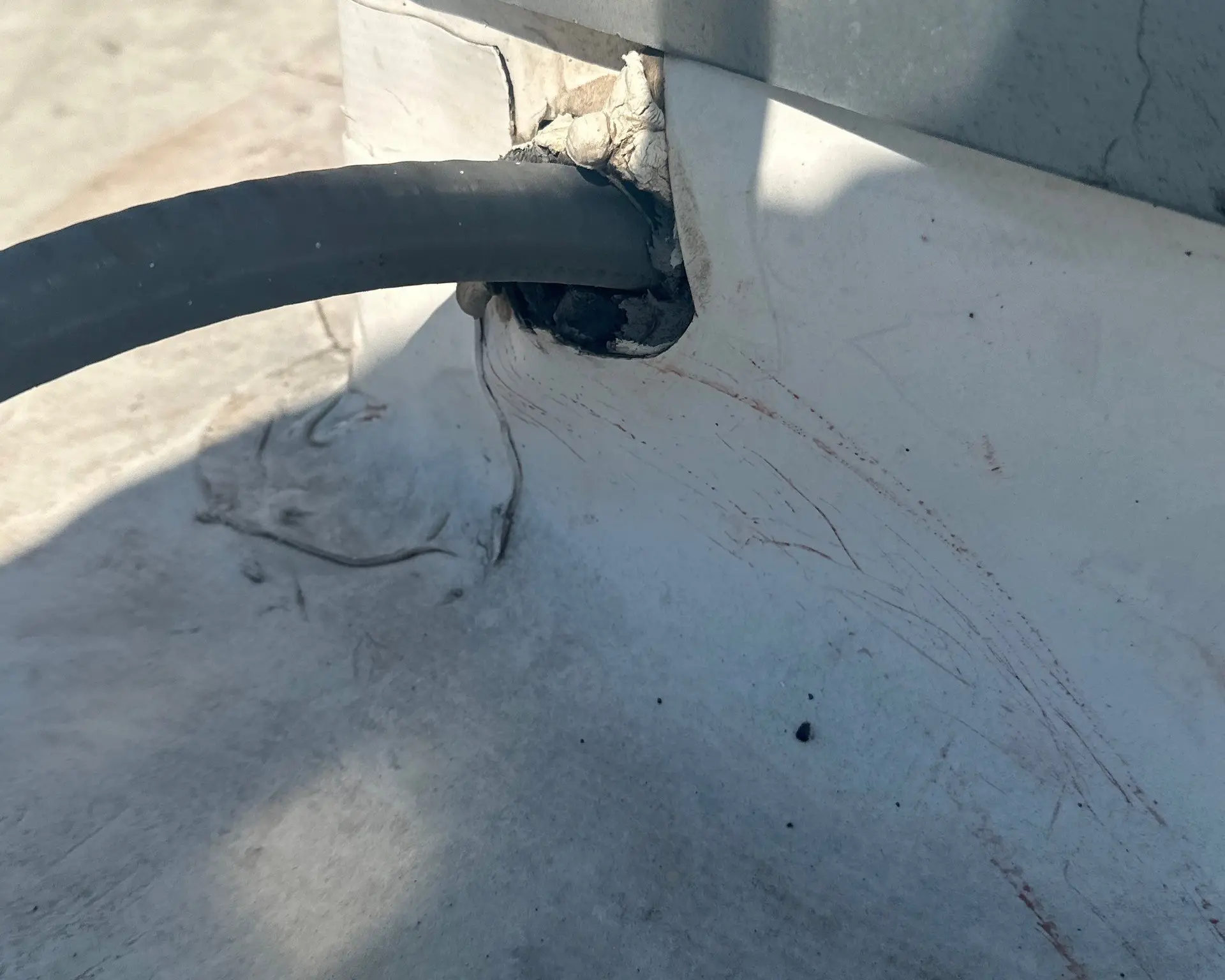
Table of Contents
If you use a Table of Contents plugin, it will usually detect headings automatically. These anchors also work if your plugin uses manual linking.
- What a Commercial Roof Inspection McAllen Should Include
- Commercial Roof Types We Inspect in McAllen
- RGV Climate Factors That Change Inspection Priorities
- Our Step-by-Step Commercial Inspection Methodology
- Drainage, Ponding Water, and Water Path Mapping
- Seams, Flashing, and Penetration Details
- How We Look for Hidden Moisture and Insulation Saturation
- Documentation Standards and Deliverables
- Repair vs Replacement: Decision Framework
- Insurance Awareness After Storm Events
- Inspection-Based Maintenance Plans
- Video: What a Pro Commercial Roof Inspection Looks Like
- FAQ
- CTA + Contact Section
Inspection Scope
What a Commercial Roof Inspection McAllen Should Include
A proper Commercial Roof Inspection McAllen evaluates the roof as a system. Commercial roofs manage water differently than steep-slope residential roofs. Instead of shedding water quickly, low-slope systems depend on drainage points, seams, terminations, and details around equipment to keep water out. That’s why a pro inspection is equal parts surface review and detail-level verification.
Your inspection should document the following categories clearly:
- Water management: drains, scuppers, gutters, downspouts, slope transitions, and ponding zones
- Membrane condition: punctures, surface wear, UV fatigue, shrinkage, and traffic damage
- Seams and laps: weld integrity (single-ply) or lap cracking (modified bitumen/BUR)
- Perimeters and edges: edge metal, coping caps, fastener stability, and uplift exposure points
- Penetrations: HVAC curbs, vents, pipe boots, conduits, skylights, and pitch pans
- Walls and transitions: parapets, wall flashings, termination bars, counter-flashing
The goal is not to “find something wrong.” The goal is clarity: what is performing, what is at risk, and what should happen next.
Double-Check Mindset
Why “Quick Looks” Miss the Root Cause
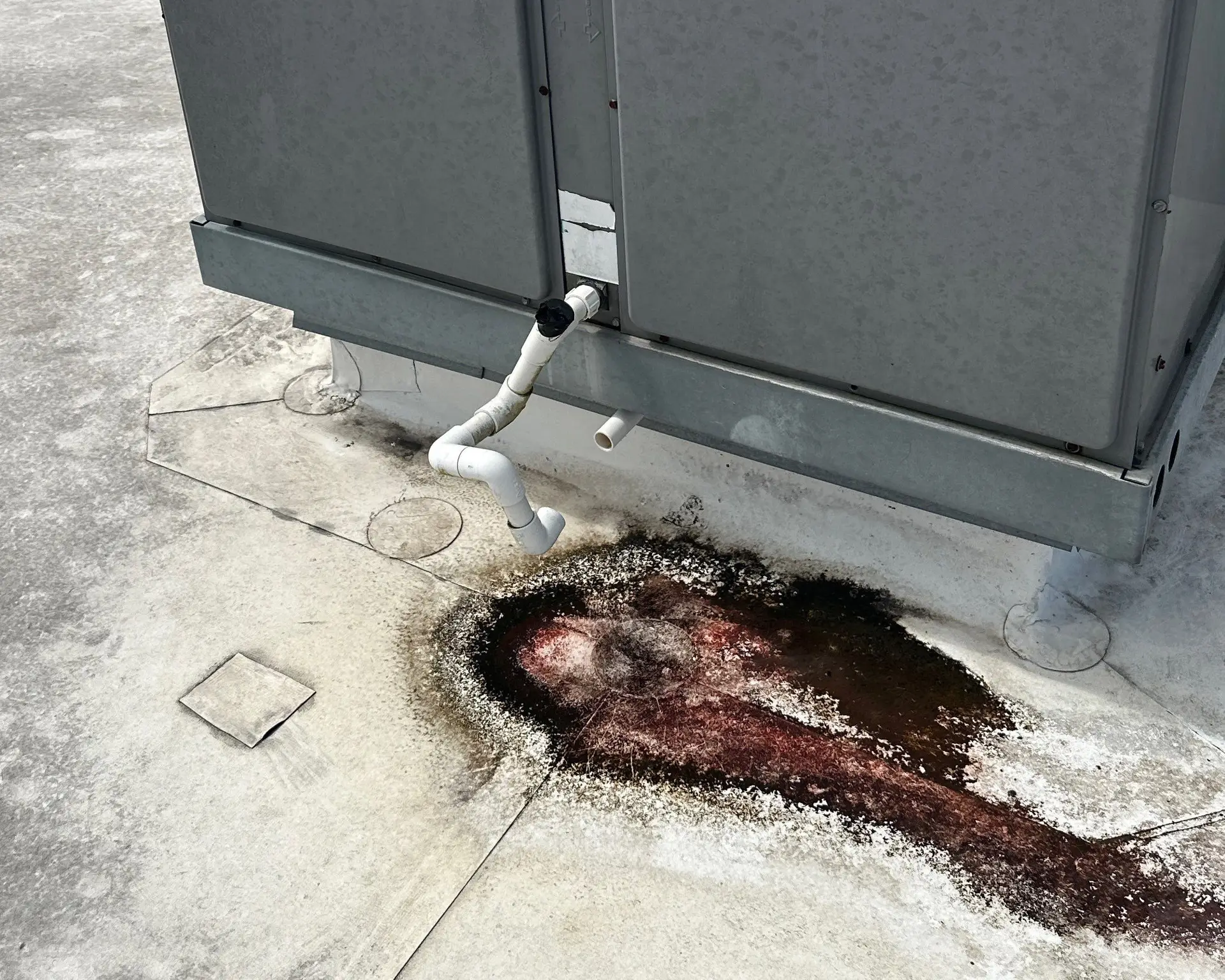
Commercial leaks don’t always show up directly below the failure. Water can travel laterally under the membrane and through insulation, then surface inside at the lowest interior point—sometimes far from the entry. That’s why our Commercial Roof Inspection McAllen approach focuses on pattern logic: we match drainage paths, details, and interior leak notes (when available) to confirm likely entry zones.
If the first explanation doesn’t fit the evidence, we re-check. That can include re-walking high-risk details, verifying drain conditions, and inspecting wall transitions. This “verify before you conclude” process is how property owners avoid paying for repairs that don’t solve the real problem.
Roof Types
Commercial Roof Types We Inspect in McAllen
A Commercial Roof Inspection McAllen should adapt to the system you actually have. Different roof types have different failure modes, and inspection priorities change based on membrane material, attachment method, and building design.
- TPO / PVC (single-ply): seam weld quality, terminations, punctures, shrinkage, fastener stress points
- Modified bitumen (Mod-Bit): lap cracking, granule loss, split flashings, bleed-out, cap sheet wear
- Built-up roofing (BUR): blistering, alligatoring, surfacing wear, gravel displacement, localized soft spots
- Metal roofing: fastener back-out, panel movement, oxidation, closure strip failures, end-lap sealing
- Coatings: thin spots, adhesion failures, peeling, UV chalking, ponding-related breakdown
A good inspection report identifies system type, documents current performance, and calls out risk zones specific to that system.
Standards + Research
Best Practices We Reference (NRCA + Manufacturer Guidance)
We align recommendations with recognized industry best practices from the National Roofing Contractors Association (NRCA) and manufacturer guidance where applicable, including resources from Owens Corning Roofing. This helps ensure inspection-driven recommendations match how the roofing system is designed to function.
That doesn’t mean we blindly follow a checklist. It means we cross-check our conclusions against proven standards when a decision impacts warranty compliance, long-term performance, or scope (repair vs replacement).
Climate Expertise
RGV Climate Factors That Change Inspection Priorities
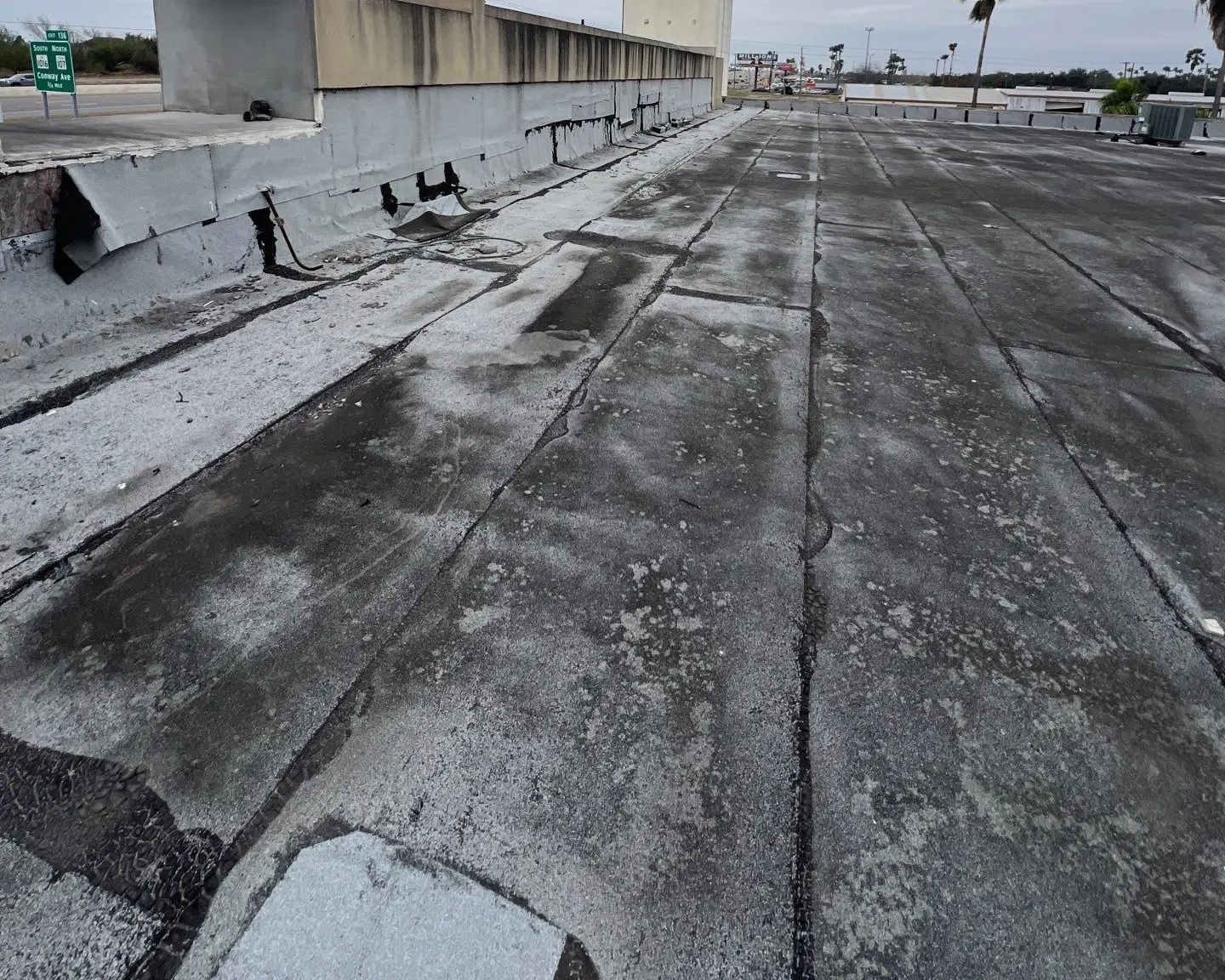
McAllen roofs are exposed to intense sun and heat, humidity, and seasonal storm events. Those factors change how we inspect. Heat drives expansion and contraction cycles that stress seams, fasteners, and flashings. Humidity increases the risk of trapped moisture in insulation. Storms can damage edges, rooftop accessories, and flashing details even when the field membrane looks fine.
- Thermal cycling: seam fatigue, fastener movement, flashing stress
- UV exposure: membrane aging, coating breakdown, surface brittleness
- Humidity: moisture retention, insulation saturation risk, hidden deterioration
- Wind-driven rain: edge/termination vulnerabilities and wall transitions
- Storm debris: punctures and mechanical damage near HVAC service paths
A climate-aware Commercial Roof Inspection McAllen spends more time on perimeters, transitions, drains, and traffic zones because that’s where issues show up first.
Water + Heat
Drainage Matters More on Flat Roofs (Especially Here)
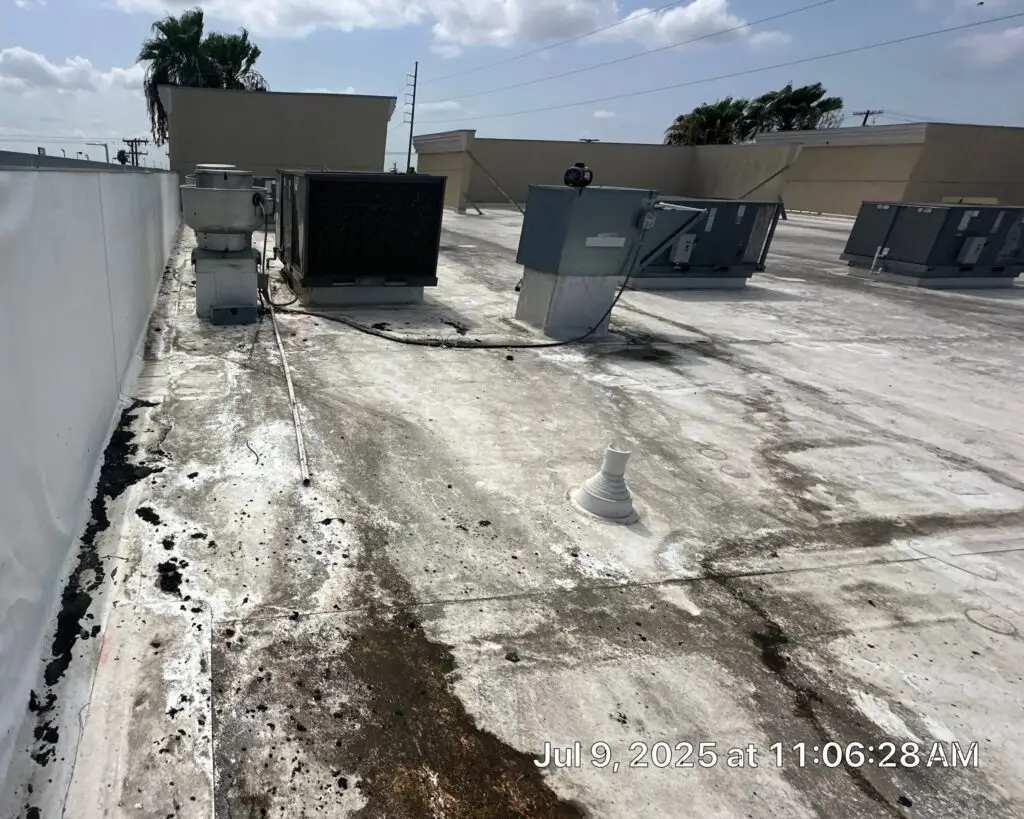
Flat roofs aren’t meant to “hold water.” If ponding persists, heat accelerates deterioration. Ponding also reveals slope issues, insulation compression, clogged drains, or scupper restrictions. We document ponding zones with wide photos, drain context, and notes on likely causes.
Methodology
Our Step-by-Step Commercial Roof Inspection McAllen Methodology
A consistent inspection process creates consistent results. Here’s how we structure a Commercial Roof Inspection McAllen so findings are repeatable and actionable:
- Pre-inspection intake: roof age (if known), leak history, prior repairs, interior leak map (if available)
- Perimeter evaluation: parapets, coping, edge metal, downspouts, wall lines, staining patterns
- Field membrane review: surface wear, punctures, traffic paths, wrinkles, shrinkage indicators
- Seams/laps validation: weld continuity or lap cracking; failure patterns vs isolated spots
- Penetration inspection: HVAC curbs, boots, vents, conduit, skylights; terminations and seal integrity
- Drainage performance: drains/scuppers, ponding zones, low points, debris points, overflow paths
- Documentation and next steps: photo sets, findings list, priority actions, repair vs replacement indicators
If a finding doesn’t match the leak behavior or roof geometry, we re-check transitions and drain paths. That’s the difference between guessing and diagnosing.
High-Risk Zones
Where Commercial Roofs Fail Most Often
Many failures start at details. We spend extra time where risk concentrates:
- Drains and scuppers: clogs, cracks, poor tie-ins, weak termination zones
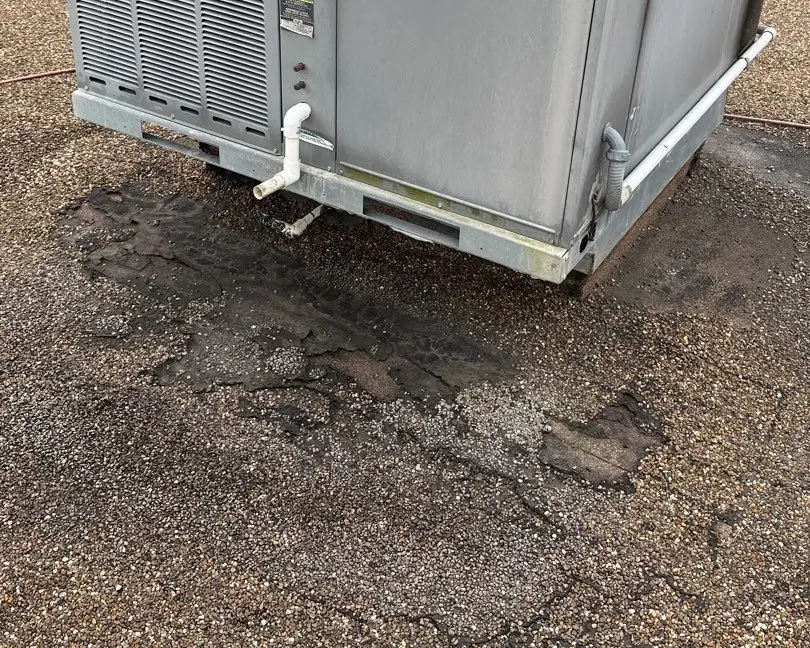
- HVAC curbs: movement, failed counterflashing, sealant breakdown, curb height issues
- Parapets: coping joints, wall transitions, termination bars, corner stress points
- Edges: uplift exposure, fastener back-out, edge metal separation
- Traffic paths: punctures, abrasion near service routes and equipment clusters
Water Paths
Drainage, Ponding Water, and Water Path Mapping
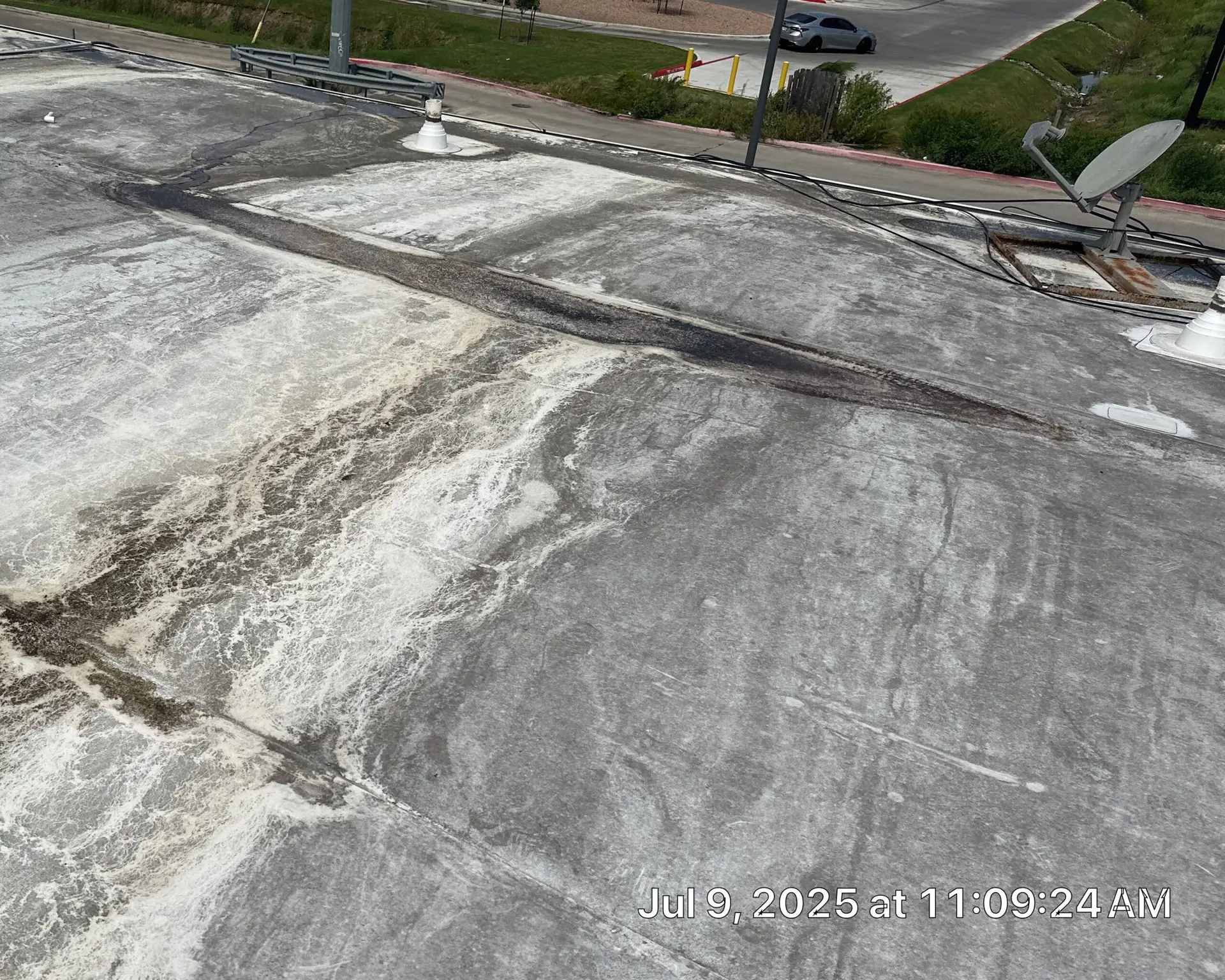
In a Commercial Roof Inspection McAllen, drainage is never “just a drain.” It’s a system: slope, low points, drain bowls, scuppers, overflow paths, and the roof’s ability to evacuate water without chronic standing. We document where water is likely traveling and where it is collecting.
We look for:
- Debris accumulation at drains/scuppers
- Waterlines, algae patterns, and sediment as ponding evidence
- Compression around drains from insulation settlement
- Improper drain tie-ins or cracked drain bowls
- Overflow points that suggest “backup drainage” reliance
When drainage is off, roofs age faster. Correcting water management issues early can extend roof service life significantly.
Documentation
How Drainage Findings Should Be Documented
Good reporting includes wide photos that show context and low points, plus close-ups of drains, scuppers, and debris conditions. We also note whether ponding appears localized (potentially repairable) or systemic (potential slope/insulation issues).
| Drainage Observation | What It Often Indicates |
|---|---|
| Ponding around a single drain | Clog/restriction, drain bowl issue, localized insulation compression |
| Ponding across multiple zones | Systemic slope issues, insulation settlement, design limitations |
| Waterlines on parapets/walls | Overflow behavior, chronic ponding, drainage path failure |
Details
Seams, Flashing, and Penetration Details That Decide Performance
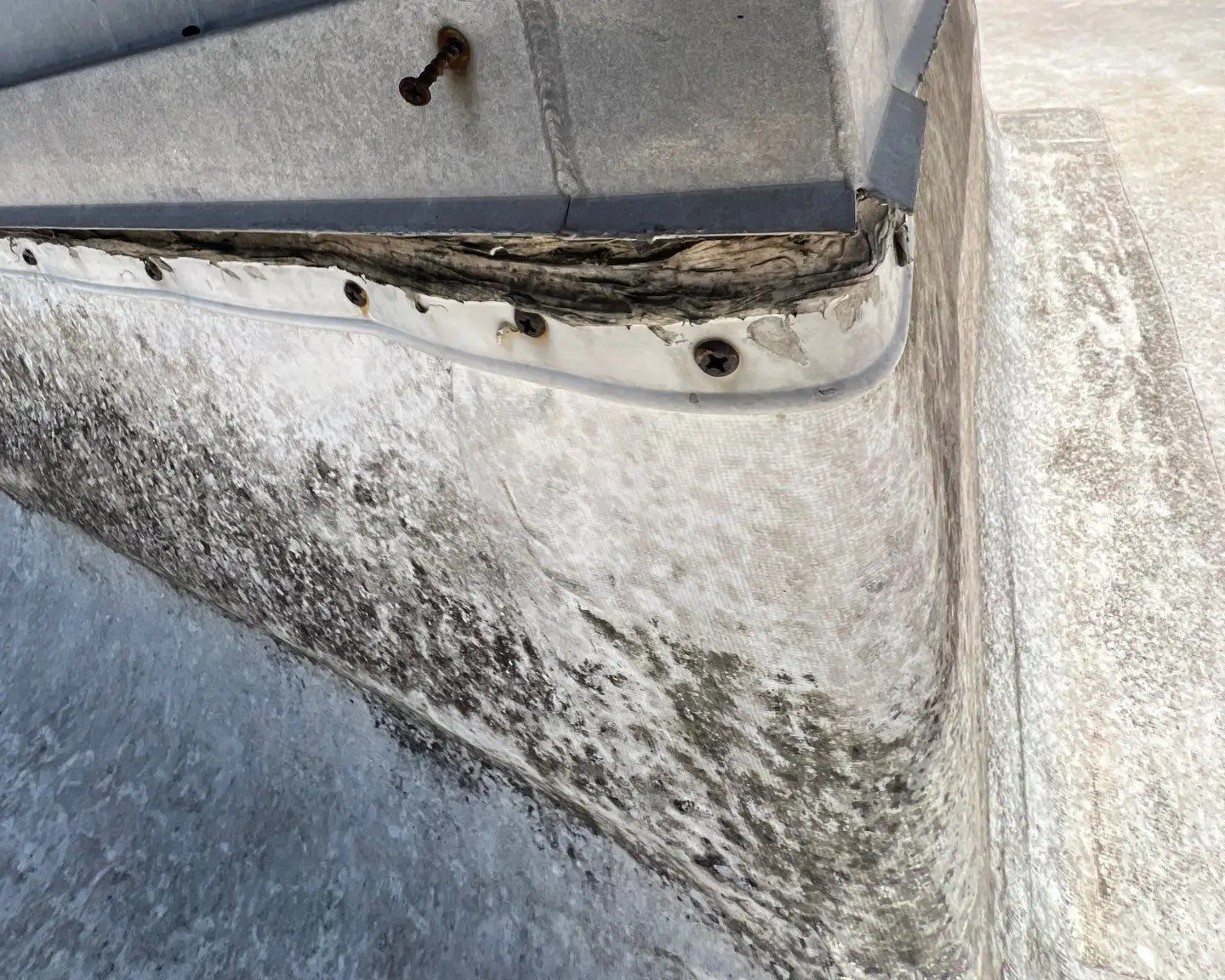
Seams and flashings are where commercial roofs win or lose. A Commercial Roof Inspection McAllen should verify seam integrity and termination stability, because failures here allow water entry even when the field membrane looks “fine.”
- Single-ply seams: weld continuity, edge lifting, voids, and stress points
- Mod-bit laps: cracking, splitting, blistering at laps and transitions
- Wall terminations: termination bars, counterflashing integrity, sealant failure patterns
- Penetrations: boots, curbs, pitch pans, and movement gaps
We also evaluate whether previous repairs addressed root cause or simply “covered” an area.
Common Mistakes
Why Repairs Fail (and What Inspections Should Catch)
Many recurring leak calls happen because a repair treated the symptom instead of the cause. For example: sealant was added, but the detail was moving; a patch was installed, but drainage still ponded water against the patch edge.
This is why an evidence-based Commercial Roof Inspection McAllen is the first step before choosing repair scope.
Hidden Moisture
How We Look for Hidden Moisture and Insulation Saturation
One of the biggest reasons property owners schedule a Commercial Roof Inspection McAllen is to confirm whether issues are isolated or widespread. That depends heavily on insulation condition. Wet insulation loses performance, raises HVAC load, and accelerates deterioration.
Signs that can indicate hidden moisture include:
- Soft spots underfoot or unusual deflection
- Blistering, wrinkling, or surface irregularities
- Recurring leaks in multiple areas
- Staining patterns that don’t align with visible rooftop defects
When needed, the inspection process may recommend additional verification steps (based on roof type and access) so the conclusion is accurate—not assumed.
Owner Value
Why Moisture Findings Change Your Next Step
If moisture is localized, the roof may be a strong candidate for targeted repair. If moisture appears widespread or system-wide, replacement planning may be more financially responsible than repeating repairs that don’t stop the underlying degradation.
That’s where internal decision pages matter:
- Commercial Roof Repair McAllen (localized fixes, seam/flashing, drainage corrections)
- Commercial Roof Replacement McAllen (system-level solutions, insulation, long-term performance)
- Commercial Roofing McAllen (pillar overview of services and systems)
Deliverables
Documentation Standards and Deliverables
A Commercial Roof Inspection McAllen should produce documentation you can actually use for decisions, budgeting, tenant communication, and (when applicable) insurance conversations. “Looks fine” is not a deliverable. Photos and specific notes are.
- Photo set: wide context + close-up defect photos with locations
- Condition summary: what’s performing, what’s failing, and why
- Priority list: urgent items vs maintenance items vs monitor
- Recommended next steps: repair scope or replacement indicators
- Drainage notes: ponding zones, debris, and flow restrictions
Decision Clarity
Repair vs Replace: Inspection-Based Decision Framework
A strong Commercial Roof Inspection McAllen should not automatically “sell replacement.” Many roofs only need targeted repairs or maintenance. Replacement becomes appropriate when the system is failing broadly, when insulation is saturated across large areas, or when repair frequency increases without solving recurrence.
| Inspection Finding | Likely Best Next Step |
|---|---|
| Localized seam separation, flashing failure, or drain restriction | Targeted repair: Commercial Roof Repair |
| Recurring leaks across multiple zones, repeated patch history | System-level repair plan + drainage corrections + monitoring |
| Widespread membrane fatigue, saturated insulation, large-scale deterioration | Replacement planning: Commercial Roof Replacement McAllen |
Insurance-Aware
Insurance Awareness After Storm Events (McAllen Property Owners)
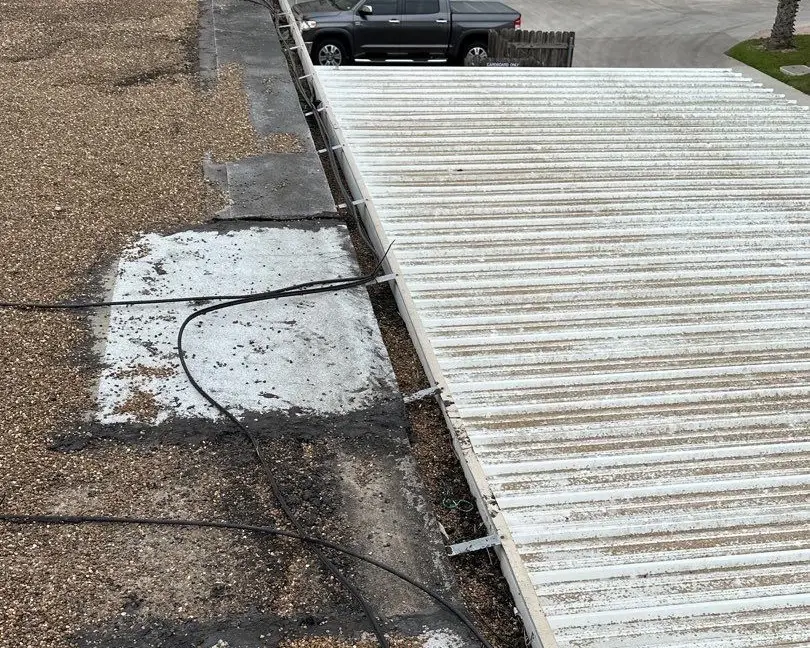
After major storms, scheduling a Commercial Roof Inspection McAllen quickly helps document conditions while evidence is fresh. If you’re evaluating whether to file a claim, it helps to understand consumer guidance from the Texas Department of Insurance (TDI).
Our focus is documentation and clarity: photo evidence, locations, and a condition summary that helps reduce misunderstandings about what is storm-related versus what is normal aging or prior wear.
Accuracy
How We Stay Accurate (Double-Check Before We Conclude)
We treat inspections like diagnostics. If an interior leak pattern doesn’t match a rooftop defect, we don’t “force” a conclusion. We re-check water paths, parapet transitions, and penetration zones and document the most likely entry points based on evidence.
When guidelines apply, we cross-check with recognized industry practices (NRCA) and manufacturer requirements so recommendations align with long-term performance.
Maintenance
Inspection-Based Maintenance Plans That Extend Roof Life
A recurring Commercial Roof Inspection McAllen schedule is often the best way to extend roof life and reduce emergency calls. Inspections identify small issues early—drain restrictions, flashing movement, seam fatigue—before they evolve into interior damage.
A simple maintenance plan commonly includes:
- Drain/scupper clearing and debris control
- Targeted seam and flashing corrections
- Penetration reinforcement for high-movement zones
- Documentation updates after storms and repairs
- Priority-based budget planning (urgent vs monitor)
This approach keeps you in control instead of reacting when leaks become urgent.
Planning
What Property Owners Get Out of Routine Inspections
Inspections provide a clear “current condition” snapshot and a roadmap. That helps with:
- Budget planning and capex timing
- Tenant communication and risk reduction
- Vendor accountability (proof-based decisions)
- Long-term roof life extension
Commercial Roof Inspection McAllen: FAQs
How often should a commercial roof be inspected in McAllen?
Most properties benefit from at least one annual inspection, plus a post-storm inspection after significant weather. Roofs with frequent HVAC service traffic often benefit from more frequent Commercial Roof Inspection McAllen visits because foot traffic increases puncture and detail stress risk.
What should I expect in a commercial roof inspection report?
Expect photos (wide + close-up), specific locations, a condition summary, drainage notes, and a prioritized action list. The report should clearly separate urgent fixes, maintenance items, and “monitor” items.
Can inspections prevent replacement?
Yes. Early corrections—especially to drainage and flashing—can extend service life. The purpose of a Commercial Roof Inspection McAllen is to catch issues while they’re still small enough to handle with targeted repairs.
When does an inspection lead to repair vs replacement?
Localized defects often point to repair. Widespread deterioration, recurring leaks across multiple zones, and evidence of insulation saturation are common replacement indicators. Your inspection should explain the “why” and connect you to the right next step: Commercial Roof Repair McAllen or Commercial Roof Replacement McAllen.
CTA + Contact
Schedule Your Commercial Roof Inspection McAllen
If you own or manage a retail building, warehouse, office, church, or multi-tenant property, a professional Commercial Roof Inspection McAllen gives you the clarity needed to protect your building and plan the right next step.
7207 E Curry Rd, Edinburg, TX 78542
Phone: (956) 217-9989 • Email: info@marvaroofing.com
Serving McAllen and the Rio Grande Valley