
Residential-First Roof Underlayment Replacement for McAllen, Mission, Edinburg, Donna, Pharr & the Rio Grande Valley
Roof Underlayment Replacement McAllen TX
If a roof keeps leaking even though the visible surface still looks serviceable, the real problem may be the waterproofing layer beneath it. Marva Roofing helps homeowners diagnose failing roof underlayment under tile, shingles, and aging roof systems so the next decision is based on the hidden cause of the leak, not just the surface symptom.
- Veteran-Owned
- Family-Owned
- 0% Money Down Financing Options
- Google Guarantee Messaging
- Inspection-First Guidance
Clear answers before you commit to an underlayment replacement
We built this page for homeowners comparing recurring leaks, aging tile roofs, hidden waterproofing failure, repair-vs-replacement timing, and what it really means to rebuild the roof beneath the visible material.
- Why underlayment matters so much
- Tile roof leak symptoms vs underlayment symptoms
- Inspection and controlled tear-off guidance
- Repair vs partial vs full replacement decisions
- Decking, flashing, valley, and transition planning
Start with facts, not pressure
Schedule Your Free Inspection
Before you assume a roof needs a full replacement—or keep paying for another leak repair—we inspect the roof, the leak pattern, the surface material, the attic clues, and the likely condition of the underlayment so you can make a clear decision.
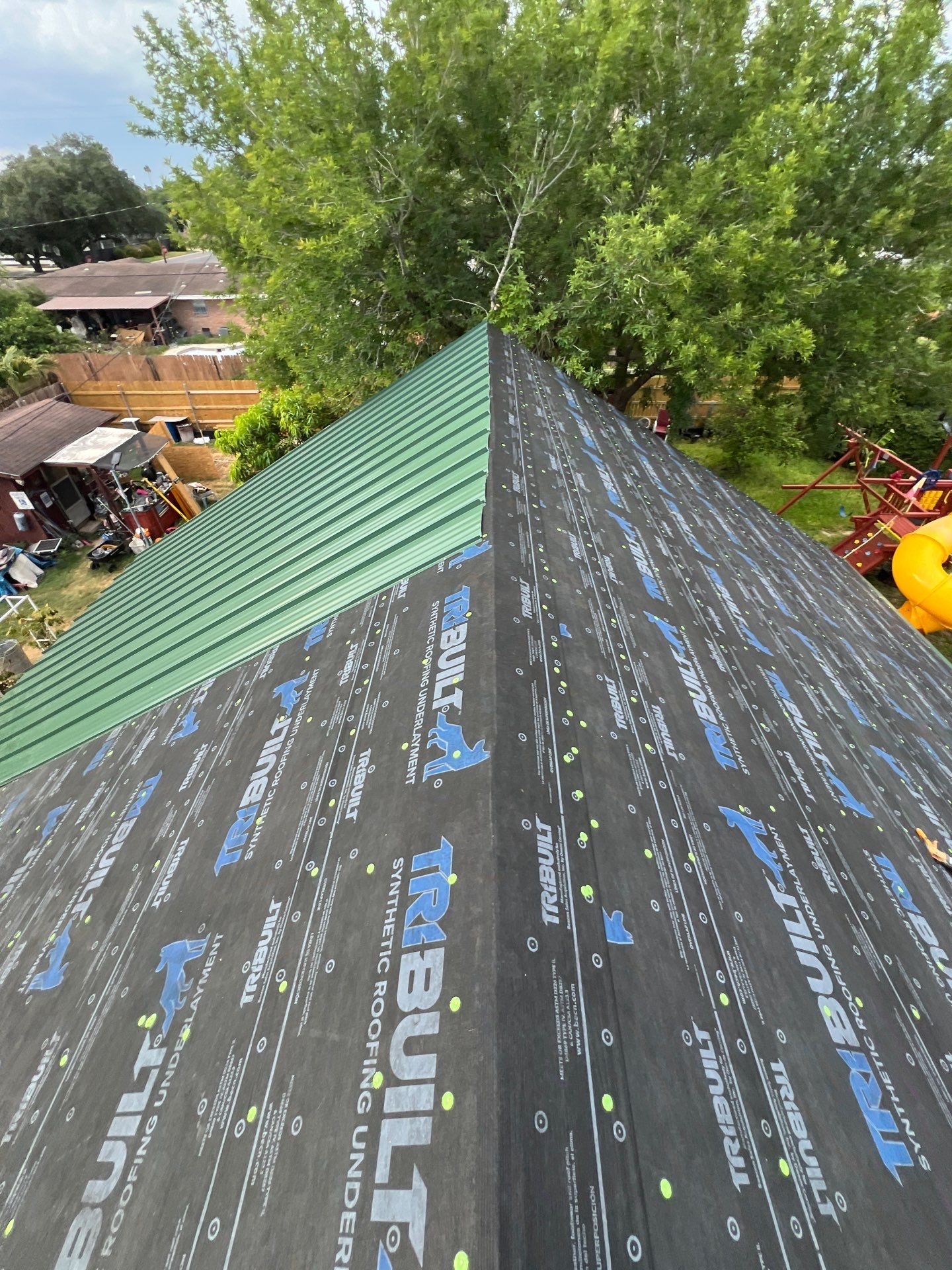
Roof underlayment replacement guide
Many roof leak problems are really hidden waterproofing problems
Roof Underlayment Replacement McAllen is not just a minor accessory conversation. In many homes—especially tile homes—the underlayment is the real waterproofing layer that decides whether the roof keeps water out when the surface above it shifts, ages, cracks, or lets water travel below. That is why underlayment failure often changes a leak conversation from “patch the surface” to “rebuild the real protective layer.”
At Marva Roofing, we help homeowners sort through that decision with documented inspections, controlled evaluation, and realistic repair-vs-replacement guidance. Whether you are dealing with a tile roof that looks decent but keeps leaking, a roof that has had multiple leak repairs, or a system where underlayment and decking may both be part of the problem, this page is designed to help you make a smart decision with less guesswork.
You will also find links throughout this page to deeper resources on Tile Roofing McAllen, Tile Roof Replacement McAllen, Tile Roof Repair McAllen, Roof Leak Repair McAllen, Roof Replacement McAllen, and Roof Decking Repair McAllen so this pillar page can guide visitors into the right next step.
Table of contents
Jump to the section you need
Why underlayment matters
The visible roofing material is not always the layer that is actually failing
Homeowners often assume the visible roof surface must be the leak source. Sometimes that is true. But on many aging roofs—especially tile roofs—the visible material is only one part of the story. The waterproofing layer beneath it is often what actually decides whether water makes it into the home.
That is why underlayment matters so much. It helps manage the water that gets past the outer layer, it works together with flashing and valleys, and it becomes especially important when tiles crack, shift, or stop shedding water the way they once did. If the underlayment has dried out, torn, or aged past its useful life, leaks can keep returning even when the surface repairs seem logical.
In other words, replacing a few visible components does not always fix the problem when the hidden waterproofing layer is the real issue.
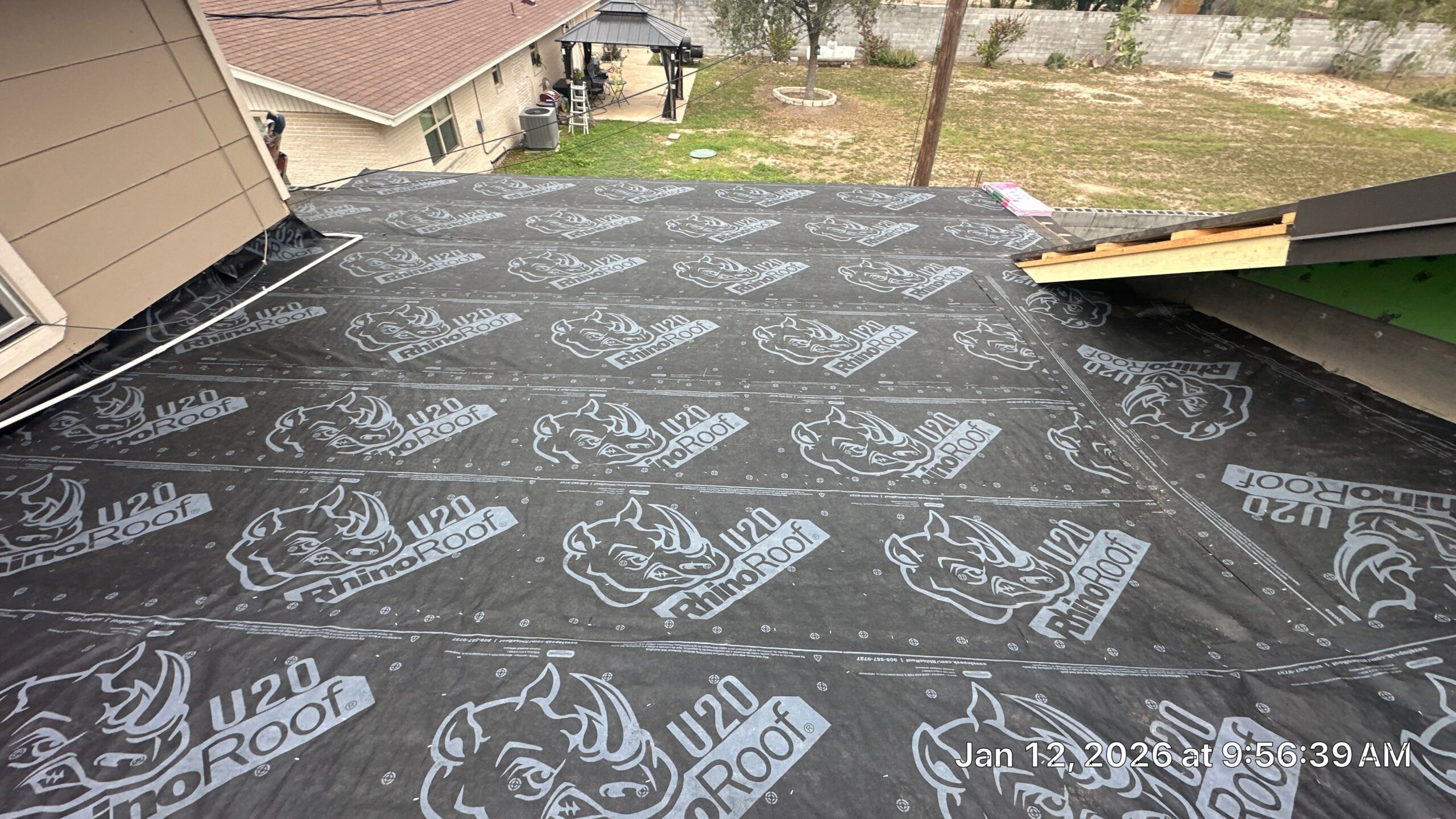
Tile-specific context
Why tile roofs often fail underneath before they “look” failed from the street
Tile can stay visible longer than the waterproofing layer
Many tile roofs still look respectable from the ground even after the underlayment beneath them has begun failing at valleys, penetrations, walls, or broad sections.
Repeated leak repairs can miss the real problem
When leaks keep returning, the smarter question becomes whether the tile itself is the problem or whether the waterproofing layer underneath is aging out.
Tile replacement and underlayment replacement are closely linked
Many tile replacement projects are really driven by underlayment deterioration, not just broken tiles. That is why this page feeds directly into Tile Roof Replacement McAllen.
Leak evidence often shows up before total failure
Stains, isolated drips, repeated valley leaks, or moisture near penetrations can all be early signs that the hidden layer deserves more attention.
Common warning signs
Signs your roof may need underlayment replacement
Recurring leaks after previous repairs
If the same area keeps leaking after tile, flashing, or surface work, the hidden waterproofing layer may be the real issue.
Older tile roofs with intact-looking tiles
Some roofs still look decent from the street while the protective layer beneath them is aging out.
Leaks at valleys, walls, and penetrations
These are detail-heavy areas where failing underlayment and flashing often change the scope of the project.
Multiple isolated leak locations
When the leaks start showing up in more than one area, broader system deterioration becomes more likely.
Evidence of water travel below the surface
Interior stains and attic clues can point to water getting beneath the visible roof layer and moving along hidden paths.
Soft or weakened areas discovered during repair
Once materials are lifted, hidden issues with the underlayment or decking may immediately expand the scope.
If you are seeing any of the signs above, start with Roof Inspection McAllen or Roof Leak Repair McAllen instead of assuming the visible roof surface is the whole problem.
Where failure starts
Underlayment problems usually begin at details, not in the easiest part of the roof
- Valleys where water volume is concentrated
- Roof-to-wall transitions
- Chimneys, skylights, and vent penetrations
- Eaves and roof edges where water backs up or overflows
- Low-slope transition areas and slow-draining sections
- Storm-damaged zones where surface materials shifted
That is why underlayment replacement is rarely just a material swap. The project usually includes a deeper look at valleys, flashings, terminations, penetrations, roof edges, and how the whole assembly handles water.
When those areas are weak, it can also push the project toward roof decking repair, fascia and soffit repair, or a broader roof replacement plan.
Inspection / diagnostic process
What Marva Roofing looks at during an underlayment evaluation
Leak-pattern review
We look at where water is showing up, how often it is recurring, and whether the symptoms suggest isolated surface trouble or deeper assembly failure.
Surface condition review
Tiles, shingles, flashing details, ridges, valleys, and transitions all help us understand what may be happening below.
Attic and moisture clues
Interior stains, attic dampness, and deck-side symptoms can reveal where water is traveling after it gets below the surface.
Controlled lift / evaluation
Where appropriate, the affected section may need controlled removal so the underlayment condition can be evaluated directly.
Decking and detail review
If the underlayment has been failing for a while, the decking and detail areas may also need attention.
Clear recommendation
We explain whether the roof needs targeted repair, section-level underlayment replacement, or a broader replacement strategy.
Underlayment replacement process
How a properly planned underlayment project should move
Inspection and scope definition
The first step is understanding whether the problem is localized, section-wide, or broad enough to change the roof replacement conversation.
Careful surface removal
Tile or other roofing materials are lifted or removed carefully so the hidden layers can be evaluated without creating avoidable damage.
Deck and detail review
The deck, flashings, valleys, penetrations, and transition areas are checked before new waterproofing goes in.
New underlayment installation
The failing waterproofing layer is replaced and the surrounding details are rebuilt so the system handles water better than before.
Surface reinstallation or replacement
The roofing material above is reinstalled or replaced depending on condition, compatibility, and project scope.
Final walkthrough
You get a clear explanation of what was replaced, what supporting details were corrected, and what the smarter long-term plan looks like.
Decision friction is normal
Not sure whether you need leak repair, underlayment work, or full roof replacement?
That is exactly why inspection comes first. We help you compare the remaining life of the current roof against the long-term value of rebuilding the hidden waterproofing layer correctly.
Repair vs replacement decision guide
When localized repair makes sense and when broader replacement becomes smarter
Repair often makes sense when…
- The problem is isolated and clearly documented
- The surrounding underlayment still has meaningful service life
- The deck and major details are still fundamentally sound
- Matching materials and clean corrective work are possible
Section-level underlayment replacement becomes smarter when…
- Leaks are concentrated in one broader assembly area
- Valleys or transition zones have aged out
- Tile above the section is still reusable but the waterproofing layer is not
- You want to solve the actual cause rather than repeat another surface patch
Full replacement becomes smarter when…
- Underlayment deterioration is widespread
- The roof is leaking in multiple areas
- Decking issues are also part of the project
- The economics of repeated repair no longer make sense
The right answer is not always “replace the whole roof,” but it is also not always “patch it again.” The recommendation should follow the real condition of the hidden waterproofing layer.
When decking joins the conversation
Underlayment failure and decking damage often travel together
If a roof has been taking on water for long enough, the project may move beyond underlayment alone. Soft decking, rot, deteriorated fastener hold, or hidden structural weakness can all show up once the roof is opened.
That is why homeowners researching underlayment replacement should also review Roof Decking Repair / Rotten Decking Replacement McAllen. In real projects, the waterproofing layer and the deck beneath it are often part of the same decision, not separate decisions.
- Long-term leak exposure can weaken decking
- Valley and edge leaks often reveal hidden rot
- Deck corrections should happen before new underlayment goes down
- Ignoring the deck undermines the value of the new waterproofing layer
Cost / scope / long-term value
What actually drives underlayment replacement cost in McAllen
Trying to price underlayment replacement by square footage alone is one of the quickest ways to misunderstand the project. The real scope depends on roof type, how much of the surface material has to be removed and reinstalled, deck condition, flashing complexity, valleys, penetrations, access, and whether the work is localized or broad enough to overlap with full replacement.
Main cost drivers
- Tile vs shingle vs other roof systems
- How much material must be lifted or removed
- Valley, wall, chimney, and penetration detail work
- Decking condition beneath the old system
- Access, slope, and roof complexity
Where long-term value shows up
- Solving the true waterproofing failure instead of repeating leak patches
- Protecting or extending life where the surface material is still reusable
- Rebuilding valleys and flashings correctly
- Making the next repair-or-replacement decision clearer
For broader budget planning, pair this page with Roof Replacement Cost McAllen and Roof Replacement Warranty McAllen.
Why choose Marva Roofing
Local underlayment guidance built around clarity, details, and accountability
Local RGV experience
South Texas roofs age under heat, storm exposure, and repeated wet-dry cycles. We plan around how those conditions affect the hidden waterproofing layer.
Family-owned and veteran-owned
Our brand is built around straight answers, accountability, and doing the job right.
Inspection-first recommendations
We do not assume every leak needs a full roof. We inspect, document, and explain whether localized repair, underlayment work, or full replacement is the smarter move.
Strong fit with tile and leak work
Because underlayment failure often sits behind tile roof problems and recurring leaks, this page fits directly into your tile and leak-repair silo.
Want to vet us before you call? Visit our About page, browse the project gallery, read customer reviews, or check current financing options.
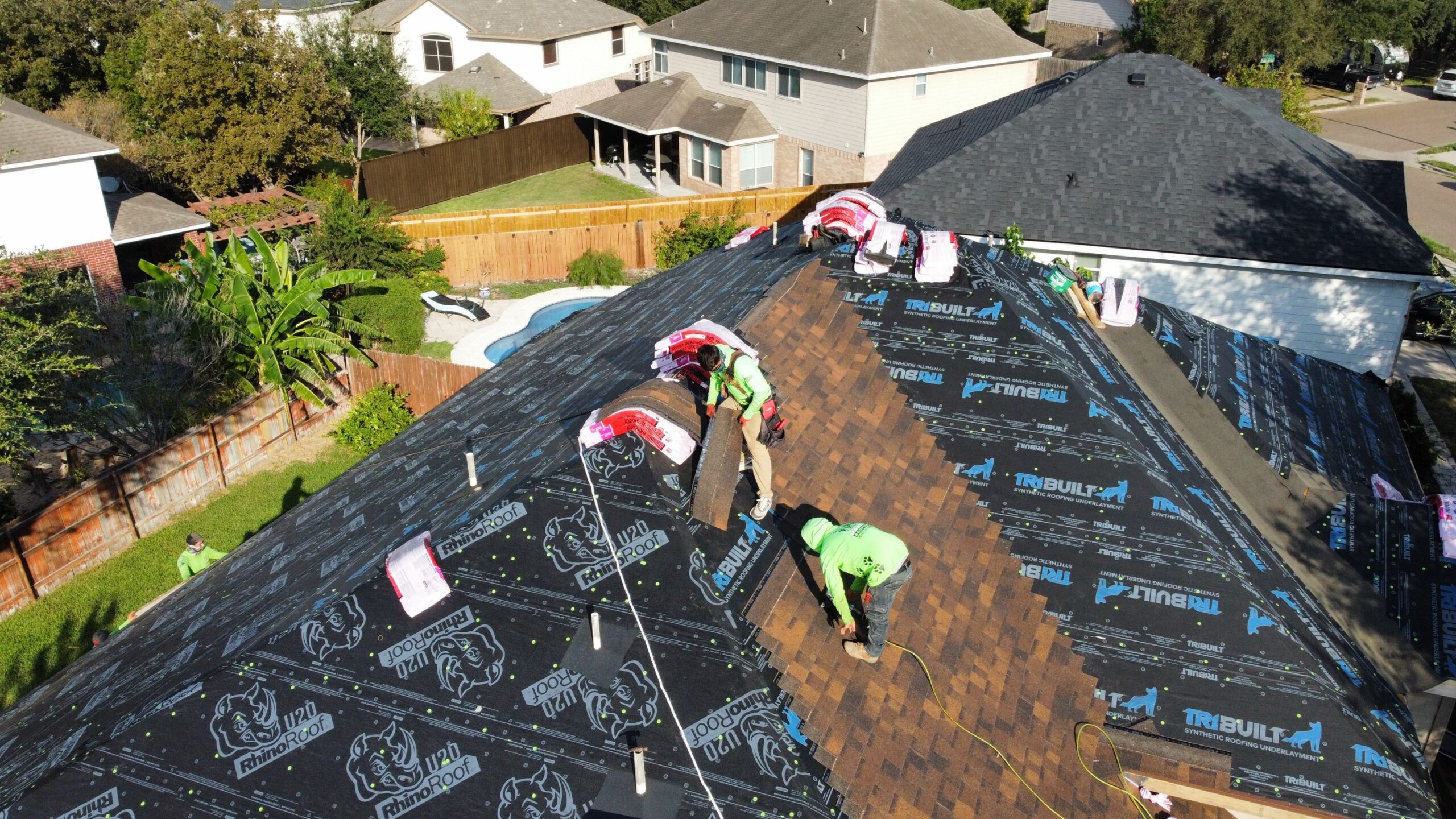
Roof underlayment replacement service areas
Serving McAllen and nearby RGV communities
McAllen
Our main underlayment pillar is built around McAllen homeowners comparing recurring leak repair, tile roof waterproofing, and hidden roof-system failure.
Mission
Mission homeowners often use this page when leak problems keep returning and the visible surface no longer explains the whole story.
Edinburg
Edinburg homeowners use this page to compare leak repair against underlayment replacement and broader roof replacement planning.
Pharr
Pharr homeowners looking at tile roof leaks, aging waterproofing layers, or hidden roof damage can use this page as the starting point before inspection.
Donna
Donna remains part of Marva Roofing’s broader Rio Grande Valley service coverage, and homeowners there can request the same inspection-first guidance used across the region.
Internal link hub / resource center
Keep exploring the underlayment and leak-repair cluster
Compare & plan
Inspect & protect
Nearby city support
Trust & next steps
Frequently asked questions
Roof underlayment replacement FAQs for McAllen homeowners
What is roof underlayment and why does it matter?
Roof underlayment is the waterproofing layer beneath the visible roofing material. It matters because many leaks start after the surface material ages, shifts, or lets water reach the layer below.
Can a tile roof need underlayment replacement even if the tiles still look okay?
Yes. On many tile roofs, the tile field may still look serviceable while the underlayment beneath it has aged, dried out, torn, or failed at details such as valleys, walls, and penetrations.
How do I know if underlayment failure is causing the leak?
Recurring leaks, leaks after previous repairs, stains near valleys or penetrations, and older tile roofs with otherwise intact-looking tiles are all reasons to inspect the underlayment instead of assuming the visible surface is the only problem.
Does underlayment replacement require removing the roof covering?
Usually yes. To replace underlayment correctly, the roofing material above it often has to be lifted or removed so the deck, flashings, and waterproofing layer can be inspected and rebuilt properly.
Can roof underlayment be replaced in one section instead of the entire roof?
Sometimes. If the problem is isolated and the surrounding roof assembly still has meaningful life, a section repair may make sense. If underlayment deterioration is widespread, broader replacement becomes the better long-term move.
What affects roof underlayment replacement cost in McAllen?
Main factors include roof type, access, pitch, how much roofing material must be removed and reinstalled, deck condition, flashing detail, valley complexity, and whether the work is localized or part of a larger roof replacement.
Your next step
Schedule Your Free Inspection
If you are comparing roof underlayment replacement in McAllen, Mission, Edinburg, Donna, or Pharr, start with a professional inspection and a clear recommendation. We will help you understand whether your best next move is leak repair, section-level underlayment work, or a broader roof replacement strategy.
Marva Roofing | info@marvaroofing.com | Serving McAllen, Mission, Edinburg, Donna, Pharr & the Rio Grande Valley